


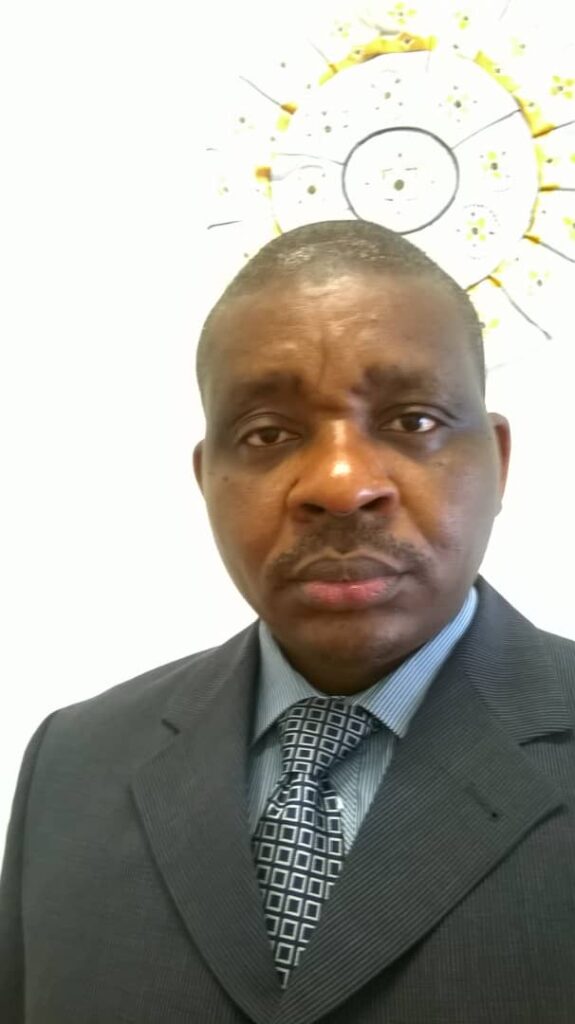
For more than four years, a Nigerian Journalist and an Author, Sunday Oyinloye has consistently spoken out against the growing menace of girls being killed for money rituals in his country. Since launching his campaign in January 2022, Oyinloye who is the Publisher of Green Savannah Diplomatic Cable has used his media platform to advocate for justice, public enlightenment, and the protection of human life. In this interview, he shares what inspired the campaign, the progress made so far, the book he is writing on ritual killing of girls and why every Nigerian has a role to play in ending the scourge.
Excerpts:
You have been campaigning against the killing of girls for money rituals since 2022. What inspired this mission?
I was heartbroken by the frequent reports of young girls being murdered for ritual purposes. As a journalist, I believe our duty goes beyond reporting the news; we must also use our voices to promote positive change. I felt I could not remain silent while innocent lives were being cut short in such a cruel manner.
Why do you think this problem has become so widespread?
The major reason is the get-rich- quick mentality of our youth. Many young people have been misled into believing that wealth can come without hard work and that the quickest way to get wealth is through female body parts. Add unemployment, moral decline, and the celebration of questionable wealth, and you have a dangerous combination. As Nigerians, we must come together to change that mindset. When I started this campaign in 2022, the then Minister of Information, Lai Mohammed said government would do something about ritual killing of girls, but that never happened. The present administration is also not talking about it.
Looking back over the past four years, what impact has your campaign made?
The first thing I did was to produce a jingle against ritual killing of girls. The jingle which was originally in English was later translated into Nigeria’s three major languages, Yoruba, Hausa and Igbo, shared on social media and aired on radio stations. Since then, I have also produced about 80 video clips for my advocacy to end ritual killing of girls in the country. I have granted interviews and issued press releases on the need to end ritual killing. Nigerians are beginning to have conversation around it. More people are talking about it, and many now see ritual killings as a national emergency rather than isolated incidents.
What more should the media be doing?
The media must continue to expose criminals and educate the public. We should promote stories that celebrate hard work, integrity, and legitimate success. At the same time, we must avoid reporting that gives criminals unnecessary attention or makes crime appear attractive.
What is your message to Nigerian youths?
Stop killing our girls for money rituals. There is no substitute for hard work. Quick money often comes with painful consequences. I encourage young people to believe in education, entrepreneurship, and honest labour. Success may take time, but it is always more rewarding when it is earned legitimately.
What role should government and security agencies play?
They must ensure that those involved in ritual killings are arrested, prosecuted, and punished according to the law. Government should also tackle unemployment and expand opportunities for young people. Prevention is just as important as punishment.
Can families and religious leaders make a difference?
Absolutely, they can. Parents must teach their children good values from an early age, while religious and traditional leaders should continue to speak strongly against ritual killings and the obsession with illicit wealth. This is a fight that requires the involvement of everyone. All stakeholders should be involved.
What keeps you going despite the challenges?
My passion for humanity and my faith in God. Every life is valuable, and I believe no society can prosper if innocent people are being killed in the pursuit of wealth. As long as this problem exists, I will continue to speak out. A female Pastor friend in the Netherlands has been warning me about the danger of the campaign for about two years, but I am a man of faith. My life is in God’s hands.
We learnt that you are currently writing a book on ritual killings in Nigeria and how it affects other countries. Can you shed light on that?
Yes, that is correct. I am currently working on a book that examines the disturbing phenomenon of ritual killings in Nigeria from a broader perspective. The book explores the root causes of the crime, it’s devastating impact on victims, families, and communities, and the damage it does to Nigeria’s international image. It also looks at how reports of ritual killings influence the way other countries perceive Nigeria and Nigerians. My goal is to provide a well-researched resource that will educate readers, encourage informed discussions, and contribute to the search for lasting solutions to this tragic problem. I have been working on that book even before I started my second book which I have just released. In the coming months, the world will have the opportunity to read what I have been working on for years.
Are you also looking at strengthening the campaign?
Certainly. The campaign is entering a new phase. My plan is to build stronger partnerships with media organisations, civil society groups, educational institutions, religious bodies, and other stakeholders who share the vision of ending ritual killings. I also intend to engage more young people through public lectures, advocacy programmes, and digital media so that they understand the dangers of the quest for quick wealth. This is a cause that requires collective action, and I believe that by working together, we can save lives and help restore the values of hard work, dignity, and respect for human life in our society.
Finally, what is your hope for Nigeria?
I hope to see a country where every child and every young woman can live without fear of ritual killers, a nation where the youth will value hard work and a Nigeria where success is measured by integrity. My dream country is where the sanctity of human life is respected above material wealth. I believe we can achieve that, and the reason why I took it upon myself to lead the fight against killing of girls for money rituals in Nigeria. But I cannot win the fight alone. Every Nigerian and the government should join this campaign. However, I am optimistic that we shall win the war because darkness cannot overpower light; the dominion of light over darkness is unquestionable.