


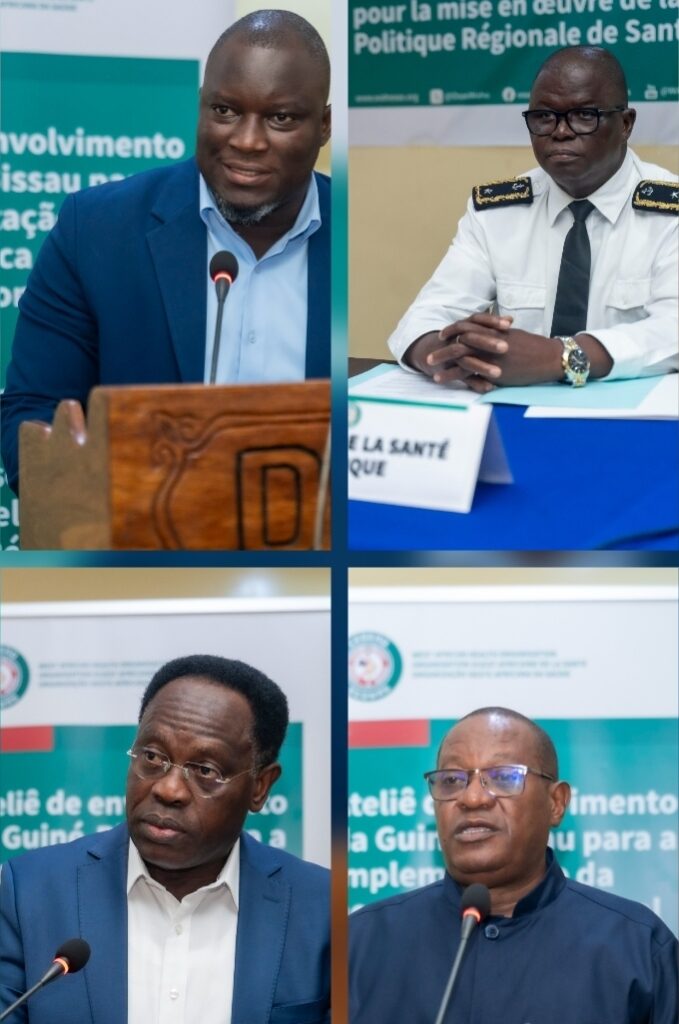
Guinea-Bissau has selected the Gabú and Oio regions as pilot areas for the implementation of the new ECOWAS Regional Community Health Policy (RCHP), marking a major step towards strengthening community-based healthcare delivery in the country.
The decision was reached at the National Engagement Workshop for the Implementation of the New ECOWAS Regional Community Health Policy, organised by the West African Health Organisation (WAHO) in collaboration with Guinea-Bissau’s Ministry of Public Health.
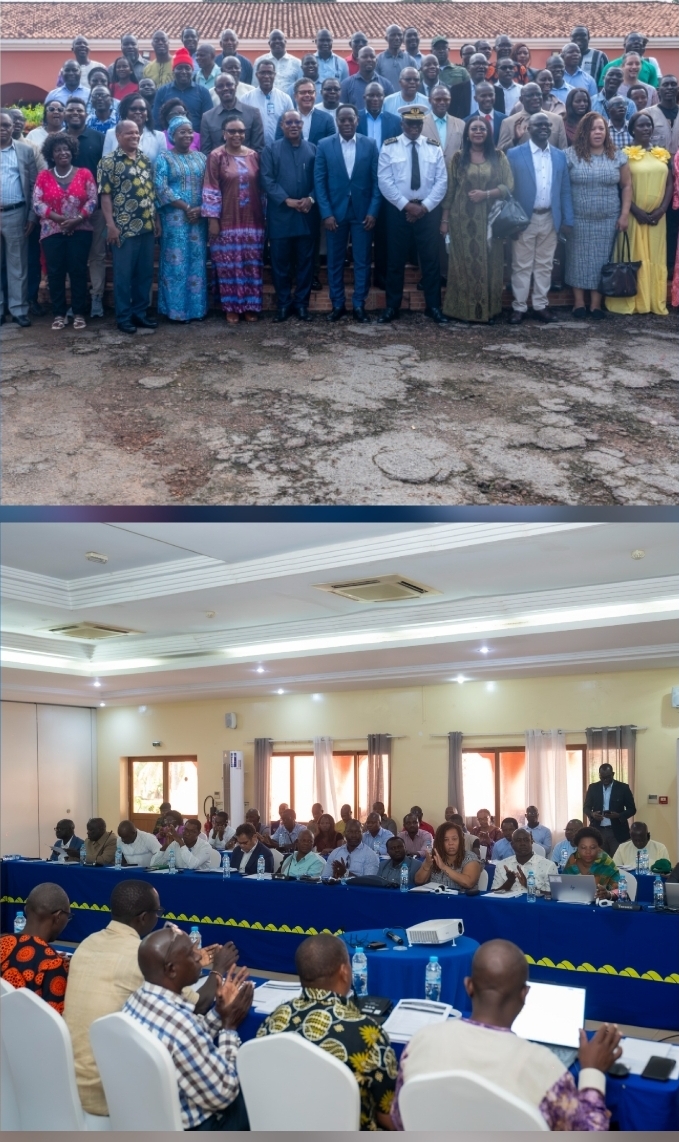
The three-day workshop, held in Bissau from 19 to 21 August 2026, brought together representatives of government ministries and agencies, national institutions, civil society and community-based organisations, research and training institutions, as well as technical and financial partners.
The meeting was designed to strengthen national ownership of the regional strategic and operational documents and establish the necessary framework for translating the Regional Community Health Policy into practical action in Guinea-Bissau.
In his welcome address, WAHO Liaison Officer in Guinea-Bissau, Dr Plácido Cardoso, stressed the importance of active engagement by national stakeholders and development partners in ensuring the successful implementation of the policy.
Speaking at the opening ceremony, WAHO Director General, Dr Melchior Athanase Joël C. Aïssi, described Guinea-Bissau’s role as significant, noting that the country was the first ECOWAS Member State to host an information and engagement mission for the implementation of the new Regional Community Health Policy.
According to him, Guinea-Bissau’s pioneering step could provide a model for other ECOWAS Member States as they prepare to operationalise the regional policy.
Dr Aïssi emphasised that the workshop should not be viewed merely as a forum for discussion, but as the beginning of concrete implementation of the policy.
He identified national ownership, multisectoral coordination and clearly defined responsibilities among stakeholders as critical to the success of the implementation process.
The WAHO Director General also reaffirmed the organisation’s readiness to provide technical support, guidance and facilitation, while stressing that the implementation process must ultimately be led by Guinea-Bissau.
In his keynote address, the Minister of Public Health, Commodore Dr Quinhin Nantote, reaffirmed the government’s commitment to implementing the Regional Community Health Policy, describing investment in community health as both a necessity and a national priority.
The Minister particularly highlighted the need to take healthcare services closer to vulnerable populations, especially communities living in remote and hard-to-reach areas.
He also underscored the strategic importance of Community Health Workers (CHWs) as a critical link between formal health systems and communities.
Dr Nantote advocated an approach anchored on equity, community participation and intersectoral collaboration, stressing that sustainable improvements in health outcomes require the active participation of communities alongside government authorities, health professionals, civil society organisations and development partners.
During the three-day workshop, participants examined key strategic and operational instruments supporting community health implementation across the ECOWAS region.
The sessions featured technical presentations, plenary discussions and group work covering the Regional Community Health Policy, its norms and principles, regional guidance documents and practical tools for Community Health Workers.
Participants also identified priority interventions and mapped out the responsibilities of relevant sectoral stakeholders. They further worked towards developing costed action plans for priority intervention areas.
Other issues considered included the regional community information system platform, establishment and strengthening of the national coordination mechanism, and the immediate steps required to operationalise the policy in Guinea-Bissau.
The selection of Gabú and Oio as pilot regions emerged as one of the key outcomes of the engagement, providing a concrete pathway for transitioning the policy from the regional framework to implementation at national and sub-national levels.
The pilot phase is expected to involve national and local authorities, communities and relevant sectors in strengthening community health structures and improving access to essential health services.
Through the initiative, WAHO reaffirmed its commitment to supporting Guinea-Bissau and other ECOWAS Member States in building stronger community health systems and ensuring that quality healthcare services are brought closer to the people, particularly those in underserved and hard-to-reach communities.
The development also reinforces the ECOWAS regional agenda of placing communities at the centre of health planning and delivery, with greater emphasis on coordination, local ownership and sustainable investment in primary and community healthcare.