By Aliyu Bala Gerengi, Gombe
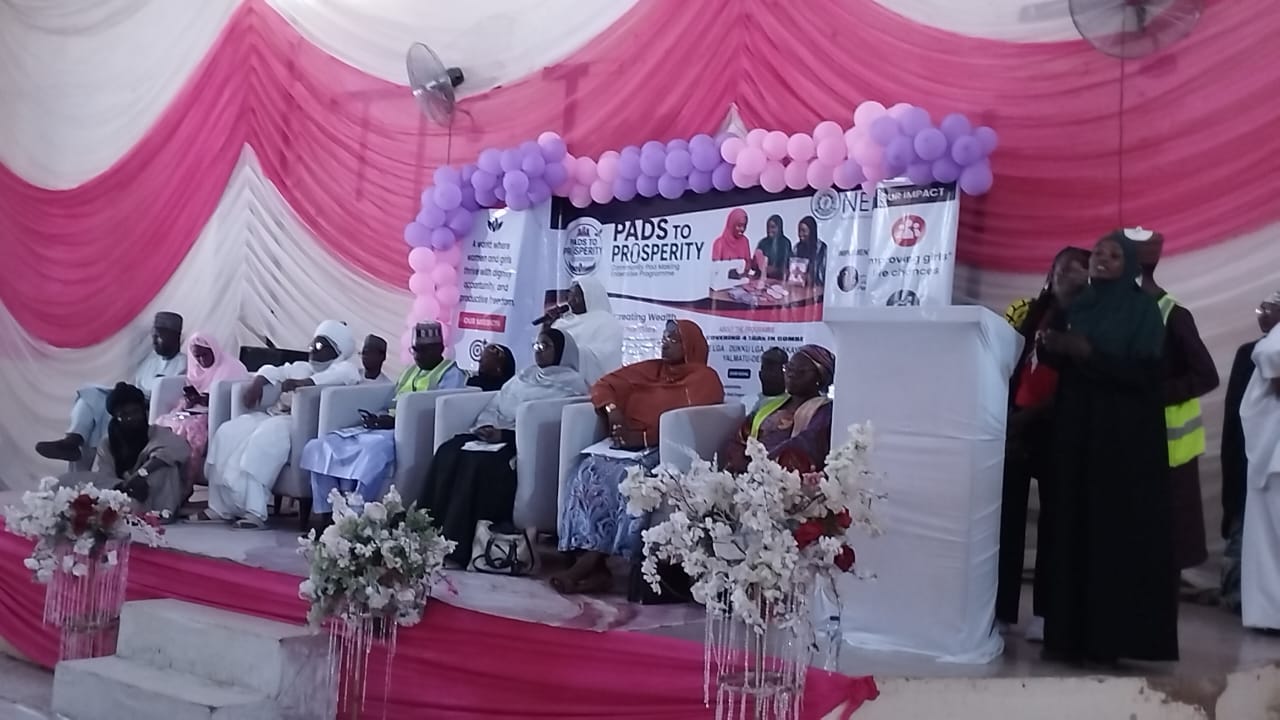
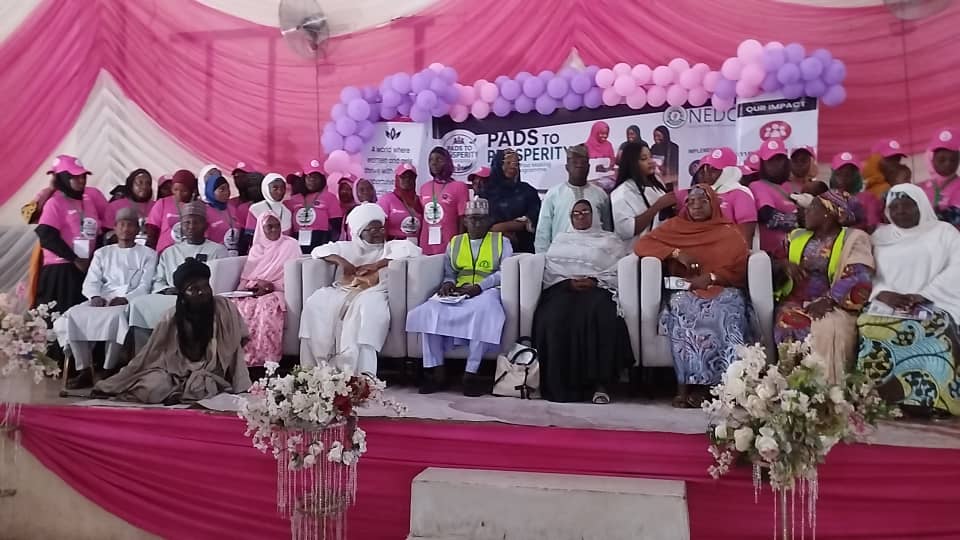
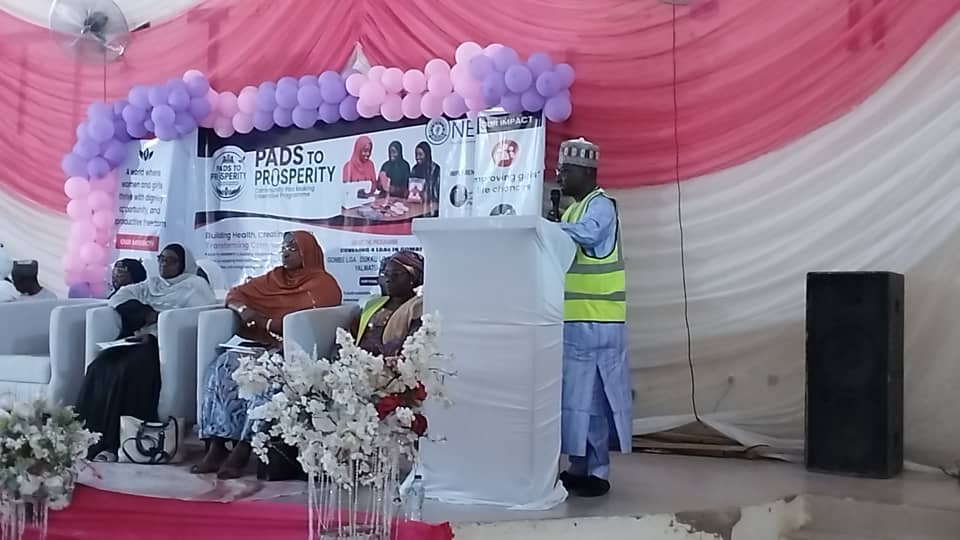
The North East Development Commission (NEDC) has officially launched the “Pads to Prosperity” Community Pad-Making Enterprise Programme Gombe State Pilot, aimed at promoting menstrual health, empowering women and girls, and creating sustainable community-based enterprises.
The programme, implemented by Virtuous Reusable Pads with Herbloom Technologies Africa as technical partner, is themed “From Skills to Sustainable Enterprise Building Health, Creating Wealth, Transforming Communities.”
The opening ceremony brought together representatives of NEDC, government institutions, development partners, civil society organisations, traditional leadership and other stakeholders.
Speaking at the event, the NEDC Gombe State Coordinator, Engr. Usman Muhammad, said the initiative aligns with the Commission’s commitment to supporting programmes that improve the wellbeing of people in the North-East while creating sustainable economic opportunities.
The programme featured an official opening address by Mallam Lawal Hamidu, NEDC Executive, while the keynote address was delivered by Dr. Constance, NEDC Executive, focuses on menstrual health, wealth creation and community transformation.
The CEO of Virtuous Reusable Pads, representing the implementing partner, delivered a welcome address titled “Beyond Pads: Unlocking Possibilities Through Pads to Prosperity,” highlighting the broader economic opportunities associated with local sanitary-pad production.
The programme also featured a presentation by the Programme Lead, Virtuous Reusable Pads, on the enterprise model, with emphasis on moving beneficiaries from skills acquisition to sustainable community enterprises.
As part of the quality assurance component, Mrs. Ruth Ugo, Technical Partner from Herbloom Technologies Africa, led the Quality Gate session and live demonstration on sanitary-pad production standards.
A special session on inclusion and menstrual dignity for girls with special needs was also held, while the AGILE strategic stakeholder delivered a session on girls’ education, dignity and empowerment, with emphasis on where menstrual health fits into girls’ education.
The event further featured an experience-sharing session involving the Gombe Network of Civil Society, followed by a stakeholder investment session led by Alhaji Rufai of NEDC, focusing on the transition from intervention to investment and the need for stakeholders to align with and support the programme.
Stakeholder Panels
The second phase of the ceremony featured a panel discussion moderated by Dr. Esther Ishaya, with representation from the National Orientation Agency (NOA) Hajiya Maimuna Abubakar, education Dr. Aishatu Umaru Maigari health Lawan Bala women affairs, Fatima Umar Abubakar Fulanin Gombe AGILE Dr. Amina Haruna Abdul and traditional leadership senior District head of Gombe
Another panel, moderated by Mr. Iriya Ishaya, brought together stakeholders from Gombe, Dukku, Funakaye and Yamaltu Deba Local Government Areas to discuss the transition from project implementation to local ownership and the development of sustainable community enterprises.
The organisers also presented a Strategic Showcase and Unveiling, involving NEDC executives and team members, the Programme Lead of Virtuous Reusable Pads and the Herbloom Technologies Africa team.
The session unveiled the architectural concept and floor plan for four community pad-making enterprise hubs.
The Lead Coordinator, Mr. Lass Batti Cornelius, supported by Miss Soki Aliabo and Mrs. Ruth Ugo, led a stakeholder engagement session highlighting the importance of collaboration in achieving sustainable results.
The ceremony culminated in the official launch and declaration of the Pads to Prosperity Pilot Programme by the NEDC Executive.
The programme also provided an opportunity for selected participants and stakeholders to share their perspectives on what prosperity means to them, before the event concluded with a vote of thanks, guided exhibition, quality assurance tour, media interviews and networking.
The organisers said the initiative is designed to move beyond the production of sanitary pads by creating a complete ecosystem that links skills acquisition, quality assurance, girls’ education, inclusion, local ownership, entrepreneurship, market access and sustainable enterprise development.
The Pads to Prosperity programme is therefore expected to contribute to improved menstrual hygiene, increased economic opportunities for women and girls, and the development of sustainable community enterprises in Gombe State.