


By Ogefila Bayo Adewale
Every morning, parents watch their children leave for school along Abuja highways, their hearts race each time those little ones have to cross a busy road. They have seen too many accidents, too many injuries and too many tragic losses. For them and thousands of others, a pedestrian bridge is not about politics. It is about whether their children will come home safely.
This is the quiet reality that the Renewed Hope Agenda is seeking to address along the Abuja–Zuba–Abaji corridor. The rehabilitation work taking place there is more than road construction. It is a practical response to the concerns of residents who have long faced the dangers of crossing busy highways. For communities along the corridor, the visible progress offers a measure of reassurance that their safety and daily convenience are receiving attention.
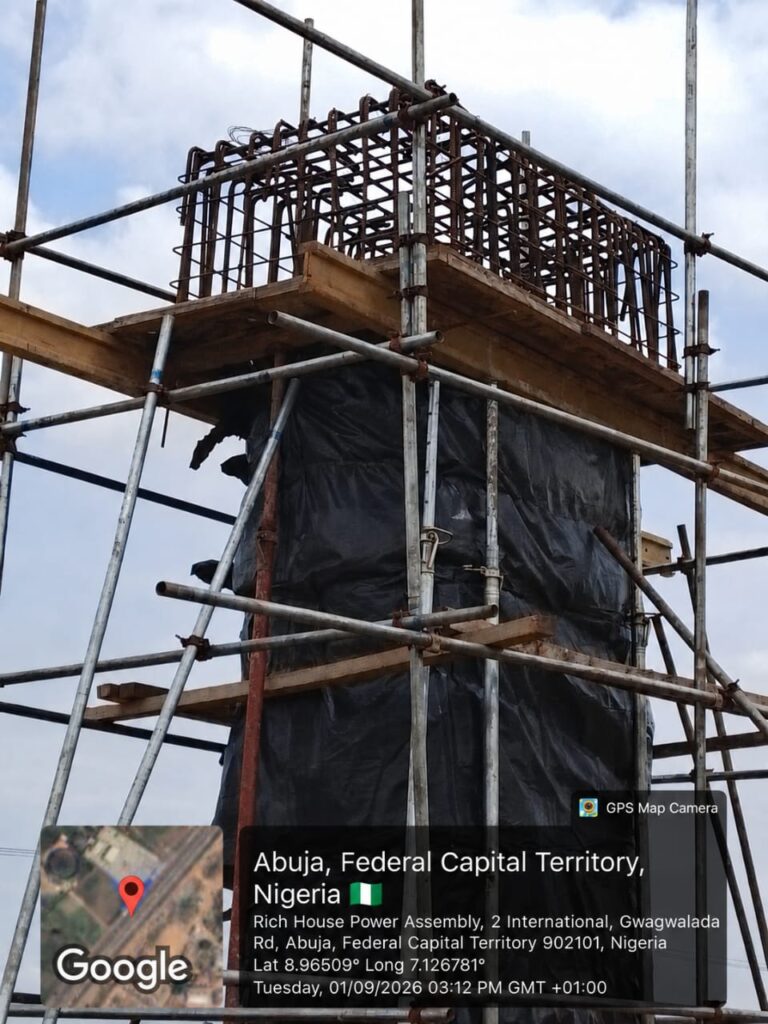
At CH 7+775 around Anagada Town, CH 17+825 around Gwakto, CH 25+225 around Bako and CH 37+400 around Kwali, pedestrian bridge projects are taking shape along the corridor. At these locations, work is progressing on the structures that will provide safer crossing points for residents and other road users. These are not merely figures on a project sheet; they represent an effort to reduce the risks residents face every day when crossing busy roads.
The Minister of Works, Senator Engr. David Nweze Umahi, deserves commendation for the inclusion of pedestrian bridges in the rehabilitation of the 18.2-kilometre Abuja–Zuba–Abaji road. The project, awarded to JRB Construction Nigeria Limited in February 2026, is showing visible progress at several locations.
Along the corridor are traders, civil servants, students, families and other road users whose daily movements bring them face-to-face with the dangers of busy highways. For them, the completion of these bridges will mean more than an improved road environment. It will mean a safer and more dignified way to move from one side of the road to the other.
A child should not have to gamble with his or her life simply to get to school. An elderly person should not have to depend on luck to cross a highway. A parent should be able to watch a child leave home without the added anxiety of a dangerous road crossing. This is where infrastructure meets the human side of governance.
Good infrastructure does not happen through political direction alone; it also requires people on the ground who monitor the work and ensure that progress is sustained. We therefore commend the FCT Controller of Works and the supervising officials for their vigilance and attention to the works along the corridor. The responsibility now is to sustain the momentum, ensure that the projects are completed to the expected standard and support similar interventions in other areas where they are needed.
The Renewed Hope Agenda must ultimately be measured by the difference it makes in the lives of ordinary Nigerians. These pedestrian bridges may look simple, but they carry a bigger message: that good governance is about making lives safer, journeys easier and communities better. When government intentions become projects that people can see, use and feel, Renewed Hope becomes more than a slogan; it becomes a reality.