


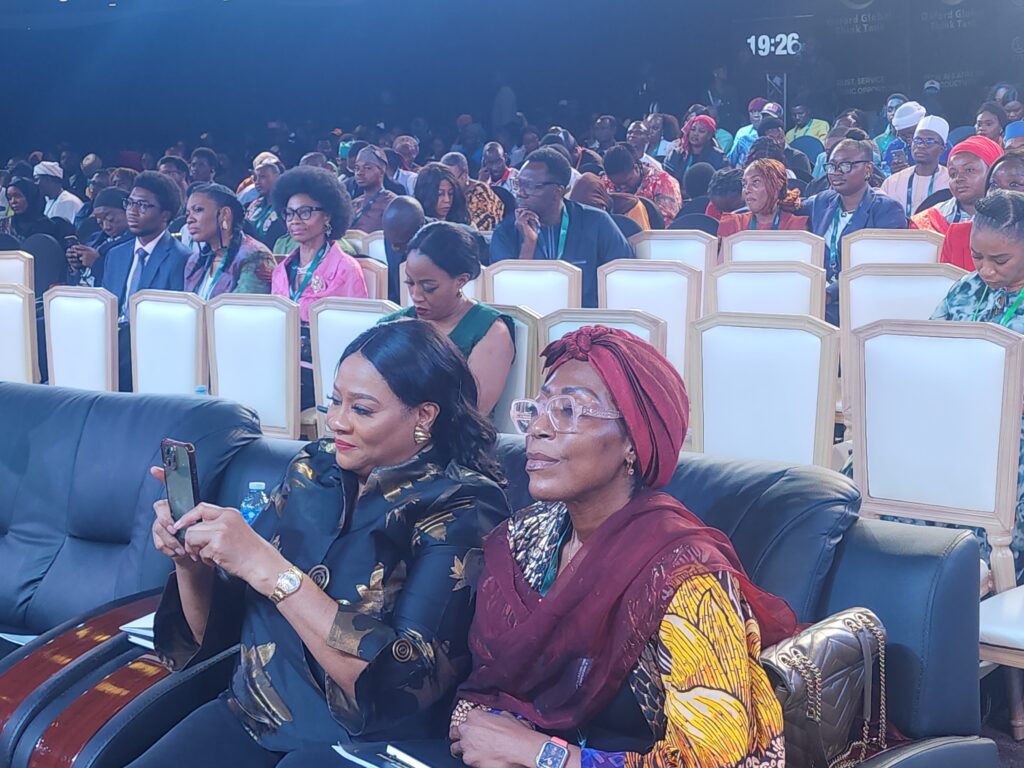
At the second Oxford Global Think Tank Leadership Conference in Abuja, African leaders, policymakers, financial experts and technology innovators confronted a fundamental question: What must change in leadership, institutions and economic priorities for Africa’s enormous potential to translate into prosperity for its people?
By Abdulrahman Aliagan, writes for Time Nigeria Magazine, Abuja
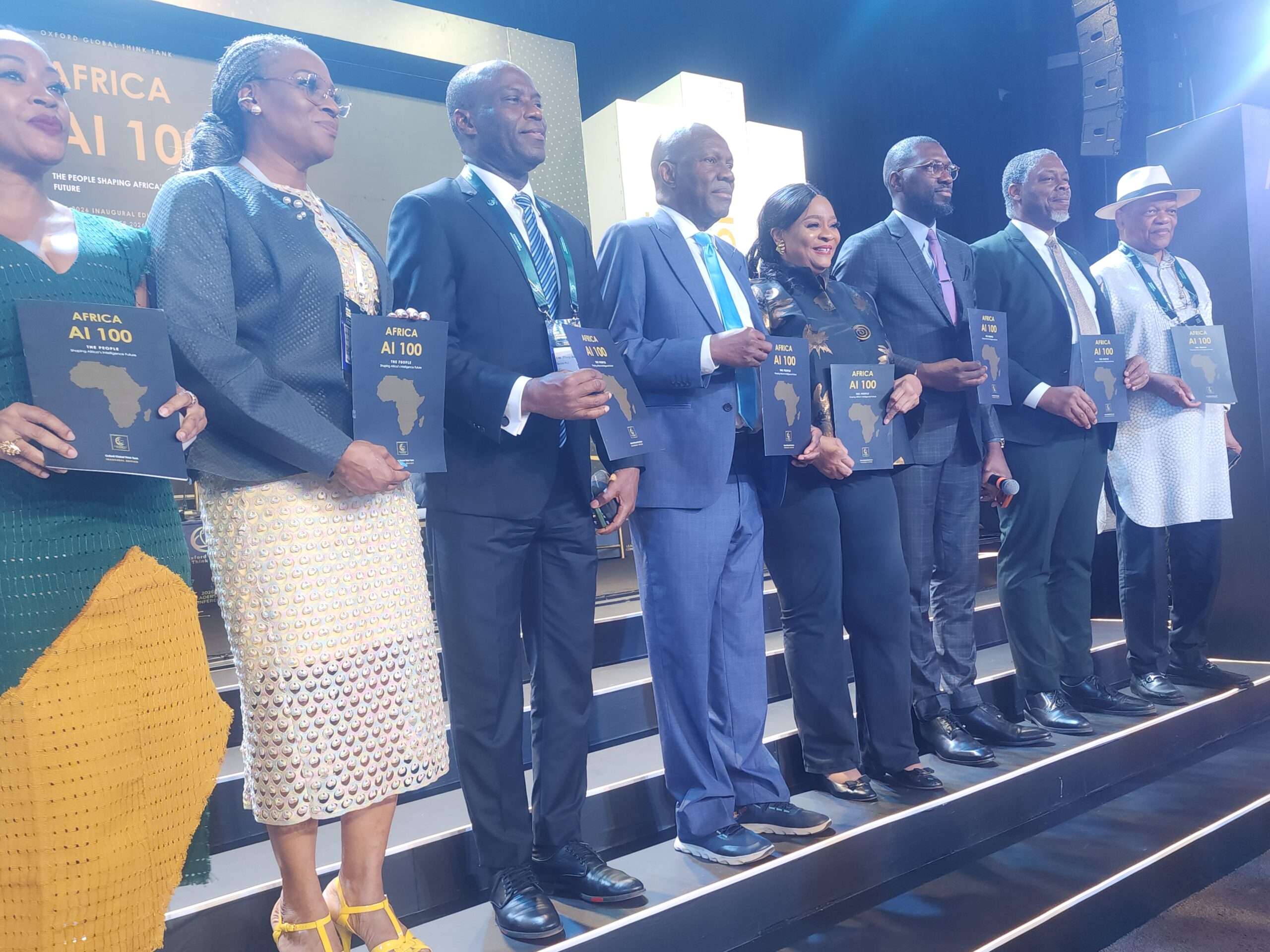
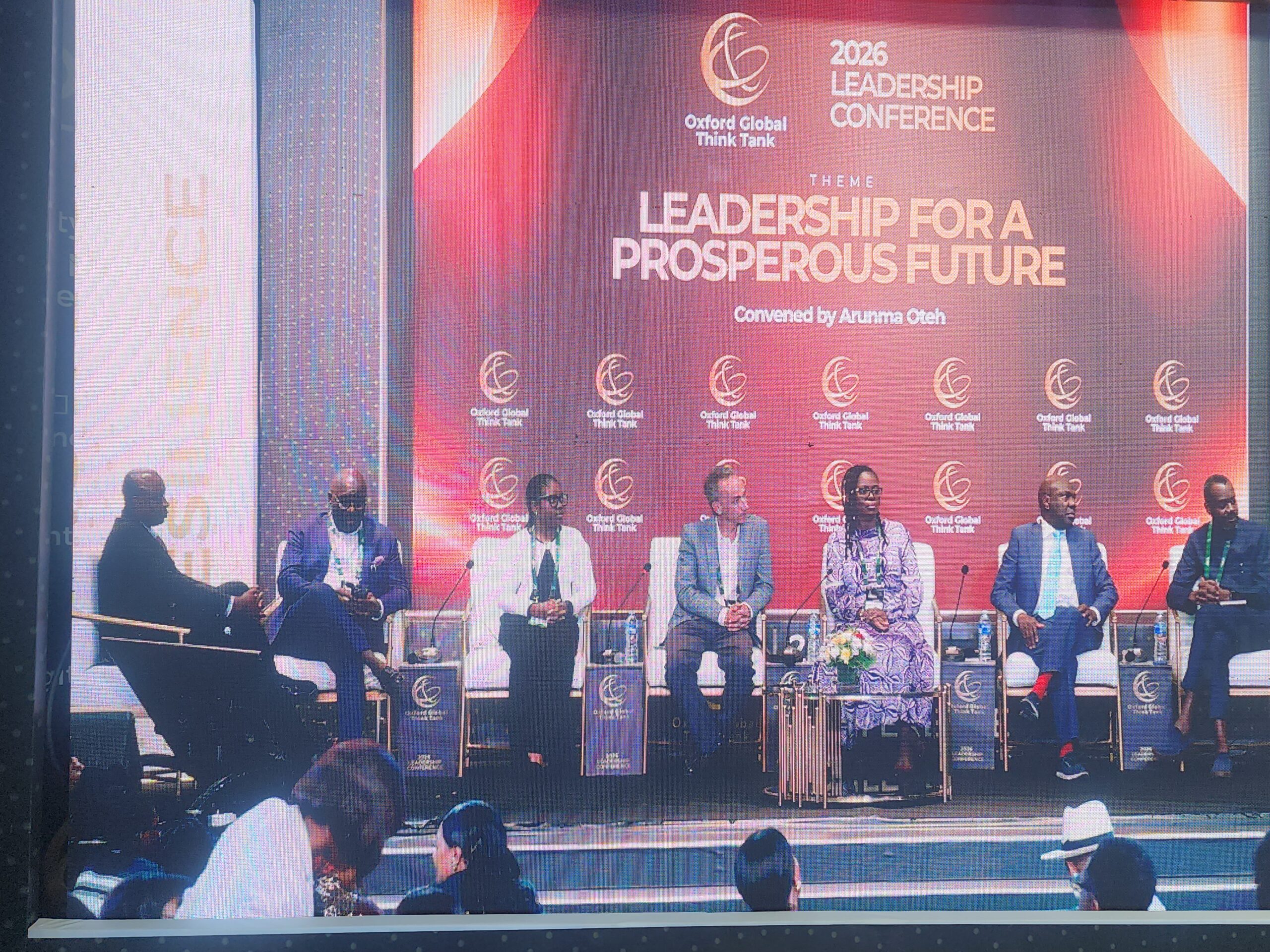
Section of Panelists in a group photograph with the Global Convener of the Leadership Conference, Professor. Arunma Oteh at Transcorp Hilton, Abuja.
On Tuesday, November 3, 2026, the Congress Hall of the Transcorp Hilton Hotel in Abuja became a meeting point for some of Africa’s most influential voices in governance, finance, business, technology and public policy.
The occasion was the second edition of the Oxford Global Think Tank (OGTT) Leadership Conference, convened by Professor Arunma Oteh, former Director-General of the Securities and Exchange Commission and former Vice-President and Treasurer of the World Bank.
Under the theme, “Leadership for a Prosperous Future,” the conference brought together an exceptional assembly of political leaders, economic thinkers, investors, public sector administrators, technology experts and young professionals to examine the leadership choices that will determine Africa’s economic and institutional future.
Former President of the African Development Bank, Dr Akinwumi Adesina, delivered the keynote address, while the Emir of Kano, Muhammadu Sanusi II, and businessman and founder of ANAP Foundation, Atedo Peterside, served as co-chairs.
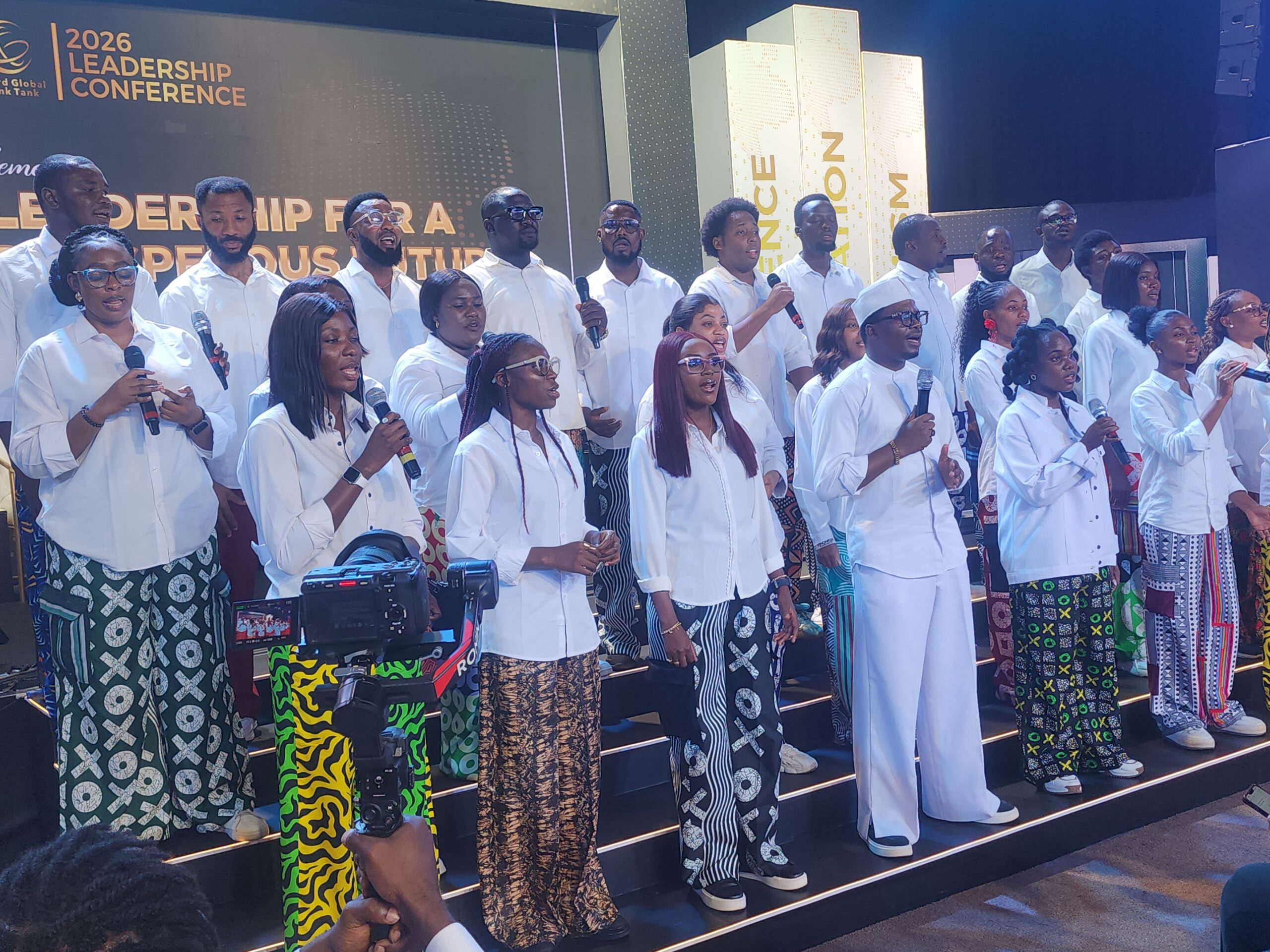
Performing Group in action to entertain Guests at the event.
Abia State Governor, Dr Alex Otti, delivered the public sector keynote address, while the Minister of Communications, Innovation and Digital Economy, Dr Bosun Tijani, contributed to discussions on technology and artificial intelligence.
Other prominent participants included senior government officials, financial sector leaders and business executives.
But beyond the impressive gathering of personalities, the conference was driven by a deeper concern: Africa has enormous human, natural and economic resources, yet continues to struggle with poverty, unemployment, weak institutions, inadequate infrastructure and limited productive capacity.
The central question was therefore not whether Africa possesses the potential for prosperity, but whether its leaders and institutions have the vision, discipline and capacity to unlock it.
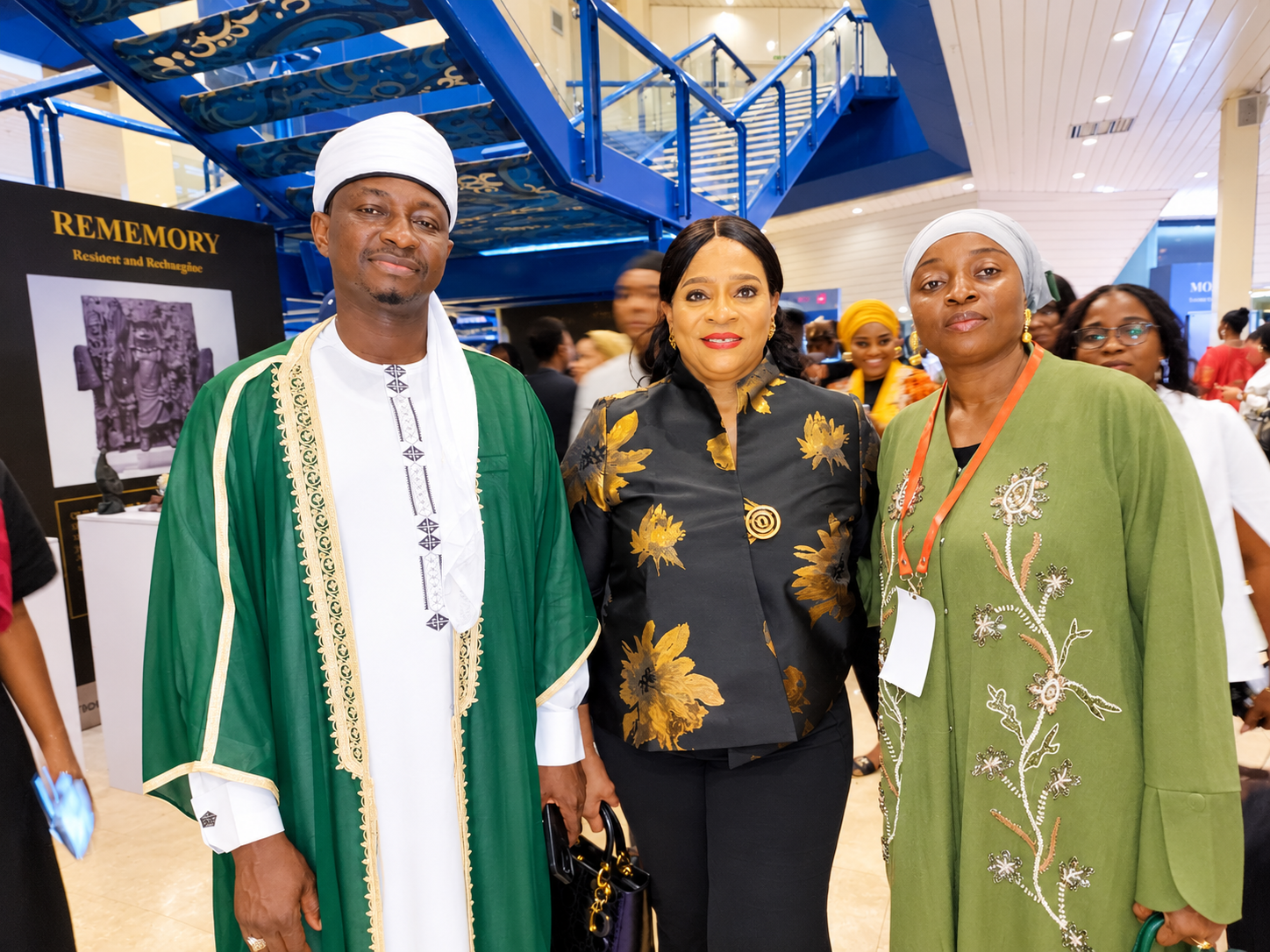
Convener of the Oxford Global Think Tank Leadership Conference, Professor. Arunma Oteh flanked in a group photograph with the Dan Amanan Fune Emirate of Yobe State, Alhaji Ibrahim Mohammed Ajia, Ph.D and his wife Hajia Ajia at the event.
Leadership: The Missing Link Between Potential and Prosperity
For Professor Oteh, the conference represented an opportunity to move leadership conversations beyond inspirational speeches and broad development aspirations towards practical ideas capable of transforming institutions and economies.
The Oxford Global Think Tank is an independent, non-governmental and non-partisan organisation established to promote research, policy dialogue and institutional development.
Its approach recognises that sustainable development requires cooperation among government, business, investors, academia and citizens.
The 2026 conference was structured around three interconnected pillars: resilience, innovation and dynamism.
These themes reflected the changing realities of the global economy, where technological disruption, demographic shifts, changing geopolitical relationships and economic uncertainty are reshaping the conditions for development.
The conference challenged leaders to build institutions capable of withstanding shocks, embrace innovation as a driver of productivity and adapt public and private sector systems to changing demands.
For Africa, where institutional weaknesses frequently undermine otherwise promising policies, the challenge is particularly significant.
Development cannot be sustained by leadership that focuses only on political survival, short-term gains or the distribution of privileges.
It requires leaders who can build institutions that function beyond their tenure, establish predictable policy environments, mobilise resources and create opportunities for citizens.
The conference’s emphasis on leadership therefore placed responsibility squarely on those who exercise political, economic and institutional influence.

Prof. Arunma Oteh, Alhaji Ibrahim Mohammed Ajia, Ph.D and Oladapo Daniel Oyebanjo popularly known and called D’Banj caught in Camera lens during a discussion at the event.
Adesina’s Challenge: Africa Must Become an Owner of Technology
One of the conference’s most significant interventions came from Dr Akinwumi Adesina, who challenged Africa to approach the artificial intelligence revolution not merely as a consumer of technology but as a creator, investor and owner of the systems shaping the global economy.
His keynote address connected the continent’s economic future with its ability to invest in technological infrastructure, develop local innovation and mobilise capital at scale.
Adesina called for the establishment of a $10 billion Africa AI Frontier Technology Fund, which he proposed could help mobilise as much as $50 billion over the next decade.
The proposal was framed around the need for Africa to participate meaningfully in the development and commercialisation of artificial intelligence rather than remain dependent on technologies developed elsewhere.
The former AfDB president argued that technological ownership is increasingly connected to economic sovereignty.
As artificial intelligence reshapes industries, financial services, agriculture, education, healthcare and public administration, countries that control the relevant infrastructure, data, skills and innovation ecosystems are better positioned to capture economic value.
For Africa, the implications are substantial. The continent’s rapidly expanding population presents an enormous opportunity, but demographic growth alone cannot guarantee prosperity.
Without investment in education, healthcare, nutrition, technical skills and entrepreneurship, a youthful population could become a source of economic pressure rather than a development advantage.
— Adewumi Adesina, former President AfDB
Adesina therefore called for deliberate investment in young Africans, enabling them to develop technologies, establish businesses, create employment and participate in the emerging global digital economy.
His intervention placed technology at the centre of Africa’s long-term development strategy.
The question is no longer whether artificial intelligence will transform the continent, but whether African countries will develop the capacity to shape that transformation.
Sanusi’s Warning: Economic Growth Must Reach Ordinary Nigerians

His Royal Highness, Emir of Kano, Alhaji Muhammed Sanusi Lamido Sanusi II and Professor Arunma Oteh.
The Emir of Kano, Muhammadu Sanusi II, brought a critical economic perspective to the conference, warning against measuring national prosperity solely through headline economic growth figures.
While acknowledging improvements in some macroeconomic indicators, Sanusi argued that economic performance must ultimately be judged by its effect on the living conditions of citizens.
Growth figures, he maintained, can conceal deteriorating household welfare when inflation, currency depreciation and population growth undermine purchasing power.
For millions of Nigerians, the real questions remain whether they can afford food, secure decent housing, access quality healthcare, educate their children and find productive employment.
— HRH Emir of Kano, Alhaji Sanusi Lamido Sanusi
Sanusi emphasised that sustainable economic recovery requires more than major policy adjustments.
It demands structural reforms, infrastructure development, transparency, accountability and a stronger commitment to inclusive growth.
He also cautioned against excessive reliance on short-term portfolio investments, which can be volatile and may not provide the long-term financing required for productive economic transformation.
His intervention reinforced a central message of the conference: economic reforms cannot be considered successful simply because they improve selected indicators.
Their ultimate test is whether they expand opportunity, reduce hardship and improve the quality of life of the population.
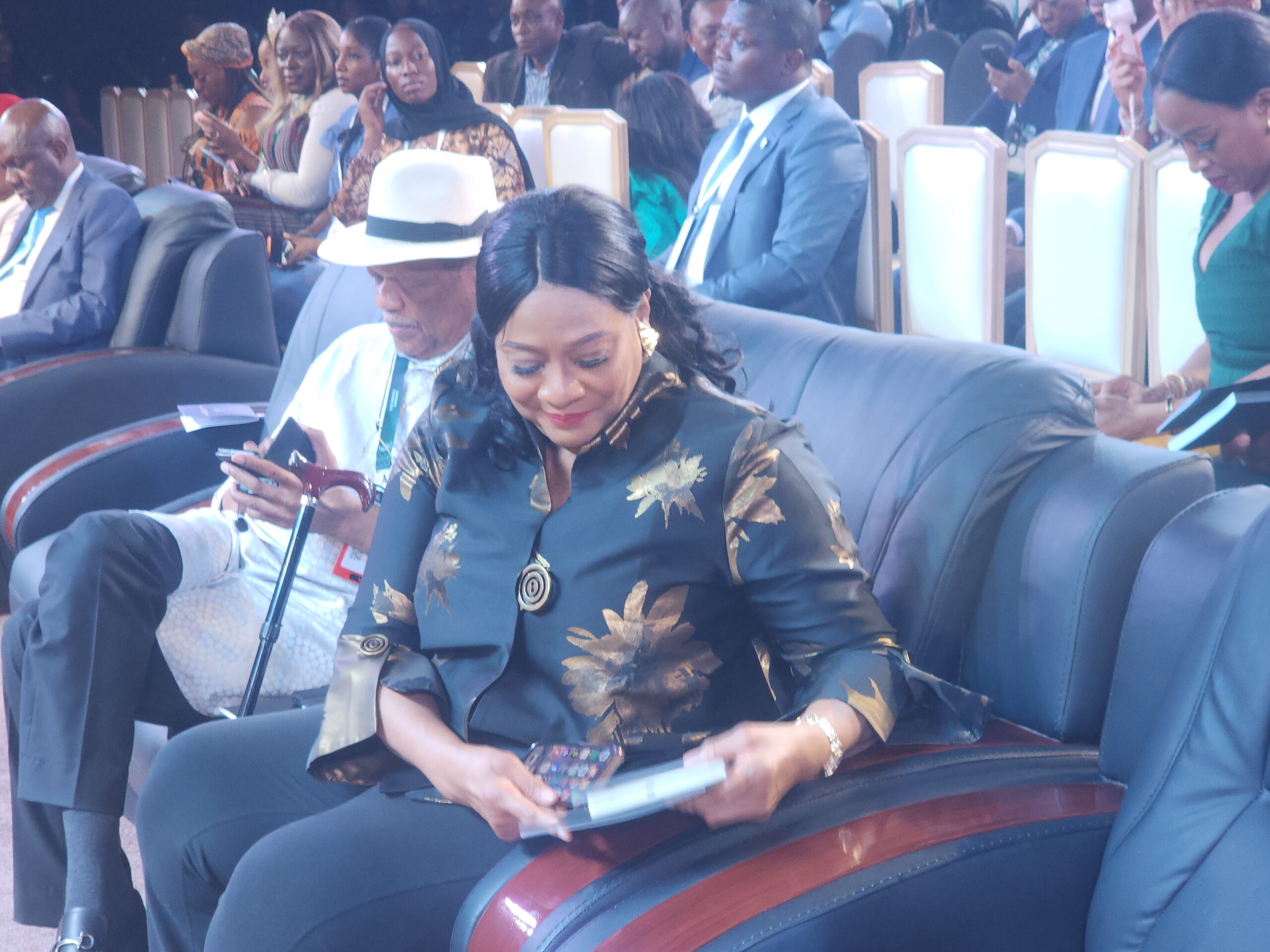
The Convener of the Oxford Global Think Tank Leadership Conference, Prof. Arunma Oteh and the businessman magnate, investment banker and founder of ANAP Foundation, Atedo Peterside at the event.
Peterside: Nigeria Needs Faster Growth and Stronger Investment
Atedo Peterside, businessman, investment banker and founder of ANAP Foundation, delivered a strong assessment of Nigeria’s economic growth trajectory.
He argued that growth of approximately four per cent was insufficient to generate the level of investment, employment and productivity required to significantly reduce poverty.
Peterside called for Nigeria to aspire to annual economic growth of around 10 per cent, stressing that the country needs a much stronger investment drive to expand productive capacity.
He identified corruption, political patronage, regulatory harassment and weaknesses in the business environment as major obstacles to investment.
Of particular concern was the treatment of small and medium-scale enterprises, which often face bureaucratic pressures and regulatory practices that increase operating costs.
Peterside also criticised abuses in public procurement, warning that inflated contracts and politically connected interests undermine the productive use of public resources.
His argument was that Nigeria cannot achieve rapid and sustainable growth while public funds are diverted from infrastructure, education, healthcare and other development priorities.
Nigeria cannot achieve rapid and sustainable growth while public funds are diverted from infrastructure, education, healthcare and other development priorities.
— Atedo Peterside
The challenge, therefore, is not simply to attract more capital but to create an environment in which investment can generate productive enterprises, employment and broad-based economic benefits.
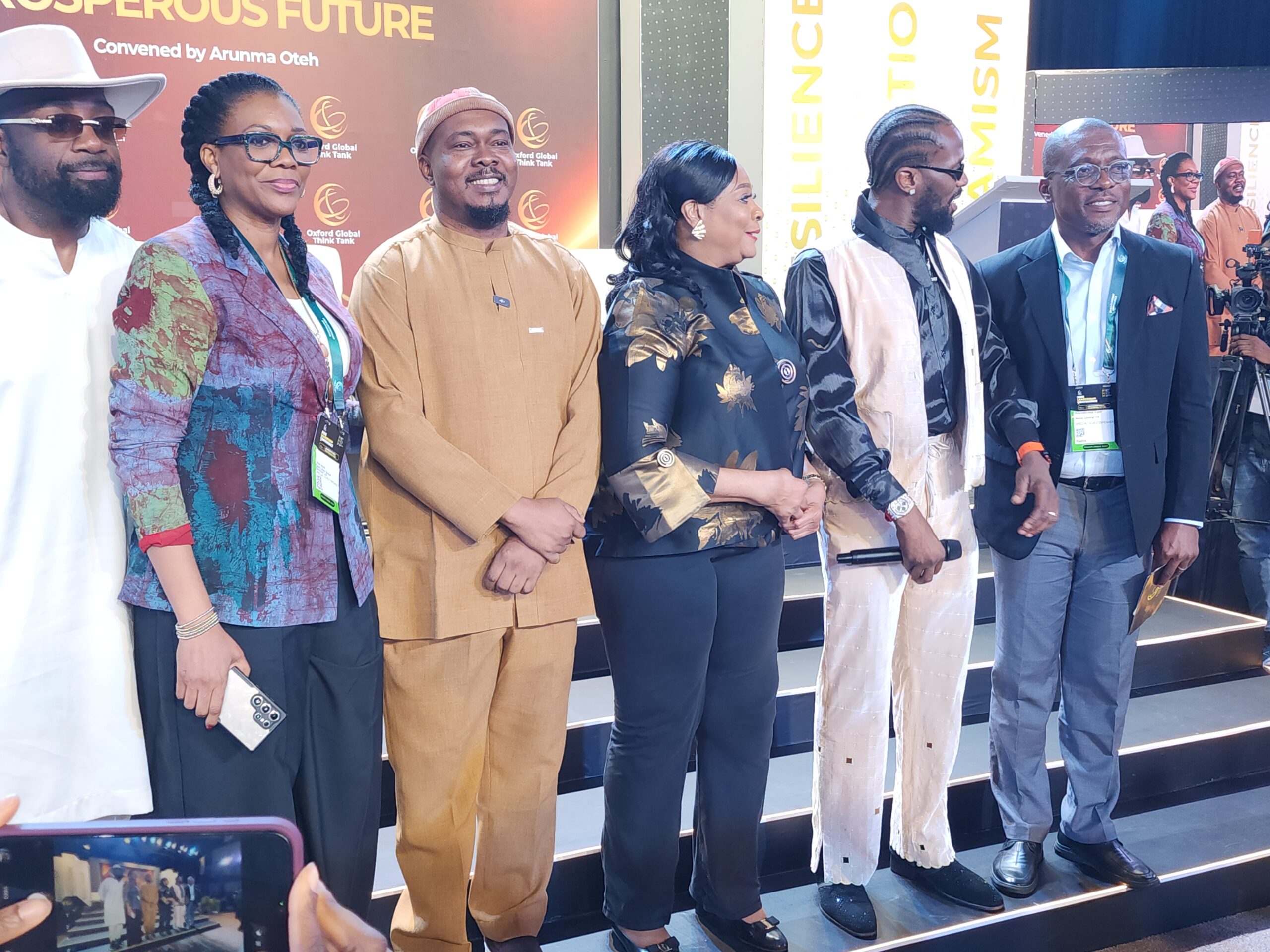
Arunma Oteh with Creative community Panelist at Oxford Global Think Tank Leadership Conference in Abuja
Oteh’s Vision: Mobilising Africa’s Own Capital
As convener of the conference, Professor Oteh emphasised the importance of domestic capital mobilisation as a foundation for long-term development.
Her intervention highlighted the need for stronger capital markets, wider public participation in investment, improved infrastructure and a more supportive environment for businesses.
Africa’s development financing challenge cannot be addressed exclusively through foreign assistance or external borrowing.
The continent must also develop mechanisms to mobilise its own savings and channel them into productive investments.
Pension funds, domestic investors, capital markets and institutional financial resources could play a much larger role in financing infrastructure, industrial development and entrepreneurship.
Oteh also stressed the importance of regulatory certainty and access to finance in encouraging businesses to expand.
Her approach places particular emphasis on creating an ecosystem in which government provides effective institutions and infrastructure, businesses generate investment and employment, financial markets mobilise capital, and citizens participate in economic development.
Creating an ecosystem in which government provides effective institutions and infrastructure, businesses generate investment and employment, financial markets mobilise capital, and citizens participate in economic development.
— Prof. Arunma Oteh
The conference also highlighted the importance of decentralisation, particularly in areas such as electricity and public service delivery, where subnational governments can play a more direct role in responding to local needs.
The underlying message was that Africa’s prosperity will depend partly on its ability to mobilise resources already within its economies and deploy them more effectively.
Otti’s Message to the African Elite: Leadership Is a Responsibility
Governor Alex Otti’s public sector keynote placed the responsibility for development directly on political and economic elites.
In his address, titled “Putting Our Best Foot Forward,” Otti argued that poverty, institutional decay and insecurity are closely connected to weak leadership and dysfunctional governance.
He challenged influential Nigerians to recognise that their privileges come with responsibilities to society.
According to the governor, the fortunes of the public and private sectors are closely connected. When governance fails, businesses suffer, institutions weaken and citizens lose confidence in the system.
Otti urged the elite to move beyond political and economic comfort zones and participate actively in strengthening institutions.
He also called for greater use of technology to improve public administration, track corruption, monitor project implementation, enhance civil service performance and strengthen revenue generation.
The governor highlighted initiatives in Abia State involving smart schools, renewable energy for public institutions, electric vehicles for mass transportation, computer-based recruitment and promotion examinations, and digital land administration.
He presented these measures as examples of how innovation could improve public service delivery and institutional efficiency.
But his most significant message was directed at citizens and influential groups who choose political apathy.
He urged Nigerians to participate in democratic processes, ask questions, demand accountability and contribute ideas and resources towards strengthening public institutions.
The impact of leadership, he argued, must ultimately be measured by the opportunities it creates and the lives it improves.

AI Photo Generating Machine in display at the event.
Nigeria’s AI Opportunity: From Connectivity to Productive Transformation
Dr Bosun Tijani, Minister of Communications, Innovation and Digital Economy, addressed the technological foundations required for Nigeria to benefit from artificial intelligence.
He argued that possessing natural resources is not enough to guarantee prosperity.
Countries become economically successful when they develop the knowledge, institutions and technologies required to transform resources into productive value.
Tijani pointed to Nigeria’s telecommunications liberalisation and the introduction of GSM services in 2001 as an example of how policy reform, competition and private investment can transform an industry.
He argued that artificial intelligence presents a comparable opportunity, provided Nigeria invests in the infrastructure and skills necessary to deploy it effectively.
These include broadband connectivity, computing capacity, data infrastructure, research, technical education and innovation.
The minister also highlighted government initiatives in digital skills development, including the 3 Million Technical Talent programme, alongside efforts to develop local AI capabilities.
The conference’s technology discussions underscored the need for collaboration between government, universities, businesses and innovators.
For Nigeria, the opportunity extends beyond adopting imported AI tools.
It includes developing local applications, supporting technology businesses, improving productivity in agriculture and manufacturing, and deploying AI to address challenges in public administration and service delivery.
However, the benefits will depend on whether technological investments are translated into practical economic and social outcomes.
The AI Report and Virtual Centre: Moving Beyond Conversation
A major feature of the conference was its focus on artificial intelligence as a strategic development priority.
The programme included the unveiling of an OGTT artificial intelligence report, the establishment of an AI Virtual Centre and an exhibition showcasing emerging technologies.
These initiatives were designed to extend the conference’s discussions beyond the event itself by creating platforms for research, collaboration and continued engagement.
The report and virtual centre could provide opportunities for policymakers, researchers, businesses and technology experts to examine the implications of AI for Africa’s economic and institutional development.
Their significance will ultimately depend on whether they generate practical recommendations, partnerships, research outputs and initiatives capable of influencing policy and investment.
In a continent where many development conversations have historically struggled to translate into implementation, the challenge is to ensure that the conference’s ideas become part of an ongoing process of institutional learning and reform.
A Conference at a Critical Moment for Africa
The 2026 OGTT Leadership Conference took place against the backdrop of profound global changes.
Artificial intelligence is reshaping the world of work and production.
Demographic growth is increasing pressure on African governments to create employment and expand essential services.
Global economic relationships are shifting, while countries compete for investment, technology and strategic influence.
For Africa, these changes present both opportunities and risks.
The continent possesses enormous natural resources, a growing consumer market and a youthful population.
Yet these advantages can only be translated into prosperity through effective leadership, strong institutions, productive investment and technological capability.
The conference therefore challenged participants to reconsider the relationship between leadership and development.
Africa’s challenges are not simply the result of resource shortages.
They are also connected to the quality of decisions made by leaders, the effectiveness of institutions and the capacity of governments and businesses to convert available resources into productive outcomes.
From Aspiration to Action
The second Oxford Global Think Tank Leadership Conference offered a compelling argument for a new approach to African development—one that places institutional leadership, technological ownership, domestic capital mobilisation and inclusive growth at the centre of the continent’s economic future.
The contributions of Adesina, Sanusi, Peterside, Oteh, Otti and Tijani converged around a common understanding: Africa’s prosperity will not emerge automatically from its natural resources, population or economic potential.
It must be deliberately built through sound leadership, effective institutions, investment in people, innovation and accountability.
For Nigeria, the message is particularly urgent. The country must create an economy capable of generating employment, supporting productive enterprises, strengthening public institutions and improving the welfare of its citizens.
For Africa as a whole, the challenge is to move beyond the language of potential and establish the systems required to compete in an increasingly technology-driven global economy.
The conference’s most important test will therefore come after the conversations in Abuja have ended.
Will the proposed AI investment initiatives attract capital and institutional support?
Will the OGTT report and virtual centre produce practical partnerships and policy recommendations?
Will the calls for stronger institutions, inclusive growth and accountability influence the decisions of governments and businesses?
And will the continent’s leaders translate their commitments into measurable improvements in the lives of ordinary people?
These questions will determine whether the conference becomes another gathering of influential voices or a meaningful contribution to Africa’s development journey.
As the discussions at Transcorp Hilton made clear, Africa does not lack ideas, resources or capable people.
What it urgently needs is leadership that can bring these assets together, build enduring institutions and turn the promise of prosperity into a lived reality for its citizens.
Aliagan, an Abuja-bound Journalist, he is the Managing Editor of Time Nigeria Magazine and President of Nigerian Guild of Investigative Journalists (NGIJ) was at the event