


Media Cell to move beyond event-driven publicity towards sustained, analytical, investigative and solution-oriented journalism that examines the performance of emergency medical services and their impact on ordinary Nigerians.
— Moji Makanjuola
By ABDULRAHMAN ALIAGAN,
The National Emergency Medical Services and Ambulance System (NEMSAS) has called for stronger media engagement, evidence-based reporting and sustained public enlightenment to improve awareness and accountability in Nigeria’s emergency healthcare delivery system.
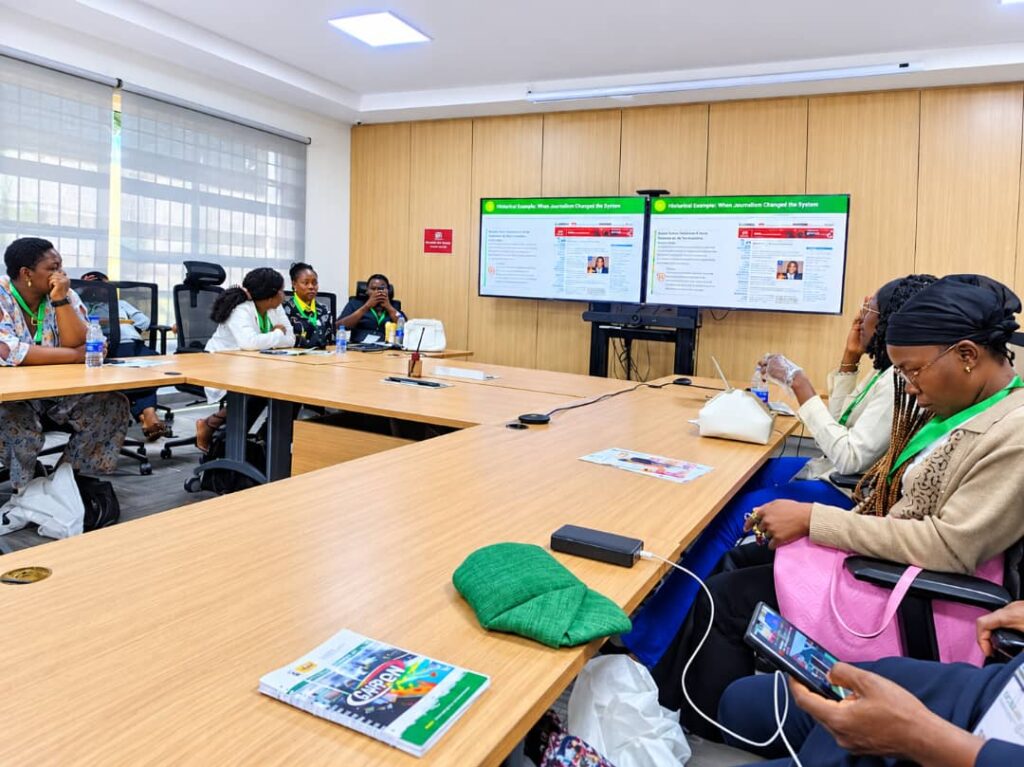
The call was made during a two-day capacity-building workshop for members of the NEMSAS Media Cell, held on November 24 and 25, 2026, at the Solina Centre for International Development and Research (SCIDaR), Wuse II, Abuja.
In his opening remarks, the NEMSAS National Programme Manager, Dr Doubra Emuren, set the tone for the workshop, which was organised to strengthen journalists’ understanding of the country’s emergency medical services and improve their capacity to communicate health-sector reforms to the public.
The workshop brought together media professionals and health-sector experts to examine the relationship between effective communication, public awareness and the delivery of emergency medical services, with particular emphasis on the need for accurate, accessible and timely information.
Speaking at the event, veteran broadcaster and Executive Director of the International Society for Media in Public Health (ISMPH), Chief Mrs Moji Makanjuola, MFR, FNIPR, described the media as a critical partner in the successful implementation of emergency healthcare interventions.
Makanjuola disclosed that members of the NEMSAS Media Cell had collectively published more than 20 stories across different media platforms since the Cell was inaugurated on October 16, 2025.
She said the publications included news reports, feature articles, interviews, special reports and public enlightenment materials aimed at improving public understanding of emergency medical services.
However, she urged members to look beyond the number of stories published and pay greater attention to the quality, depth, consistency, reach and impact of their reports.
She stressed the need for the Media Cell to move beyond event-driven publicity towards sustained, analytical, investigative and solution-oriented journalism that examines the performance of emergency medical services and their impact on ordinary Nigerians.
According to her, NEMSAS must also strengthen its relationship with the media by providing timely information, access to relevant officials, opportunities for field reporting and invitations to policy discussions, programme launches and other important activities.
She identified ambulance accessibility, maternal and newborn emergencies, road traffic accidents, trauma management, emergency referral systems, healthcare financing and equitable access to emergency services as critical areas requiring sustained media attention.
Makanjuola further advocated stronger collaboration between NEMSAS and journalists in producing human-interest stories, special reports and joint investigations capable of highlighting the experiences of patients, healthcare workers, ambulance personnel and communities.
In his presentation, public health communication and health systems reform expert, Dr Lawal Bakare, examined the role of the media in advancing healthcare reforms, urging journalists to see themselves as strategic partners in improving the health system rather than merely channels for institutional publicity.
Speaking on the theme, “Media as a Reform Enabler: Journalist Advocacy in Health,” Bakare focused on the need to establish a structured media engagement framework that would promote regular interaction between NEMSAS and journalists.
He emphasised that effective communication of health reforms required sustained institutional engagement, transparent information sharing, timely access to relevant stakeholders and opportunities for journalists to understand the implementation of government interventions.
He noted that journalists had important responsibilities in promoting public awareness, explaining policy decisions, interrogating implementation challenges and strengthening accountability within the health sector.
The workshop also examined the importance of credible data and rigorous verification in health reporting.
During a session titled, “Key Data Sources for Health Reform Reporting in Nigeria: Verifying Health Claims Before Publishing,” Yeesah Umar highlighted the need for journalists to rely on credible sources and verify statistics, claims and information before publication.
The session underscored the risks associated with inaccurate health reporting, particularly where misleading information could influence public decisions, undermine confidence in healthcare institutions or create confusion during emergencies.
Participants were encouraged to strengthen their capacity to identify reliable data sources, cross-check information and ensure that health-related reports were supported by verifiable evidence.
Another presentation by Victor Timilehin Adetimilehin focused on the scope of work and impact of the Solina Centre for International Development and Research (SCIDaR), providing participants with an opportunity to understand the organisation’s work in supporting health-sector development.
Adetimilehin also facilitated a session on “Combating Misinformation: Evidence-Based Messaging on Emergency Medical Services,” which examined the dangers of misinformation and the responsibility of journalists to promote accurate public communication.
The session emphasised that emergency medical services required clear, timely and accessible information to help citizens understand available services and respond appropriately during medical emergencies.
It also highlighted the media’s role in countering misleading narratives, improving public confidence and ensuring that information about emergency healthcare interventions was communicated responsibly.
Beyond the specific presentations, the workshop exposed participants to broader issues affecting Nigeria’s health-sector reforms, including governance and institutional accountability, access to quality healthcare, regulatory capacity, local pharmaceutical production and health security.
The discussions highlighted the need for journalists to report beyond official announcements and press conferences by examining how policies and interventions translate into measurable improvements in the lives of Nigerians, particularly people in rural and underserved communities.
Participants were also encouraged to pay greater attention to emergency preparedness, disease surveillance, referral systems and the challenges confronting healthcare delivery, while ensuring that their reports remained factual, balanced and solution-driven.
The workshop reinforced the importance of a stronger partnership between NEMSAS and the media in building public understanding of emergency medical services and promoting confidence in the country’s healthcare system.
It further emphasised that the effectiveness of emergency medical services should not be measured solely by the number of ambulances deployed or emergency calls received, but also by lives reached, response effectiveness, public awareness and the ability of the system to provide timely assistance to people in need.