


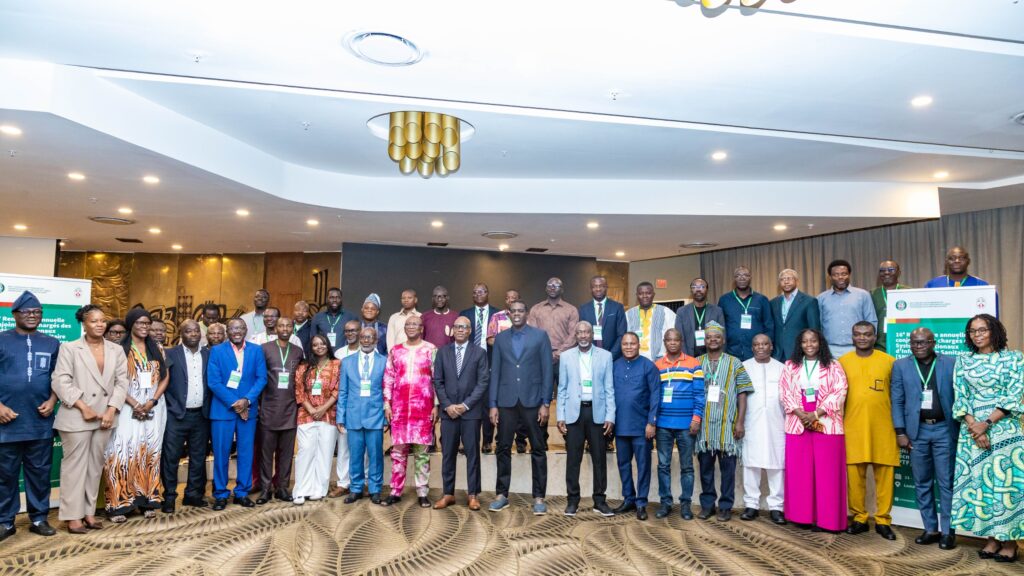
The West African Health Organisation (WAHO) has convened health information system officials and development partners from across the Economic Community of West African States (ECOWAS) region in Lomé, Togo, to strengthen the collection, sharing and utilisation of routine health data across member states.
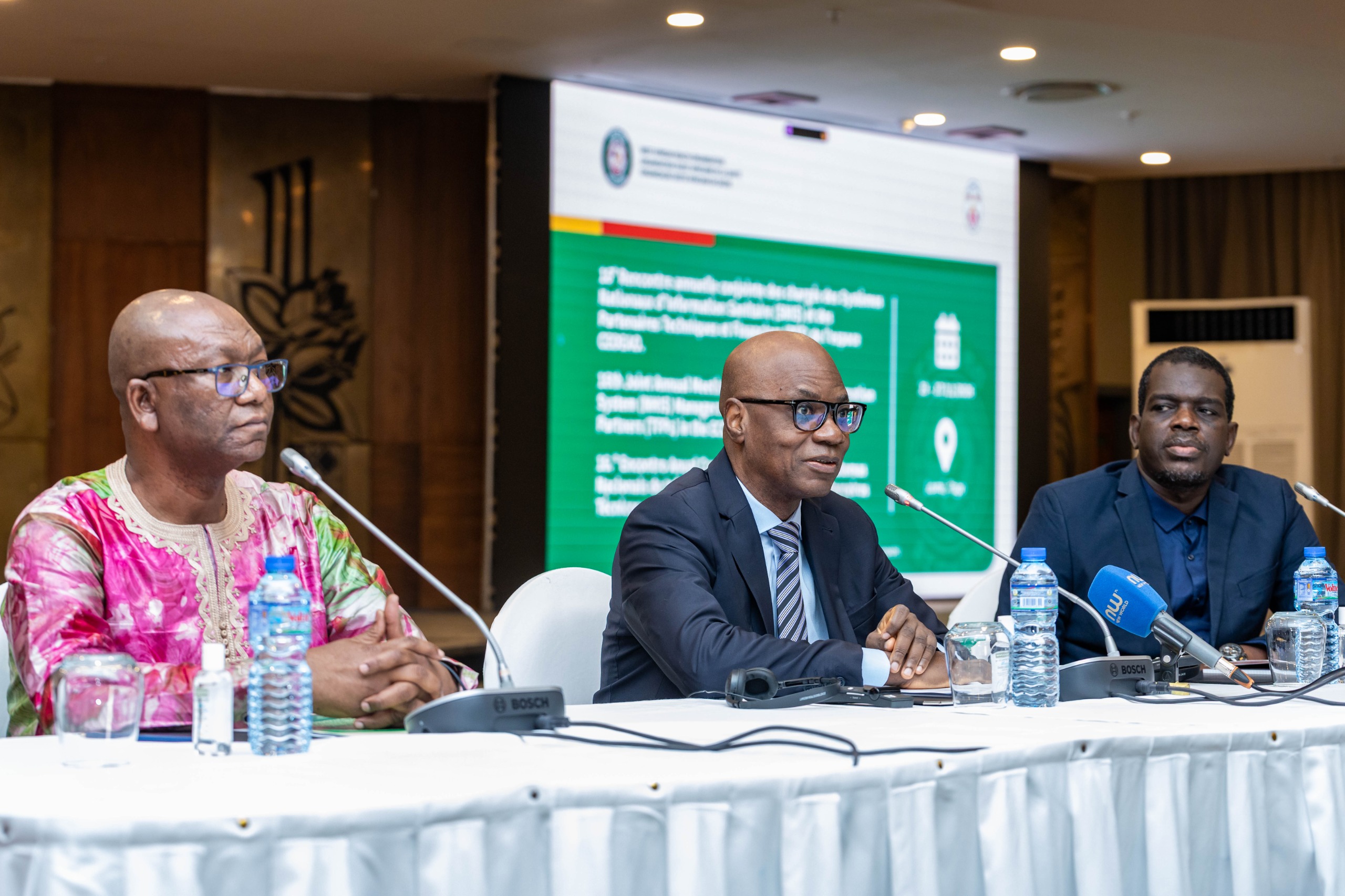
The five-day meeting, holding from November 23 to 27, 2026, is expected to produce an updated regional framework for key health indicators, alongside agreements on the frequency and formats for sharing routine health information among member states.
The gathering forms part of the 16th Joint Annual Meeting of National Health Information System Officers and Technical and Financial Partners in the ECOWAS Region, organised under the theme: “Making Health Information Truly Available, Accessible and Usable to Strengthen Health Systems in West Africa.”
Speaking on behalf of Togo’s Minister of Health, Public Hygiene, Universal Health Coverage and Insurance, Dr Teouri Mahamouda emphasised the need to improve data quality and strengthen interoperability among digital health platforms to ensure that information collected translates into effective policy decisions.
He highlighted Togo’s validation of its 2027–2030 Strategic Plan for Strengthening the National Health Information System, as well as a data quality audit conducted with WAHO’s support.
Mahamouda also disclosed that Togo’s National Health Intelligence Unit had commenced operations, initially focusing on maternal and neonatal health.
In his remarks, the Director-General of WAHO, Professor Palokinam T. Pitche, stressed that timely and reliable health information remained essential for effective decision-making, particularly in determining resource allocation and identifying priority areas within national health systems.
He noted that declining funding for data collection had made it increasingly important for member states to review and update the regional health indicators first established in 2013.
Pitche reaffirmed WAHO’s commitment to improving the quality of health information and facilitating automated data exchange between national and regional platforms.
He also disclosed that the organisation was developing a memorandum of understanding with Health Information Systems Programme (HISP) to support improved digital data exchange.
Also speaking, Dr Abdoulaye Maïga, a lecturer and researcher at the Johns Hopkins Bloomberg School of Public Health, who represented the Countdown to 2030 consortium, highlighted nearly a decade of collaboration with WAHO in strengthening countries’ capacity to analyse and utilise health information.
Maïga observed that routine health data were becoming increasingly important for monitoring health programmes and measuring progress, particularly as financial support for traditional data sources, including population censuses and large-scale surveys, continued to face limitations.
Participants at the meeting are expected to adopt an updated set of regional health indicators, agree on standard procedures for sharing routine health data and establish a common reporting template for national and regional health situation reports.
The outcomes are expected to strengthen regional coordination, improve the accessibility and reliability of health information, and support evidence-based planning, policy formulation and resource allocation across West Africa.