


“What we must understand is that everyone has the right to practice their own religion. Religious leaders must not tolerate hate speech, and people should not deliberately cause confusion. We must advocate for the religious rights of everyone, not just those of our own faith. If FoRB is encouraged in Nigeria, there will be peace. We will not have much conflict if we respect each religion — we will all be better for it.”
- As Faith Leaders Unite in Kaduna to Foster Peace and Progress
By Abdulrahman Aliagan,
At the Bafra International Hotel in Kaduna, religious leaders from across Nigeria gathered under one roof to send a powerful message: peace and national development can only flourish when faith leaders unite in love, tolerance, and responsible leadership.
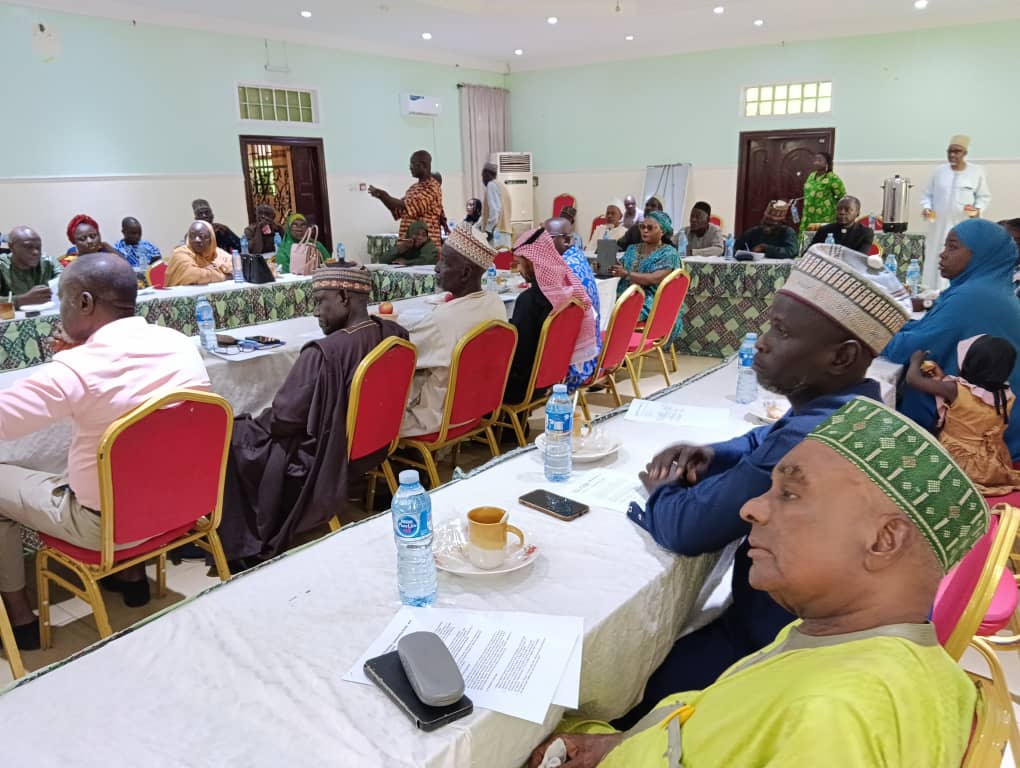
Religion leaders at the roundtable discussion event in Kaduna
The meeting, organized by Faith and Freedom Africa (FFA) under the banner of Freedom of Religion or Belief (FoRB), brought together Christian and Muslim clerics, government representatives, and civil society actors to reflect on the intersection between faith, leadership, and national responsibility.
Throughout the discussions, a single refrain echoed across the hall: “The government will not act responsibly if religious leaders have not united and led with love.”
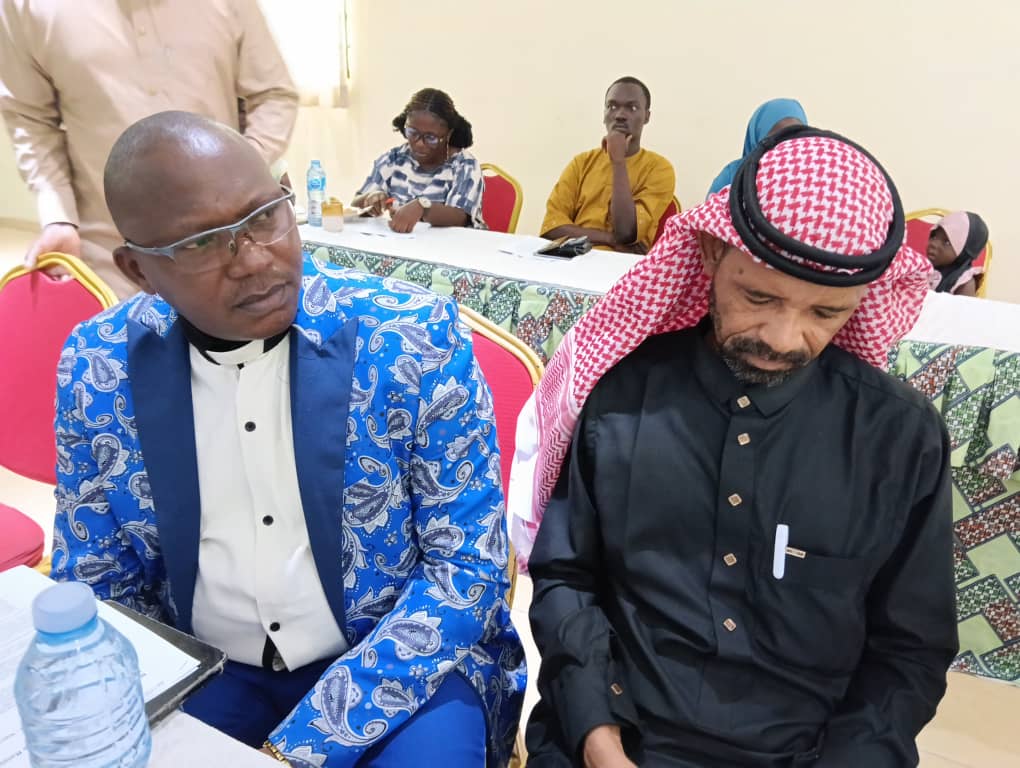
Participants at the event
Reverend Joseph Hayap, Chairman of the Christian Association of Nigeria (CAN) in the 19 Northern States and former Chairman of Kaduna CAN, opened the conversation with a candid reflection on the essence of FoRB.
“ForB does not represent any religion,” he clarified. “What we must understand is that everyone has the right to practice their own religion. Religious leaders must not tolerate hate speech, and people should not deliberately cause confusion. We must advocate for the religious rights of everyone, not just those of our own faith. If FoRB is encouraged in Nigeria, there will be peace. We will not have much conflict if we respect each religion — we will all be better for it.”
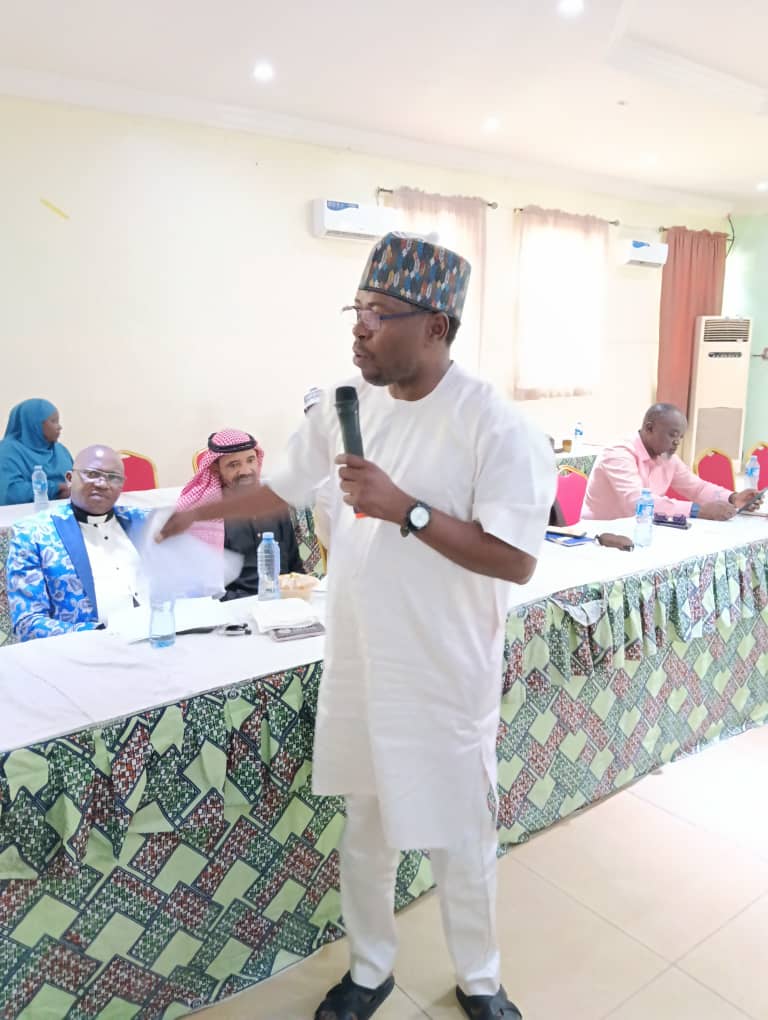
The FFA Country Contactor, Mr Felix Joseph Samari making his points at the event
Other participants echoed his call for mutual respect and responsible leadership within faith communities. They stressed that peace and justice cannot be achieved in a divided society and urged the government to promote FoRB as a foundation for sustainable development.
Rev. Fr. Bruno Shawuya, Deputy Director-General of the Interfaith Bureau, Kaduna State, praised Faith and Freedom Africa for its transformative work.
“FFA is addressing the root causes of problems in northern Nigeria by approaching them through the lens of freedom. Dialogue without respect for freedom will not work,” he said.
“The work of FFA is one of the unseen pillars sustaining peace in the country. Several efforts have been made toward peaceful coexistence, and this is a project that must be sustained.”
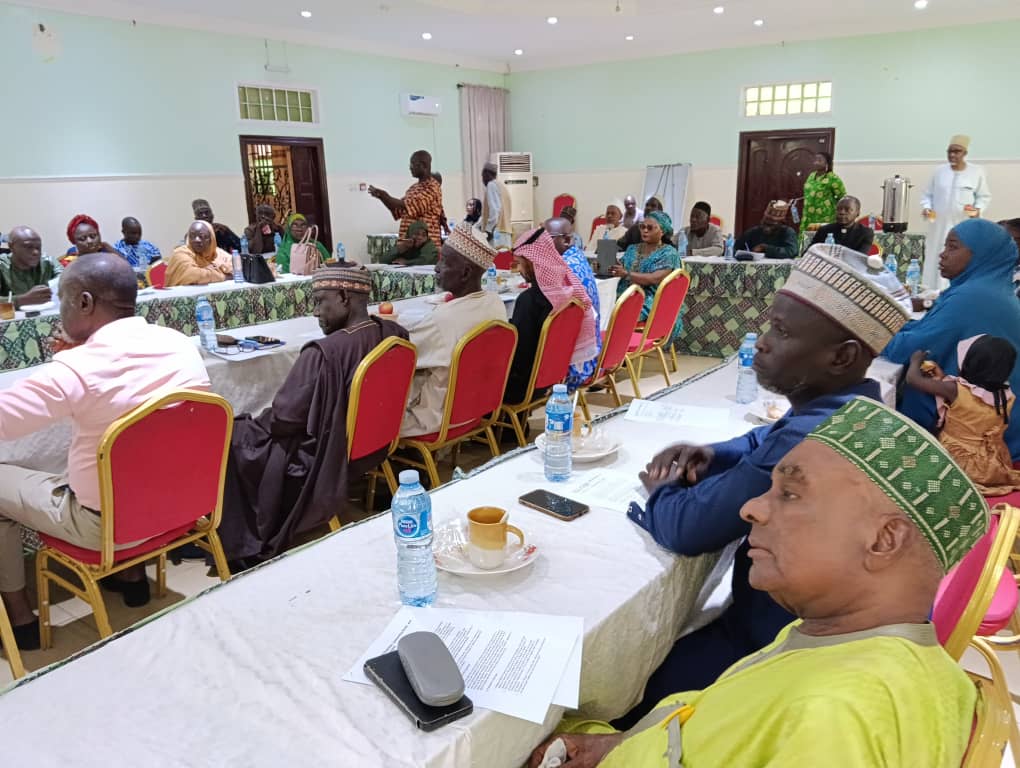
Participants at the event
He revealed that Kaduna State has already initiated a joint interfaith program to strengthen religious harmony and dialogue, urging stakeholders to learn more about FoRB and integrate it into community engagements.
The leader of the Jama’atu Nasril Islam (JNI), Malam Abdularahman Mahmoud, welcomed FFA to Kaduna and stressed the importance of correcting misconceptions within religious teachings.
“Religion remains a sensitive issue in Nigeria,” he said, “but we must find ways to dispel wrong teachings and promote understanding.”
Similarly, the CAN Chairman of Kaduna State, Rev. Caleb Ma’aji commended FFA’s message of inclusion, affirming that “FoRB does not protect any particular religion — it protects human beings because it is a human right.” He pledged CAN’s continued partnership with Faith and Freedom Africa to advance religious liberty and social harmony.
Archbishop James Malgit, National Deputy President of the Charismatic Bishops of Nigeria, expressed gratitude to FFA for enlightening Nigerians about their fundamental rights.
“The work of FoRB should be encouraged and supported,” he said. “God is using FFA to enlighten people about their rights. When people are united, they make more progress, and knowing one’s rights promotes love and unity.”
Participants decried the growing menace of mob violence in northern Nigeria, emphasizing that no individual should lose their life over alleged or perceived blasphemy. They called for concerted efforts among religious leaders, security agencies, and community stakeholders to prevent violence rooted in intolerance.
The Country Contractor of Faith and Freedom Africa, Mr Felix Joseph Samari reminded leaders of their moral duty to safeguard religious freedom and prevent its abuse for political or sectarian gain. Quoting Section 42 of the Nigerian Constitution, he said:
“There has been too much pain caused in this country by those who claim to be religious leaders but preach what does not promote peace, justice, or religious freedom for all. Data don’t lie — it is not acceptable for even one person to be killed simply because of what they believe or do not believe. That is why we are doing this work.”
The leader of the Federation of Muslim Women’s Associations in Nigeria (FOMWAN) called for intensified awareness campaigns on FoRB.
“Knowledge gaps must be bridged if we want to build true religious freedom in Nigeria,” she said. “FFA should push its activities further across the country to enlighten more people.”
A Shiite representative at the meeting lamented the government’s failure to uphold freedom of religion, asserting that everyone deserves the right to be different or to hold varied ideologies.
“People should be given the space and right to practice their religion based on their own understanding,” he stated.
Faith and Freedom Africa’s work in Kaduna builds upon its ongoing advocacy efforts across Nigeria. The organization has previously hosted impactful engagements in Abuja (Federal Capital Territory), Makurdi (Benue State), andLJalingo (Taraba State) — each focusing on building bridges of understanding among faith communities and government institutions.
In Abuja, FFA engaged policymakers, clerics, and civil society in a high-level roundtable promoting FoRB as a cornerstone for national unity. In Makurdi, community dialogues centered on religious tolerance helped defuse long-standing tensions between faith groups. In Jalingo, Taraba State, FFA’s grassroots campaigns empowered local leaders to resolve conflicts peacefully and to integrate FoRB principles into community development planning.
As the Kaduna meeting drew to a close, participants agreed that Nigeria’s future depends on leaders who embody love, justice, and compassion — not division or hate. They resolved to continue working with Faith and Freedom Africa to promote awareness, strengthen interfaith collaboration, and uphold every citizen’s right to freedom of religion or belief.
Ultimately, the Kaduna forum underscored that peace and progress begin with responsible leadership rooted in love — and that when religious leaders rise above sectarian divides, the entire nation benefits.