


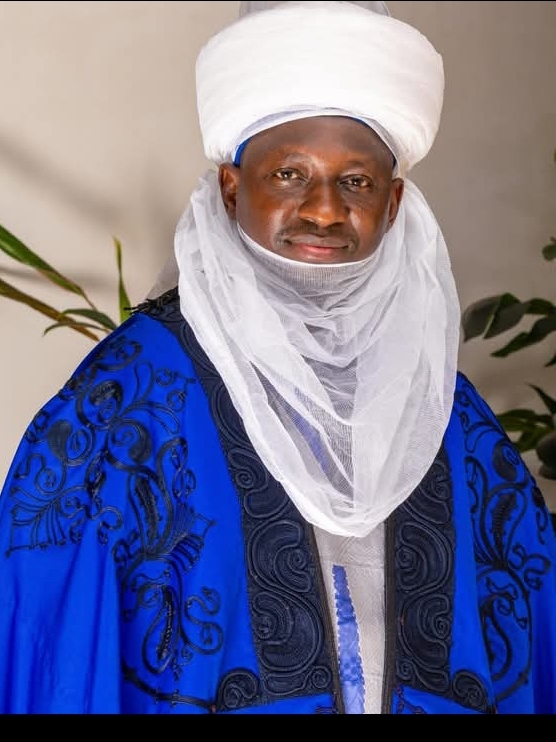
The President/CEO of Funab Group of Companies Ltd and Dan Amanar of Fune Emirate, Yobe State, Alhaji Ibrahim Mohammed Ajia, has expressed deep concern over the growing wave of insecurity in Kwara State, urging urgent intervention through community policing and enhanced intelligence sharing among security agencies.
Ajia, who made the call in Abuja while celebrating the 23rd anniversary of his course mates from the Nigeria Police Academy, said Kwara was fast slipping into a security crisis that demands proactive policing to prevent further escalation.
“I urge my colleagues to deploy their networks of intelligence to salvage Kwara State, which is currently battling rising security threats that are generating concern and unrest among citizens,” he said.
In recent months, Kwara has witnessed disturbing cases of kidnapping along major highways, deadly armed robbery attacks in Ilorin and its environs, farmer–herder clashes in rural communities, and cult-related violence involving youths in the state capital. Residents in Asa, Moro, Edu, and parts of Baruten local government areas have also raised alarm over increasing bandit incursions and night raids on villages, leaving many communities in fear.
Ajia noted that such incidents not only endanger lives but also undermine agricultural production, trade, and investment opportunities in the state.
The business leader and security expert emphasized that tackling insecurity in Nigeria requires a renewed commitment from security operatives, particularly those in leadership positions across the Nigeria Police Force. He called for intensified collaboration, intelligence gathering, and early detection of threats as key strategies to restore peace and stability.
Ajia further recommended the adoption of community-driven policing strategies to bridge the gap between security operatives and the grassroots, stressing that only by winning the trust and cooperation of local communities can criminal elements be effectively neutralized.
“Community policing must be embraced as the future of security in Nigeria. Citizens must be encouraged to play an active role in safeguarding their communities by sharing intelligence and working with law enforcement officers,” he added.
He, however, insisted that the fight against insecurity cannot be left to the police alone. He called on the Federal Government, the Kwara State Government, and Local Government Councils across the state to collaborate more effectively and take decisive action to guarantee the safety of lives and property.
According to him, local governments must step up their responsibilities by mobilizing traditional rulers, community leaders, and vigilante groups to complement formal security structures, while the Kwara State Government should prioritize security as a matter of urgency. He equally urged the Federal Government to provide adequate resources, logistics, and policy direction to strengthen policing in the state.
While acknowledging the sacrifices of police personnel nationwide, Ajia also appealed to the government to prioritize their welfare, noting that low morale remains a major impediment to effective policing.
He maintained that the growing insecurity in Kwara should serve as a wake-up call for security stakeholders, warning that failure to act decisively could undermine peace and development in the state.