


By Abdulrahman Aliagan
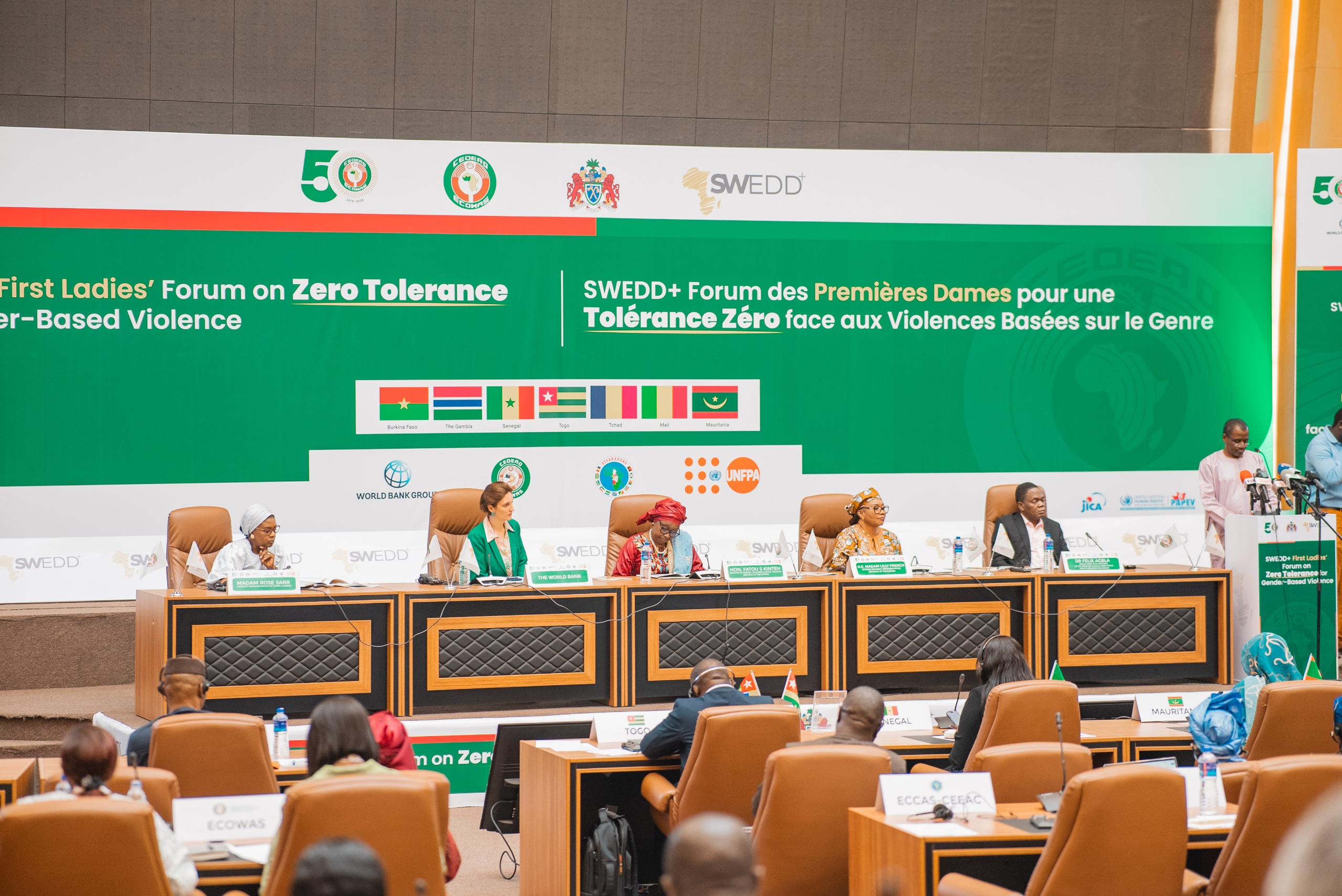
As momentum builds toward a major regional push against gender-based violence in West and Central Africa, technical experts from across the SWEDD+ countries have gathered in Banjul, Republic of The Gambia, for a strategic preparatory meeting aimed at shaping high-level action.
The Technical Experts’ Meeting, held on 8 April 2026, serves as a precursor to the much-anticipated Forum of First Ladies of SWEDD+ Countries on Zero Tolerance for Gender-Based Violence, a landmark event expected to galvanise stronger political commitment and coordinated action across the region.
At the centre of the discussions is a stark reality: gender-based violence remains one of the most persistent and devastating social and public health crises confronting women and girls in Africa.
The meeting, which has drawn participation from SWEDD+ Member States, regional institutions, and technical and development partners, is designed to examine the regional landscape of gender-based violence, assess institutional responses, and define priority recommendations for adoption at the political level.
From harmful social norms and domestic abuse to sexual exploitation, child marriage and systemic inequalities, experts at the Banjul meeting are confronting the many dimensions of violence that continue to threaten the dignity, health, safety and future of millions of women and girls.
Structured around plenary sessions and thematic working groups, the technical meeting is focused on identifying gaps, strengthening coordination mechanisms, and proposing practical strategies across critical sectors such as health, justice, education, and social protection.
Participants are also reviewing current regional trends and institutional responses, with the goal of building a more coherent, measurable and survivor-focused framework for action.
WAHO Pushes for Action Beyond Rhetoric
A key participant at the meeting is the West African Health Organisation (WAHO), which reaffirmed its commitment to strengthening the regional response to gender-based violence.
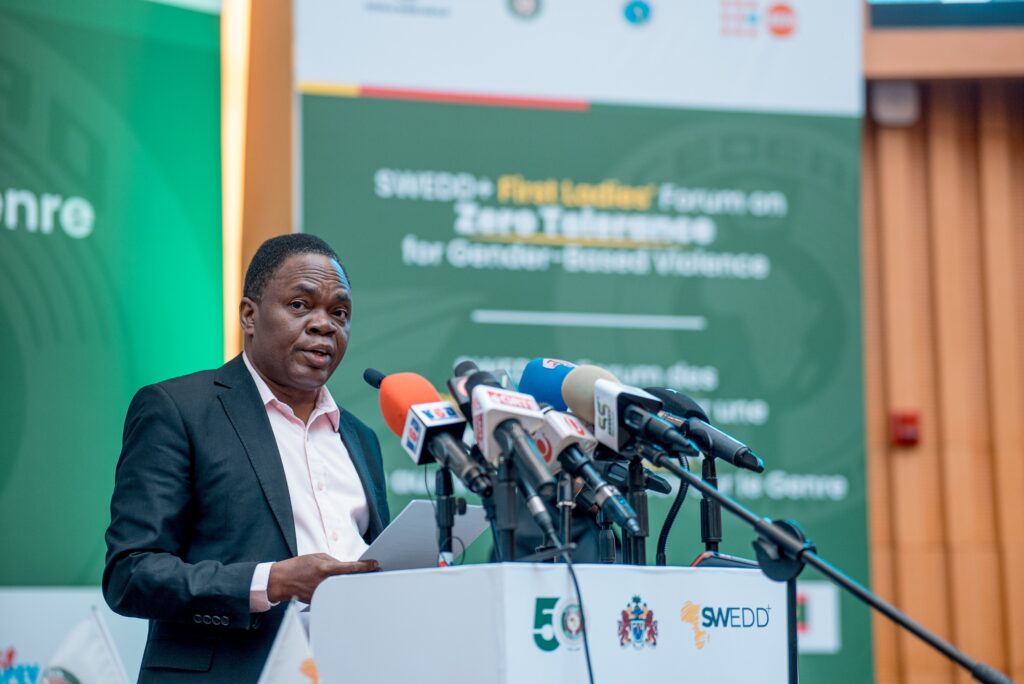
Speaking on behalf of the Director General of WAHO, Dr Felix Agbla delivered a strong message on the urgency of the issue, describing gender-based violence as both a grave human rights violation and a major public health concern.
He warned that the consequences of such violence go far beyond individual trauma, undermining gender equality, social cohesion, and the broader goals of sustainable development across the region.
Dr Agbla stressed the need for a decisive shift from declarations to implementation, urging stakeholders to move beyond policy statements and adopt concrete, operational and measurable interventions capable of delivering real protection and justice for survivors.
A recurring theme in the Banjul discussions is the critical role of health systems in responding to survivors of gender-based violence.
According to WAHO, access to integrated, accessible and survivor-centred care remains essential in helping affected individuals receive not only medical treatment, but also psychosocial support, legal referrals and protection services.
The organisation noted that effective response cannot rest on one institution alone. Instead, it requires strong multisectoral collaboration, bringing together health professionals, law enforcement agencies, educators, policymakers and social welfare institutions under a unified accountability framework.
WAHO has continued to support Member States in this regard, promoting coordinated regional strategies that place implementation, monitoring and accountability at the heart of anti-violence efforts.
The technical meeting is widely seen as a critical foundation for the upcoming Forum of First Ladies, where political leaders and influential women across the SWEDD+ space are expected to amplify the call for zero tolerance to all forms of gender-based violence.
Beyond symbolism, the forum is expected to serve as a platform for policy advocacy, regional solidarity, and renewed commitments aimed at transforming the lives of women and girls across West and Central Africa.
For many observers, the Banjul gathering is more than a technical exercise — it is a sign that the region is increasingly recognising that ending gender-based violence requires not only moral outrage, but also institutional resolve, cross-border cooperation, and sustained political will.
As the First Ladies prepare to take the stage, the experts meeting has sent a clear message: the time for fragmented responses is over; the time for coordinated action is now.