


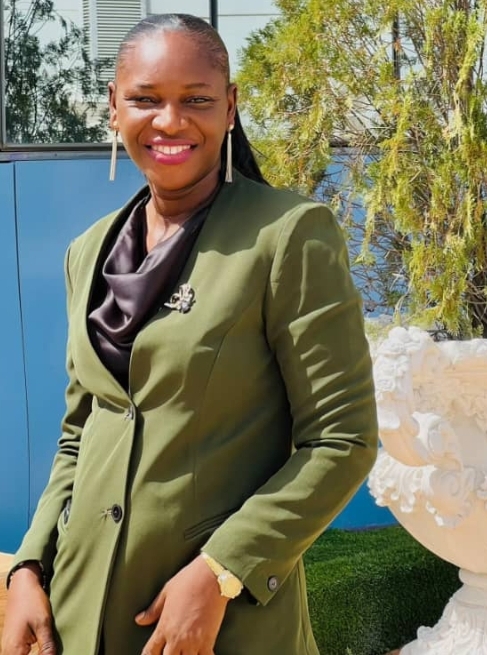
By Omonon Chidi Nwafor
As the echoes of Nigeria’s 65th independence celebrations fade, the realities confronting our nation once again demand introspection. We have honoured our heroes past and reflected on six and a half decades of sovereignty, but the fight for a truly free Nigeria is far from over. The scourge of drug abuse continues to erode our social fabric, weaken our youth, and undermine our national progress.
In my earlier piece, “Beyond Celebration: How Nigeria @ 65 Must Tackle the Drug Abuse Crisis,” I underscored that our independence is incomplete while millions of young Nigerians remain trapped in the cycle of addiction. Today, the call grows louder — we must shift from reaction to reconstruction, from punishment to prevention, and from isolated campaigns to a unified, national framework for drug demand reduction.
The Evolving Nature of the Crisis
Nigeria’s drug problem is no longer limited to conventional substances like cannabis or codeine. The rise of synthetic drugs — including crystal meth (“ice”) and designer opioids — has transformed the landscape of addiction. These substances are cheaper, more potent, and more destructive, leaving families and communities struggling to cope.
Behind every addict is a story — of unemployment, trauma, peer pressure, or lack of opportunity. The statistics from the United Nations Office on Drugs and Crime (UNODC) remain alarming: over 14 million Nigerians use drugs, with 3 million battling disorders. But the true cost cannot be captured in numbers. It is seen in the tears of parents, the silence of broken homes, the fear of communities, and the rising tide of violence linked to substance abuse.
The NDLEA’s Renewed Efforts and the Need for Continuity
It bears repeating that under the visionary leadership of Brig. Gen. Mohamed Buba Marwa (Rtd.), the National Drug Law Enforcement Agency (NDLEA) has achieved unprecedented results in the fight against drug abuse and trafficking. From record-breaking seizures and high-profile prosecutions to nationwide sensitization and rehabilitation drives, the NDLEA has restored public confidence and global respect for Nigeria’s anti-drug institutions. Through strategic collaborations with international partners and community-based outreach, the agency has shown that Nigeria is no longer a soft target for drug cartels.
Yet, as Brig. Gen. Marwa himself often reminds us, the NDLEA cannot fight this battle alone. The war against drugs is not just a security issue — it is a public health, social, and developmental challenge. The next phase must therefore transcend enforcement and evolve into a whole-of-government and whole-of-society ecosystem. Ministries of Health, Education, Youth, Women Affairs, and Information must work in synergy under a coordinated framework to prevent drug use, support recovery, and reintegrate affected persons.
To ensure institutional memory and sustained impact beyond political transitions, Nigeria urgently needs a National Drug Demand Reduction Council, chaired at the highest level of government. Such a body would guarantee strategic continuity, inter-ministerial alignment, and a clear national blueprint for prevention, treatment, and social reintegration — turning today’s progress into tomorrow’s policy legacy.
From Enforcement to Empowerment
Enforcement saves lives, but empowerment transforms them. While arrests and prosecutions disrupt the supply chain, true victory lies in breaking the demand cycle through education, empowerment, and social renewal.
Drug dependence thrives where poverty, idleness, and hopelessness persist. Our national response must therefore include community-based rehabilitation programs that go beyond medical treatment — integrating vocational training, entrepreneurship, and psychosocial support. Recovering addicts must not only be healed but also helped to rebuild — to learn a trade, earn a living, and regain self-worth.
Here, public-private partnerships have a decisive role. Corporate social investments can be channeled into establishing skills acquisition and recovery centers, creating pathways for reintegration and dignity restoration. At the same time, our education system must evolve from rote learning to life preparedness, embedding drug education, mental health awareness, and decision-making skills from the primary to tertiary levels.
When prevention begins in the classroom, and opportunity awaits in the community, addiction loses its grip — and a generation once threatened by drugs becomes the driving force of national renewal.
The Role of Families and Faith Institutions
Every home is the first line of defense against drug abuse. Parents must be more vigilant, more engaged, and more informed. Silence or shame should no longer define how we handle addiction within families. Open dialogue, early intervention, and compassion are vital.
Faith-based institutions, which command moral influence across Nigeria, must also recalibrate their approach — moving beyond condemnation to rehabilitation and reorientation. Sermons and youth fellowships should integrate teachings on mental health, self-worth, and the dangers of substance abuse.
By working with government agencies and NGOs, religious bodies can help create safe spaces for counseling, recovery, and reintegration — transforming faith into functional support systems.
Civic Engagement and the Flag Foundation’s Expanding Role
During the 65th Independence Anniversary broadcast on NTA, the Director General of the Flag Foundation of Nigeria, Chris Agiri, reminded the nation that “in nation-building, everyone has a role to play — a duty to respond to, an assignment to fulfill, without which the house cannot stand.” His words captured the essence of civic responsibility at a time when Nigeria must renew both its moral and social foundations.
True to this vision, organizations like the Flag Foundation of Nigeria continue to embody the spirit of unity through civic reawakening. Their campaigns for patriotism, integrity, and responsible citizenship are nurturing a value-driven generation ready to defend not just the flag, but what it stands for.
Building on its outreach in schools and youth groups, the Foundation can further strengthen national consciousness by integrating anti-drug education into its programs. In collaboration with the NDLEA, educational institutions, and local governments, the Foundation could champion a “Flag Against Drugs” initiative — a national movement that links patriotism with personal discipline.
When the Nigerian flag becomes not only a symbol of sovereignty but a banner of sobriety, service, and hope, independence transforms from a yearly celebration into a daily act of commitment to nationhood.
Media and Technology: Tools for Transformation
In today’s digital world, the media wields unparalleled power to influence perception and behavior. Unfortunately, social media has also become a breeding ground for misinformation and glamorization of drug culture. It is time to flip the narrative.
Mainstream and online media outlets must embrace constructive storytelling — highlighting real accounts of recovery, community interventions, and the social cost of addiction. Influencers and content creators, especially those popular among young audiences, should partner with public agencies to promote alternative lifestyles centered on creativity, wellness, and purpose.
At the same time, technology can support monitoring and prevention. Mobile apps for anonymous counseling, digital rehabilitation follow-up, and real-time reporting of illegal drug activity can amplify impact at scale.
Policy and Investment for a Drug-Free Future
Ending drug abuse is not just a moral or health imperative — it is an economic necessity. Every rehabilitated youth is a reclaimed asset. Every drug-free community is a safer environment for investment and growth.
The government must therefore increase funding for mental health and substance abuse programs within the national budget. Tax incentives can be introduced for private organizations that support rehabilitation centers or community outreach. Local governments, often overlooked in this conversation, should establish Community Drug-Free Committees tasked with early detection, counseling, and neighborhood vigilance.
Furthermore, Nigeria must push for regional collaboration under ECOWAS to curb cross-border trafficking, share intelligence, and harmonize laws. Drug abuse is a global challenge; our response must be equally global in scope.
Independence as a Living Mandate
Sixty-five years after independence, Nigeria stands at a moral crossroads. True freedom is not only political — it is psychological, social, and generational. A nation cannot rise if its youth are enslaved to substances that kill their dreams and cloud their purpose.
We must therefore see independence as a mandate for vigilance and renewal. Just as our heroes fought for territorial liberation, this generation must fight for mental liberation. The enemy is no longer colonialism; it is complacency, addiction, and neglect.
Building the Nigeria We Deserve
As the echoes of our 65th Independence celebrations fade, we must match patriotic pride with purposeful action. The fight against drug abuse is not just an NDLEA agenda — it is a national responsibility. With the agency’s continued leadership, the civic mobilization efforts of the Flag Foundation of Nigeria, and the partnership of families, schools, faith groups, and the media, the foundation for victory already exists.
What remains is the collective will — the courage to invest in people, protect our youth, and treat rehabilitation not as weakness, but as renewal. We must move beyond short-term campaigns to sustainable systems — an enduring framework that unites prevention, enforcement, empowerment, and community resilience.
Sixty-five years after independence, Nigeria’s challenge is to convert political freedom into social liberation — freedom from drugs, poverty, and despair. The NDLEA has shown that enforcement saves lives; it is now time for Nigeria to ensure that empowerment transforms them.
As we look beyond our 65th year, let independence become not just a celebration of the past, but a pledge to the future — a future where every Nigerian child can live free, productive, and purposeful lives.
Only then can we truly say that the flag we raise stands not only for freedom won, but for a nation restored, resilient, and renewed.
Omonon, is a Counselor/Recovery Coach and Head of programs at Flag Foundation of Nigeria, she can be reached via: omydel@yahoo.com
07069288295