


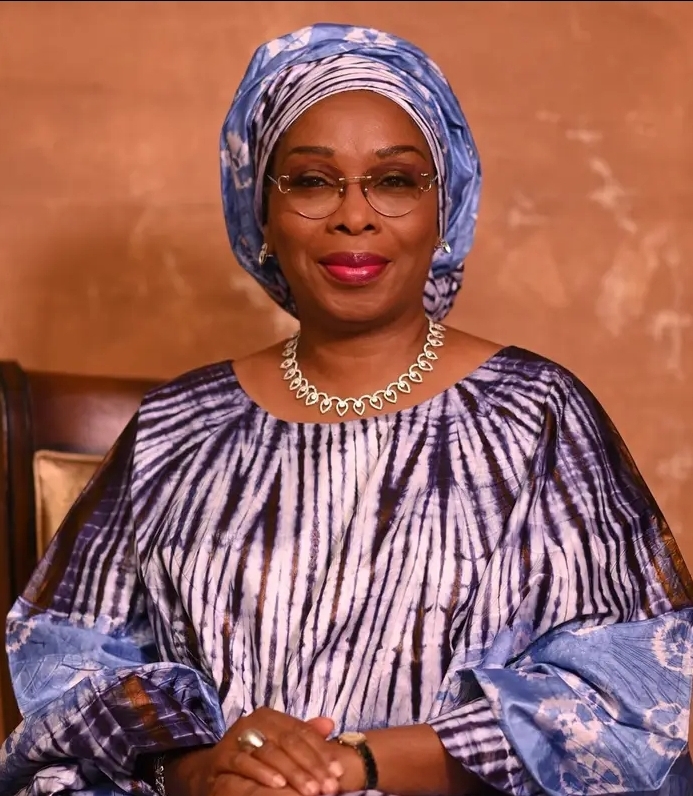
A chieftain of the All Progressives Congress (APC), Modele Sarafa-Yusuf, has called for a shift in Nigeria’s political culture, urging stakeholders to prioritise competence and performance over regional considerations in the selection of leaders.
By Abdulrahman Aliagan,
A chieftain of the All Progressives Congress (APC), Modele Sarafa-Yusuf, has called for a shift in Nigeria’s political culture, urging stakeholders to prioritise competence and performance over regional considerations in the selection of leaders.
Speaking during an interview on March 20, 2026, Sarafa-Yusuf argued that leadership in a democracy should be determined by the ability to deliver results rather than by geographical origin or zoning arrangements. She described the idea that only individuals from certain states or towns should contest political offices as undemocratic and exclusionary.
According to her, “Democracy thrives on inclusiveness, healthy competition, and the freedom of choice,” stressing that restricting political participation based on location reduces the chances of electing the most qualified candidates.
“Democracy thrives on inclusiveness, healthy competition, and the freedom of choice,”
— Modele Sarafa-Yusuf
Sarafa-Yusuf maintained that Nigeria’s political history already demonstrates that leadership is not weakened when individuals from the same areas emerge consecutively.
She noted that the country has had multiple Heads of State from the same locations, including Minna, Kano, and Katsina, without undermining national unity.
She also cited Kogi State as a contemporary example, pointing out that both the immediate past and current governors are from Okene, yet governance and public acceptance have not been adversely affected.
The APC chieftain warned that rigid adherence to zoning and rotational arrangements could limit the democratic space and deny citizens the opportunity to choose from a wider pool of capable leaders. Instead, she advocated for a system where candidates are evaluated based on vision, track record, and capacity to deliver tangible results.
Sarafa-Yusuf therefore called on political parties, stakeholders, and voters to embrace merit-based leadership selection, insisting that such an approach would strengthen democratic institutions and improve governance outcomes across Nigeria.