


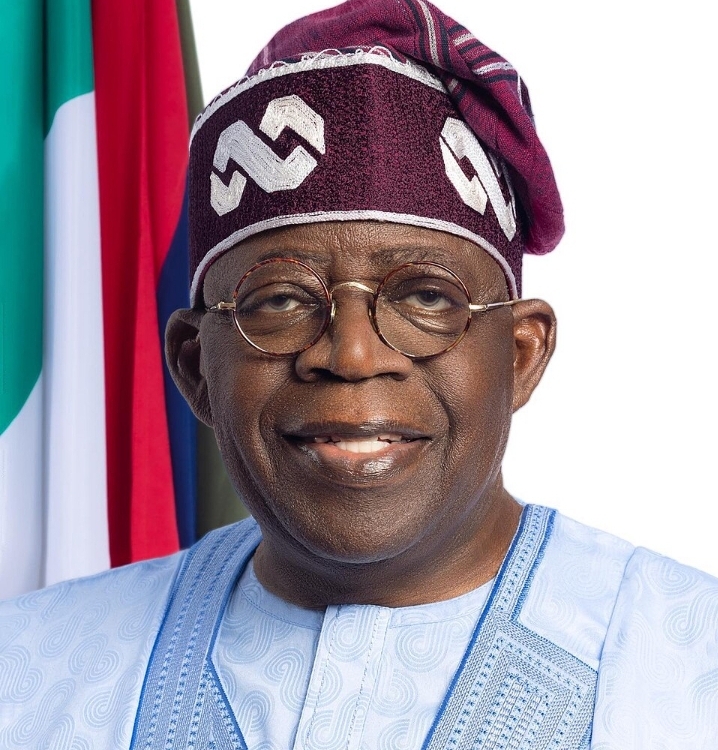
Nigerian democracy has become transactional and hollow. Our political space has become a marketplace where ideologies are traded for personal gain. Politicians, after winning elections under one political party, shamelessly defect to the ruling party—often not for ideological alignment but for political protection and personal advancement. This practice has eroded the sanctity of opposition politics, inching Nigeria dangerously toward a one-party state where dissent is stifled and rubber-stamp governance is normalized.
Published by Time Nigeria Magazine
On this day, June 12, we join millions of Nigerians in solemn remembrance and national reflection. June 12 is not just a date etched in history—it is a symbol of the people’s will, a legacy of democratic resistance, and a reminder that sovereignty belongs to the people. It is the story of a stolen mandate, the resilience of the Nigerian spirit, and the ideal that democracy must be of the people, by the people, and for the people.
Today, over three decades after the annulled 1993 presidential election won by the late Chief MKO Abiola, Nigerians are still grappling with many of the issues June 12 was meant to resolve—freedom, justice, good governance, and equitable development. Instead of progressing toward the democratic promise June 12 holds, our nation appears trapped in a cycle of regression, inequality, insecurity, and political manipulation.
Nigeria, blessed with vast human and natural resources, has become a paradox of poverty in the midst of plenty. Over 133 million Nigerians are now classified as multi-dimensionally poor, according to recent data from the National Bureau of Statistics. Basic amenities—clean water, electricity, healthcare, and quality education—are still luxuries in many parts of the country. Nigeria also has the highest number of out-of-school children in the world, estimated at over 20 million, and thousands more who are forced into street begging or hawking just to survive. These children are not just statistics—they are the nation’s failed promise and abandoned future.
Insecurity continues to escalate with frightening regularity. Bandits, kidnappers, gun runners, and terrorists operate freely in several parts of the country, rendering highways unsafe and farmlands inaccessible. Citizens live in fear while the state appears either overwhelmed or complicit. The Nigerian security architecture is stretched thin, while the political elite enjoy state-funded protection and luxury.
Nigerian democracy has become transactional and hollow. Our political space has become a marketplace where ideologies are traded for personal gain. Politicians, after winning elections under one political party, shamelessly defect to the ruling party—often not for ideological alignment but for political protection and personal advancement. This practice has eroded the sanctity of opposition politics, inching Nigeria dangerously toward a one-party state where dissent is stifled and rubber-stamp governance is normalized.
Even more troubling is the increasing personalization of state power. The President, Bola Ahmed Tinubu, now presides over a government where family members have become de facto power brokers. The Office of the First Lady—despite not being recognized by the Nigerian Constitution—has returned with grandeur under the control of Mrs. Oluremi Tinubu. Meanwhile, their son, Seyi Tinubu, has become a disruptive force within the youth sector, allegedly using his influence to interfere in student unionism and youth policymaking. This overreach is not just inappropriate—it is dangerous and must be checked. Nigeria is not a monarchy; it is a constitutional democracy.
Time Nigeria Magazine calls on President Bola Ahmed Tinubu to live up to the democratic ideals that June 12 represents. Democracy is not about dynastic control, elite capture, or the recycling of political privileges—it is about service, inclusion, and respect for the rule of law. Mr. President must rise above familial interests and restrain his son, Seyi Tinubu, from arrogating undue influence over national institutions and youth platforms. The involvement of family members in governance without electoral mandate or accountability breeds resentment and undermines public trust.
We also urge the government to declare a national emergency on poverty, education, and insecurity. The streets of Nigeria are brimming with restless, jobless, and angry youth—not because they lack talent or ambition—but because the system has failed them repeatedly. Prioritize education funding. Create jobs. Reform security. Strengthen democratic institutions. Uphold the independence of the judiciary and protect press freedom.
Conclusion
June 12 was a fight for the soul of Nigeria. It was about transparency, justice, and the right of citizens to choose their leaders without fear or imposition. As we commemorate this day, we must ask ourselves: Are we honoring that legacy or betraying it?
Time Nigeria Magazine stands with the people of Nigeria in calling for a return to true democratic values. Let June 12 not be remembered only as a holiday or historical event, but as a national conscience—forever reminding us of what must never be lost: the power of the people, the dignity of the poor, and the supremacy of the Constitution.
Signed,
The Editorial Board
Time Nigeria Magazine