


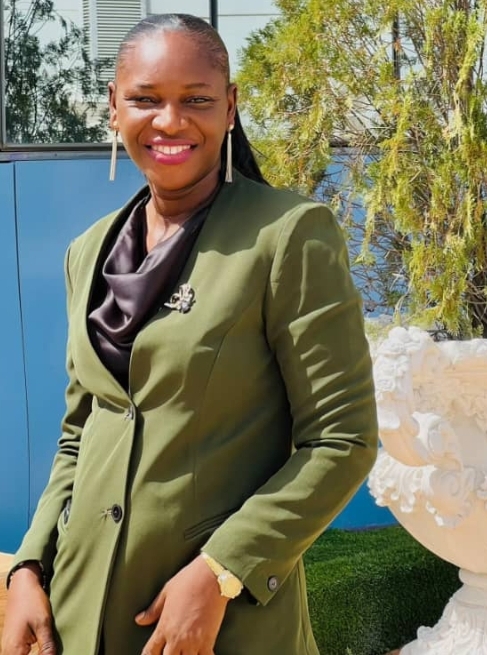
By Omonon Chidi-Nwafor
“No nation heals by ignoring the pain of its people. True recovery begins when we connect compassion with action, and sustainability with service.”
The Cry Beneath the Silence
Across our communities, the rise of synthetic drug use and the silent epidemic of mental-health struggles have become defining challenges of our time. From the streets of Lagos to the creeks of the Niger Delta, young Nigerians are fighting unseen battles, many against substances, others against despair. This is not just a public-health issue; it is a mirror reflecting our collective disconnection, economic strain, and social neglect.
As a patriotic Nigerian working with the Flag Foundationof Nigeria, I have witnessed firsthand how community resilience, compassion, and partnership can restore dignity to lives once written off. And as we stand shoulder to shoulder with the National Drug Law Enforcement Agency (NDLEA), one of Nigeria’s most courageous institutions, it has become clear that enforcement alone cannot heal a nation. We must move from reaction to regeneration, from punishment to purpose, and from crisis management to sustainable recovery.
Drugs, Despair and Disconnection
Nigeria’s synthetic-drug epidemic is more than a fight against illegal substances; it is a symptom of deeper imbalances. Many of our youths are trapped in cycles of unemployment, poverty, and hopelessness. When economic growth leaves too many behind, when communities crumble under insecurity, and when mental-health care remains stigmatized and inaccessible, the ground becomes fertile for addiction and despair.
The 2018 UNODC Drug Use Survey revealed that nearly 15 million Nigerians, which shows that one in seven adults had used drugs at least once in the previous year, one of the highest rates in the world. Since then, synthetic substances have spread faster, often mixed and sold cheaply, devastating families and communities alike. Yet beneath this crisis lies an opportunity: to rebuild our response around human dignity, sustainability, and inclusion.
NDLEA and the Power of Partnerships
The NDLEA’s renewed drive under its current leadership has rekindled public trust. But the agency’s fight will only be sustainable when it is shared. True success depends on multi-sectoral partnerships; government agencies, foundations, private innovators, and community leaders uniting under a single purpose.
The Flag Foundation of Nigeria, in collaboration with local mental-health networks, champions community-based rehabilitation that places healing above stigma. We believe that when rehabilitation centers are integrated into communities not hidden away, recovery becomes a shared journey. Every rehabilitated youth can become a mentor, every success story a spark of hope.
Digital Health as a Bridge for Recocery
Nigeria’s greatest resource is not its oil or minerals, but its people especially our young, tech-savvy generation. Through digital-health innovation, we can transform recovery access nationwide. Telemedicine, mobile counseling, and data-driven outreach can connect those in crisis to care even in remote areas.
Imagine NDLEA’s rehabilitation units connected to a national digital-recovery platform, powered by telepsychiatry, data analytics, and real-time progress tracking. This would not only expand reach but ensure accountability and transparency. Organizations like SmartData and partners such as UniDoc have already demonstrated how virtual care technologies can bridge health-care gaps. The same model can be adapted to substance-use and mental-health recovery, making healing scalable and sustainable.
A framework for Sustainable Recocery — People, Planet, Purpose
To heal Nigeria sustainably, we must root our interventions in three interconnected pillars:
1. People: Empower communities through awareness, skills training, and inclusive recovery centers powered by compassion and clean energy. Create pathways for rehabilitated individuals to gain livelihoods, contribute to society, and reclaim self-worth.
2. Planet: Design eco-friendly rehabilitation facilities, use renewable energy, and integrate environmental therapy such as community gardening, recycling, and urban green spaces that promote mental wellness. Healing the land can help heal the mind.
3. Purpose: Align every intervention with the Sustainable Development Goals — particularly SDG 3 (Good Health and Well-being), SDG 8 (Decent Work), SDG 11 (Sustainable Cities), and SDG 16 (Peace, Justice, and Strong Institutions). Sustainability ensures that today’s recovery efforts become tomorrow’s resilience.
Policy, Leadership, and Collective Action
The Nigerian government has already taken commendable steps through the NDLEA’s strengthened operations and mental-health policy initiatives. However, the next frontier requires policy integration — where drug control, mental-health care, and sustainability are no longer treated as separate agendas.
Policymakers must create tax incentives for organizations that invest in green rehabilitation centers and digital-recovery tools. State governments can partner with private innovators and community foundations to decentralize mental-health access. Our universities can embed sustainability and mental-health literacy into curricula, nurturing the next generation of informed citizens.
Healing Nigeria from the Inside Out
At its heart, this is about national renewal. When we heal a young person struggling with addiction, we heal a family. When we empower communities to sustain themselves, we strengthen our democracy. When we care for our planet, we restore the environment that sustains all life.
The NDLEA’s courage on the frontlines, the Flag Foundation’s commitment to people and planet, and the resilience of countless Nigerian families together form the backbone of a movement that transcends enforcement, it is about restoration.
Nigeria’s sustainable recovery will not come from foreign prescriptions but from the collective compassion of her people. Let this generation be remembered as the one that turned crisis into continuity, pain into progress, and despair into dignity.
“When we treat recovery as a national mission — rooted in sustainability and compassion — we give every Nigerian a reason to believe again.”
Omonon is a Counselor/Recovery Coach and Head of Programs at Flag Foundation of Nigeria, Contact: omydel@yahoo.com,
07069288295 (Whatsapp)