


By Azi Peter, Jos
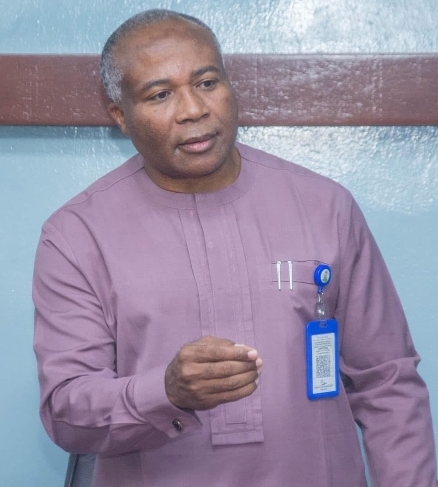
The Jos University Teaching Hospital (JUTH) has undergone remarkable transformation in recent years under the leadership of its Chief Medical Director, Dr. Pokop Bupwatda, whose inclusive and reform-driven administration has repositioned the tertiary health institution as one of the leading referral centres in the North-Central region and beyond. JUTH, commissioned in April 2007 and later moved to its permanent site at Nukpis, Jos North Local Government Area in 2010, provides specialised healthcare services to patients from Plateau State and neighbouring states across the North-Central, North-East and North-West geopolitical zones. The hospital also serves as a training ground for various categories of health professionals, including medical doctors, nurses, medical laboratory scientists, nutritionists, dieticians and health records officers, thereby contributing significantly to human capital development in the health sector.
The hospital’s leadership trajectory has been shaped by successive administrations, beginning with Prof. Ishaya Pam, Professor of Obstetrics and Gynaecology, who served as Chief Medical Director, followed by Prof. Edmund Bwanwat. During Prof. Bwanwat’s tenure, Dr. Pokop Bupwatda functioned as Chairman of the Medical Advisory Committee, where he acquired practical experience in administration and human relations. His appointment as Acting Chief Medical Director and subsequent confirmation as substantive CMD by the Federal Government of Nigeria was widely viewed as a reward for dedication, competence and institutional knowledge.
Before Dr. Pokop assumed office, the hospital was confronted with numerous challenges that affected service delivery and staff morale. These included frequent industrial disputes arising from unpaid promotion arrears, shortage of consumables, malfunctioning medical equipment, prolonged salary arrears owed to outsourced staff such as security personnel, cleaners and gardeners, as well as severe infrastructural deficits. The strained relationship between the hospital and its host community had also resulted in repeated protests and confrontations, creating an atmosphere of tension that further undermined effective healthcare delivery.
Upon assumption of office, the CMD immediately took steps to confront these challenges head-on. One of his major achievements has been the restoration of cordial and sustainable relations with the host community, which has brought about relative peace and stability within and around the hospital environment. Through deliberate engagement and inclusive dialogue, the hospital has regained the trust of the community, thereby creating a more conducive atmosphere for both staff and patients.
Under Dr. Pokop’s leadership, JUTH has strengthened institutional partnerships with several organisations and government agencies within and outside the hospital ecosystem. These include the Federal College of Medical Laboratory Sciences and Technology, the College of Medical Sciences of the University of Jos, the National Film Institute, the Citizenship and Leadership Training Centre, the National Youth Development Centre, as well as agencies of the Plateau State Government. These collaborations have not only enhanced academic and professional training but have also attracted support from philanthropists and international organisations, leading to improved infrastructure and service delivery within the hospital.
The hospital has recorded significant infrastructural development in recent years, reflecting the administration’s commitment to modernising facilities. The Accident and Emergency Unit has been renovated through the intervention of Hon. Kefas Ropshik, while the expansion of the theatre complex has greatly boosted the hospital’s surgical capacity. The Advanced Diagnostic Centre being developed in partnership with the Nigeria Sovereign Investment Authority is nearing completion, while the psychiatric wards and administrative blocks are at various stages of development. The pharmaceutical store and laundry unit have been completed, and internal road networks have been constructed and rehabilitated to improve mobility within the hospital premises. The Amenity Ward has also been completed and put to use, providing improved comfort for patients who can afford premium services.
In addition to physical infrastructure, attention has been given to security, technology and efficiency. The installation of solar-powered streetlights has enhanced security and night-time operations within the hospital. New medical equipment and surveillance facilities have been procured, while the introduction of internet facilities has supported the gradual transition from manual patient records to smart card-based documentation. The establishment of an ICT department has further strengthened the hospital’s capacity for efficient data management and service delivery. The Servicom and Public Relations units have been repositioned to ensure that patients have accessible channels to report misconduct, poor service delivery or corruption, while the provision of modern communication gadgets to security personnel has contributed to a reduction in cases of theft within the hospital environment.
Labour relations have also improved considerably under the current administration. Engagement with unions has become more constructive, reducing internal conflicts that previously disrupted hospital activities. The Association of Resident Doctors and other staff groups have benefited from a more inclusive leadership approach, including the allocation of land for the construction of secretariat buildings. One of the most significant interventions has been the clearance of over three years of salary arrears owed to outsourced staff, a development that restored dignity and hope to workers who had long endured hardship. The subsequent upward review of their monthly wages from eighteen thousand naira to thirty thousand naira, alongside prompt payment of salaries, has further boosted morale and productivity among this often-overlooked category of workers.
Members of the host community have expressed appreciation for the leadership style of the current CMD, noting that the hospital now relates more responsibly with its immediate environment. Some community members, who spoke on condition of anonymity, explained that when outsourced staff were unpaid, they often became a burden on the community where they resided. They observed that the prompt settlement of salary arrears and the improved welfare of workers have eased social pressures within the community, while the hospital’s renewed commitment to corporate social responsibility has strengthened mutual trust and cooperation.
Plateau Man of the Year Awards: Late Gwomwalk, Lar and Pwajok Honoured Posthumously
By Azi Peter
The 11th edition of the Plateau Man of the Year Awards, held at the Osuji Event Centre in Jos, brought together prominent personalities from across Plateau State to celebrate excellence, service and leadership in various spheres of human endeavour. The event, which coincided with the commemoration of Plateau State at 50, witnessed the conferment of awards on fifty distinguished individuals whose contributions have shaped the political, social, cultural and economic development of the state.
Three of Plateau State’s most iconic leaders, the late Chief J.D. Gwomwalk, the late Chief Solomon Lar and the late Chief G.N.S. Pwajok, were honoured with posthumous awards in recognition of their enduring legacies and foundational roles in the growth and development of the state. Their recognition drew emotional tributes from attendees, many of whom described the awards as a fitting reminder of the sacrifices and visionary leadership that laid the groundwork for Plateau’s contemporary identity.
The convener of the event, Ambassador Cletus Akhime, expressed profound gratitude to the people of Plateau State for their sustained support of the initiative over the years. He described the Plateau Man of the Year Awards as a platform designed to project the state positively to the world, promote peace and celebrate the rich cultural heritage of the Plateau people. According to him, the initiative is not a personal project but a collective effort aimed at repositioning Plateau State on the global stage as a land of peace, diversity and opportunity.
Ambassador Akhime used the occasion to call on well-meaning individuals and organisations to support the Face of Plateau Pageant, an initiative he said is targeted at empowering the girl child and promoting positive values among young people. He emphasised that Plateau State is endowed with immense human potential that deserves recognition and encouragement. He added that celebrating achievers, especially while they are still alive, serves as motivation for younger generations to pursue excellence and service to society.
Several individuals and organisations were also honoured for their outstanding contributions in their respective fields, including media, entrepreneurship, creative arts, public service and leadership. The event attracted a large turnout of politicians, academics, entrepreneurs, traditional rulers and youths from across the state, underscoring the growing relevance of the Plateau Man of the Year Awards as a unifying platform for celebrating excellence and fostering a shared vision of progress and peace for Plateau State.