


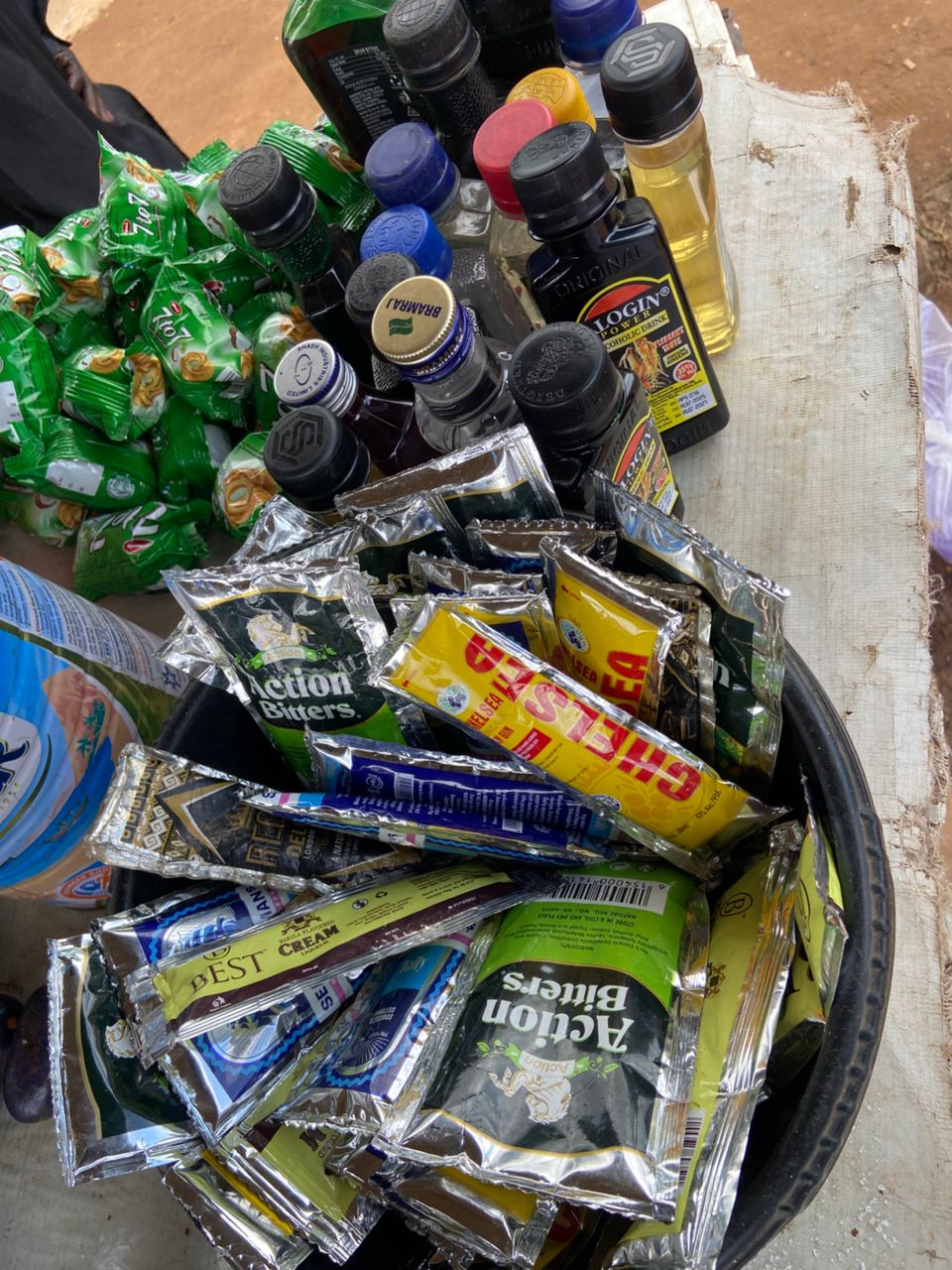
Drugs in their abuses shapes and sizes!
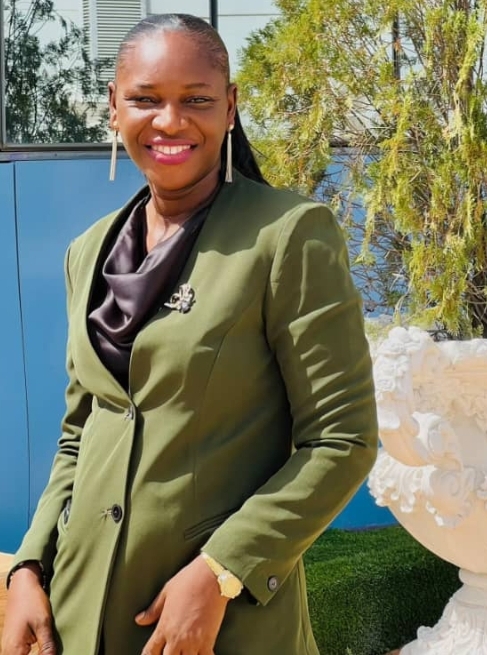
By Omonon Chidi-Nwafor
In the border town of Idiroko, Ogun State, 19-year-old Kunle once dreamed of joining the Navy. Today, he wanders the streets, dazed, muttering to himself, clutching a plastic bottle filled with a dark mixture of cough syrup and alcohol. What started as a friend’s “harmless fun” after football practice quickly spiraled into addiction and psychosis. Kunle’s story, though tragic, mirrors a growing crisis—Nigeria’s silent wave of synthetic drug abuse and its devastating mental health toll.
For years, cannabis and tramadol dominated Nigeria’s drug landscape. But a dangerous new trend is taking root: cocktails of synthetic and homemade substances mixed from cough syrups, ethanol, and codeine derivatives. Unlike traditional narcotics, these synthetic mixes are unpredictable and potent—capable of altering brain chemistry in ways that medical science is only beginning to understand.
According to the United Nations Office on Drugs and Crime (UNODC), Nigeria’s national drug use prevalence now stands at 14.4%, nearly three times the global average of 5.5%. More than 3 million Nigerians currently suffer from drug use disorders—ranging from dependency to severe mental health breakdowns. The National Drug Law Enforcement Agency (NDLEA) warns that this epidemic is shifting rapidly toward synthetic substances, especially among youth aged 15 to 35.
What Are These Synthetic Mixes?
“Monkey tail,” “skrushy,” “loud,” “Charger,” “Colorado or Colos,” “black mamba,” and “Kush”— these are no longer just street slang; they are chemical time bombs circulating in homes, hostels, and clubs across Nigeria. These substances combine local herbs, synthetic cannabinoids, alcohol, codeine, tramadol, or even formaldehyde-based chemicals. Their low cost and easy accessibility make them a dangerous substitute for more expensive imported drugs.
In local communities, brewers mix these cocktails without scientific knowledge or quality control. Some use industrial solvents, gasoline, or painkillers dissolved in alcohol to enhance potency. The results are erratic highs followed by hallucinations, aggression, or deep depression.
NDLEA’s recent operations in Lagos, Kano, Aba, etc. uncovered underground labs producing synthetic cannabis using chemicals imported under false declarations. “These new substances are more toxic, more addictive, and more destructive,” an NDLEA officer said during a recent press briefing.
The problem, however, is not limited to trafficking. Synthetic drugs are being manufactured locally—a shift from Nigeria’s historical role as a transit point to a production hub. This makes detection, regulation, and rehabilitation far more complex.
Health & Mental Health Impacts
The physical effects of synthetic drug abuse are severe—ranging from organ failure, stroke, and cardiovascular collapse to irreversible brain damage. Yet, it is the mental health consequences that are tearing silently through families and communities.
Psychiatrists at Lagos University Teaching Hospital report rising cases of drug-induced psychosis among young adults. Patients arrive with symptoms of paranoia, auditory hallucinations, violent outbursts, and suicidal tendencies. Many require months of inpatient treatment and relapse soon after discharge due to lack of continued care.
“These substances alter dopamine pathways in the brain, causing rapid psychological instability,” says Dr. Funke Ogundipe, a clinical psychologist. “We’re seeing more young people with permanent cognitive damage—unable to study, work, or even recognize their families.”
In Lagos State alone, an NDLEA-backed study revealed that 13.6% of secondary school students have experimented with drugs, while 6.9% are active users. Nationwide, over 14.3 million Nigerians aged 15–64 use psychoactive substances, with 10.6 million using cannabis. The growing use of synthetics only deepens the burden on Nigeria’s fragile mental health system, where fewer than 300 psychiatrists serve a population of over 200 million.
Current Response by NDLEA, Government, and NGOs
The NDLEA, under its current leadership, has stepped up enforcement, seizing over 1,500 tonnes of illicit substances between 2023 and 2024. The agency has also intensified public education through campaigns like “War Against Drug Abuse (WADA)”, focusing on schools, religious institutions, and border communities.
However, enforcement alone is not enough. Rehabilitation remains one of the weakest links in Nigeria’s anti-drug ecosystem. Most state-owned rehab centres are overcrowded, underfunded, or ill-equipped to handle cases involving synthetic substances that require psychiatric care.
NGOs such as the Flag Foundation of Nigeria, alongside faith-based groups, have begun bridging the gap—offering counselling, community rehabilitation, and awareness programs. Yet, the scale of the crisis dwarfs their reach. “For every addict we help, there are ten more waiting for support,” notes a counsellor with the Foundation.
Compounding the problem is the stigma surrounding addiction. Many families prefer to hide affected relatives rather than seek help, feeding cycles of neglect, relapse, and homelessness.
Technology & Community-Based Innovations
To break the silence, innovative strategies are emerging. Telemedicine platforms are beginning to offer discreet addiction counselling, allowing youths to seek help anonymously. Mobile health apps can now connect patients to licensed psychologists, share coping resources, and monitor recovery progress.
Community-based peer education has also shown promise. In some border states, NDLEA collaborates with youth leaders and religious figures to train local “drug prevention champions.” These volunteers identify early signs of abuse, offer guidance, and refer victims for treatment.
There’s growing advocacy for the establishment of data-driven early warning systems, where health workers and schools can report emerging drug trends in real time. Such systems could allow NDLEA and health ministries to respond swiftly before localised problems become national crises.
Policy Proposals & Recommendations:
To curb the synthetic drug epidemic and its mental health fallout, Nigeria needs a coordinated, evidence-based approach anchored on prevention, treatment, and rehabilitation. Key policy directions include:
- Strengthening Forensic and Chemical Testing Labs:
- Equip NDLEA and border facilities with modern laboratories to identify synthetic compounds quickly.
- Partnerships with universities could enhance research and data collection.
- Training Healthcare Workers in Mental Health and Addiction Treatment:
- Integrate substance use disorder management into the national health curriculum.
- Each state should have at least one dedicated mental health and rehabilitation centre.
- Legal and Regulatory Reform:
Review existing drug control laws to include synthetic and designer substances. - Enforce stricter penalties for illegal production and distribution of these compounds.
- Public Education and Behavioural Campaigns:
Move beyond scare tactics—develop school-based prevention programmes that teach coping skills, resilience, and emotional intelligence. - Increased Funding:
Allocate dedicated budgets to NDLEA, the Ministry of Health, and community NGOs for sustained prevention and rehabilitation work. Investment in mental health should be treated as a national security priority. - Community-Driven Models:
Encourage local governments, traditional institutions, and civil society to co-own anti-drug initiatives. Community rehabilitation centres and mentorship programmes can rebuild lives from the grassroots up.
Conclusion: Protecting Futures, Saving a Nation
Drug abuse, especially of synthetic substances, is not just a personal tragedy—it is a national emergency. It erodes human potential, weakens communities, and undermines the very fabric of Nigeria’s future. Every addict lost to psychosis, every youth destroyed by addiction, represents a talent the nation cannot afford to waste.
As NDLEA continues its valiant efforts and organizations like the Flag Foundation press on with community rehabilitation, the message must be clear: enforcement is only half the battle. True victory lies in prevention, compassion, and rehabilitation—in giving victims like Kunle a chance to reclaim their lives.
Nigeria’s war against synthetic drugs is, ultimately, a fight for the soul of its youth. The time to act is now—before more dreams dissolve into the silent shadows of addiction.
Omonon Chidi is a Counselor and Recovery Coach who currently heads the Programs Unit at the Flag Foundation of Nigeria. She advocates for community-based rehabilitation and youth-focused interventions in Nigeria’s fight against substance abuse.
Contact: omydel@yahoo.com | 0706 928 829