


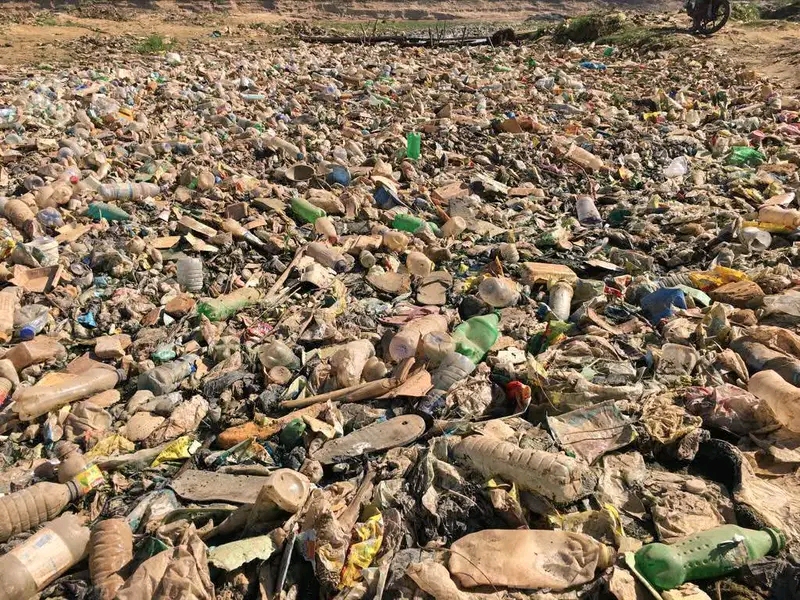
Across many African cities, gutters and drainage systems are increasingly choked with plastic waste. What might appear to be a small act tossing a plastic bottle, sachet, or shopping bag into the gutter—actually contributes to a much larger environmental and public health disaster.
By Ibrahima Yakubu,
Across many African cities, gutters and drainage systems are increasingly choked with plastic waste. What might appear to be a small act tossing a plastic bottle, sachet, or shopping bag into the gutter—actually contributes to a much larger environmental and public health disaster.
Plastics are not biodegradable; they remain in the environment for hundreds of years, breaking down into smaller fragments known as microplastics. When these plastics block drainage systems, the result is severe flooding, especially during the rainy season. Floodwaters often damage homes, roads, and markets, while stagnant pools become breeding grounds for mosquitoes and other disease-carrying insects.
This directly increases the spread of malaria, cholera, and other waterborne illnesses that affect thousands of people every year.
In addition to health and environmental impacts, there is a significant economic burden. Governments and city authorities spend millions annually clearing blocked drains and repairing infrastructure damaged by flooding—funds that could have been invested in education, healthcare, or youth development.
Furthermore, plastic pollution poses a hidden threat to food security. Microplastics from discarded waste find their way into rivers and oceans, where they are ingested by fish and other aquatic creatures. These plastics eventually enter our food chain, putting human health at further risk.
The solution begins with awareness and responsibility. Citizens must stop treating gutters as dumping grounds and instead adopt proper waste disposal practices. Recycling, reducing plastic use, and supporting eco-friendly alternatives are key steps toward sustainable living. Governments, community leaders, and environmental groups must work hand in hand to enforce waste management laws and promote environmental education.
Protecting our environment is a shared duty. Every plastic item improperly discarded contributes to a collective problem—but every responsible action brings us closer to cleaner cities, healthier communities, and a safer planet for future generations.
Ibrahima Yakubu – Science and Environmental Journalist, Head of Communication and Strategies, African Climate Reporters
www.africanclimatereporters.com
Email: ibrahimayakubu@gmail.com
2347038967344