


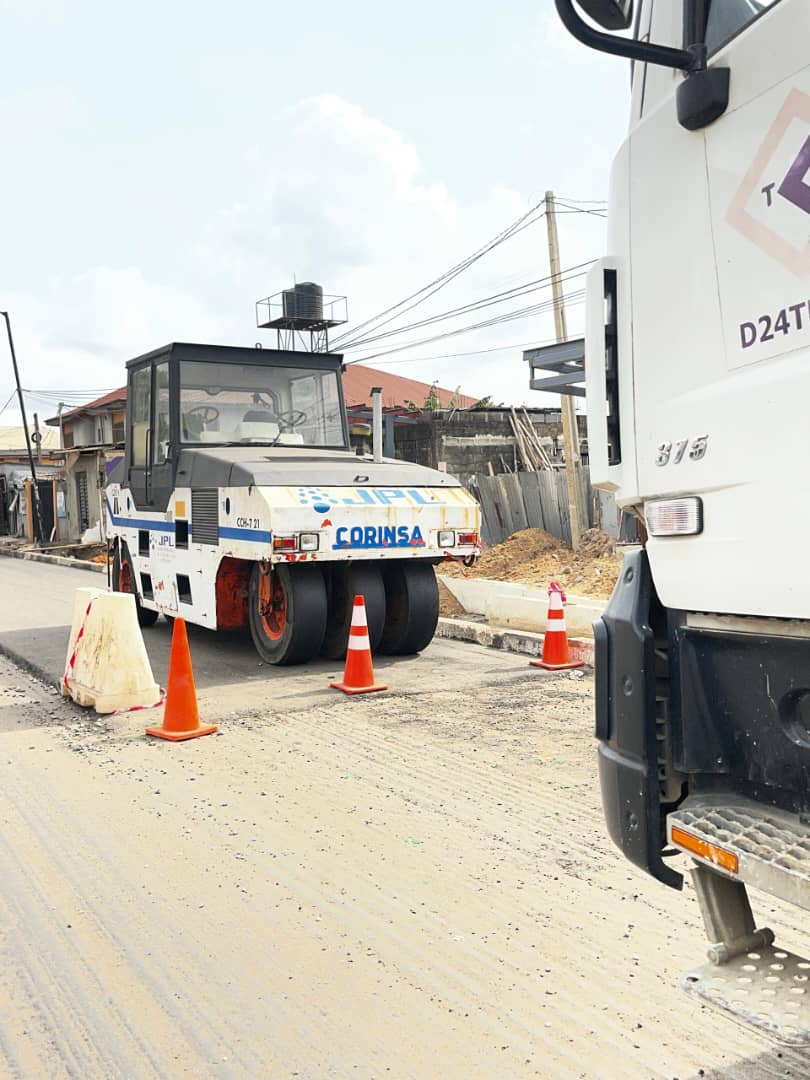
Residents of Ifako-Ijaiye Local Government Area are witnessing a new phase of infrastructural transformation as key transportation projects begin to reshape mobility and economic activity within the constituency. At the heart of this development is the ongoing rehabilitation and resurfacing of Iju Road, alongside the introduction of the Quality Bus Corridor (QBC) along the Iju–Agege-Abule-Egba transport route.
The projects represent a strategic step toward improving road infrastructure, strengthening public transport systems, and enhancing connectivity across several communities within the local government area; this is a total shift from the norm previously known.
For decades, Iju Road has served as one of the most important road networks connecting Iju-Ishaga, Abule-Egba, Agege, Agbado and adjoining communities leading to neighbouring Ogun State. The road plays a crucial role in the daily movement of residents, goods, commercial operators, and commuters traveling to other parts of Lagos.
However, years of heavy usage and increasing population growth placed significant pressure on the road infrastructure, making rehabilitation necessary. The ongoing project focuses on total resurfacing of the entire stretch of the road, strengthening its structure, and improving drainage to ensure long-term durability.
Beyond restoring the road surface, the rehabilitation effort is expected to significantly improve traffic flow, reduce travel time, and enhance the overall commuting experience for thousands of residents who depend on the route daily.
In addition to the road project is the introduction of the Quality Bus Corridor initiative along the Iju–Abule-Egba axis. The project forms part of Lagos State’s broader effort to modernise urban transportation and improve the efficiency of public transit across the state.
The QBC model is designed to enhance bus operations along major transport routes by upgrading road infrastructure, improving traffic management systems, and providing better facilities for commuters.
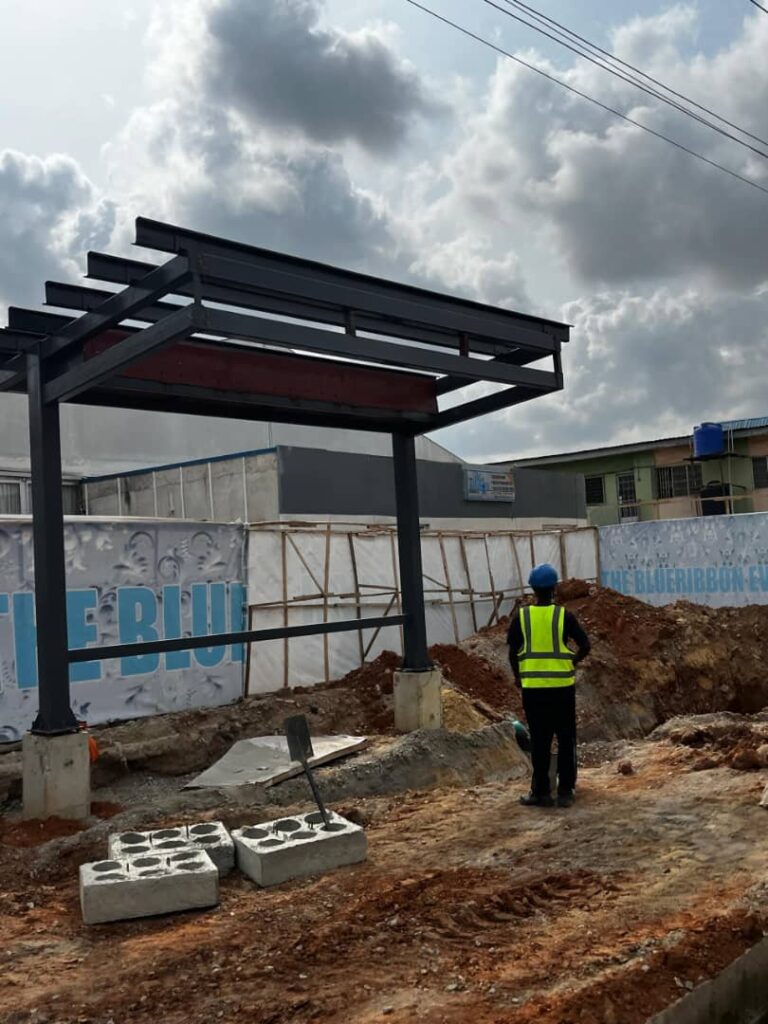
Under the initiative, several improvements are expected along the corridor, including upgraded bus stops which are already underway, improved pedestrian walkways, traffic signal optimisation, and enhanced safety measures for road users.
These upgrades are aimed at making bus transportation faster, more reliable, and more comfortable for commuters while also reducing congestion along one of the busiest corridors in the area.
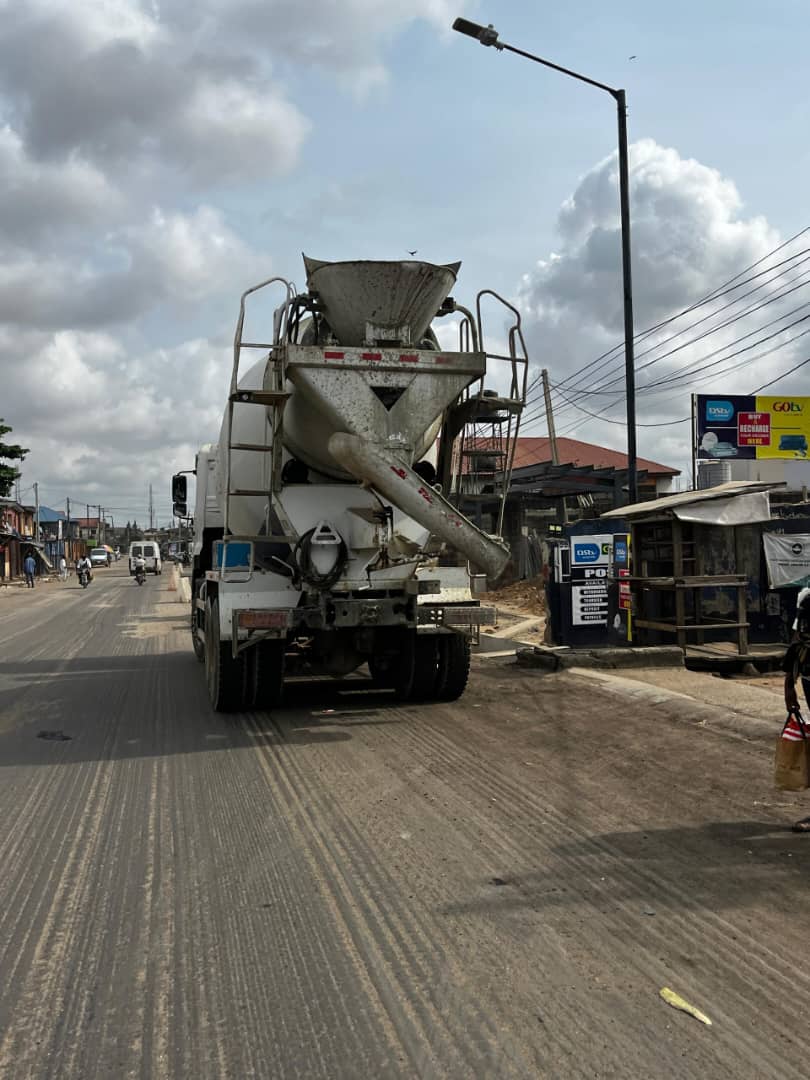
The Iju–Abule-Egba corridor serves as a major transportation link for communities across Ifako-Ijaiye and neighbouring areas. With the introduction of the QBC system and the rehabilitation of Iju Road, residents are expected to benefit from improved connectivity and more efficient access to key commercial and residential districts.
Improved road infrastructure also plays an important role in facilitating economic activities, as easier transportation enables smoother movement of goods and services across communities.
For traders, transport operators, and small business owners, better road conditions translate into reduced vehicle maintenance costs, shorter travel times, and improved productivity which is the desire of all citizens. This project will surely reduce costs of energy spent on travel time, improve lifespan through less traffic, reduce carbon emission and help achieve better health for all.
The ongoing infrastructural improvements in Ifako-Ijaiye have become a reality through the legislative advocacy and productive engagement with relevant government agencies by Hon. Adewale Temitope Adedeji, OON, member representing Ifako-Ijaiye Constituency I in the Lagos State House of Assembly, Hon. Temitope Adewale, who is also the Chairman,House Committee on Transportation has been instrumental in facilitating groundbreaking infrastructural projects to Ifako-Ijaiye Constituency 01, all in bid to improve the social outlook and transform the economic landscape of the area.
Through continuous engagement with government authorities and stakeholders, the projects have gained the support required to address longstanding transportation challenges affecting different parts of the constituency, giving residents the joy for free movements at will.
His advocacy has contributed to ensuring that Ifako-Ijaiye remains part of the broader infrastructure development agenda aimed at transforming Lagos into a modern and well-connected megacity.
Infrastructure development remains a key driver of urban growth, and the ongoing projects within Ifako-Ijaiye reflect a broader commitment to building resilient and efficient transport systems across Lagos State.
By combining road rehabilitation with modern public transport initiatives such as the Quality Bus Corridor, the state government is laying the groundwork for a more sustainable and integrated transportation network.
For residents of Ifako-Ijaiye, the transformation of Iju Road and the introduction of the QBC initiative represent more than just road construction—they signal progress toward improved mobility, stronger local economies, and a better quality of life.
As work continues along the corridor, many residents remain optimistic that these infrastructural improvements will usher in a new era of development for the local government area.