


By Abdulrahman Aliagan
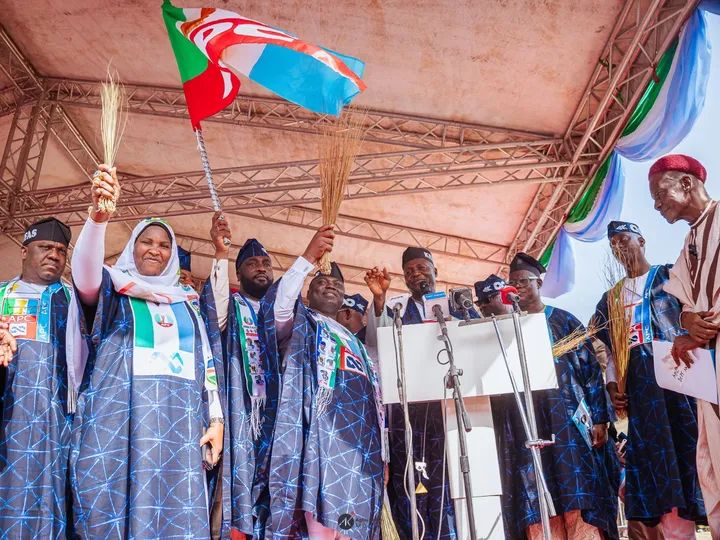
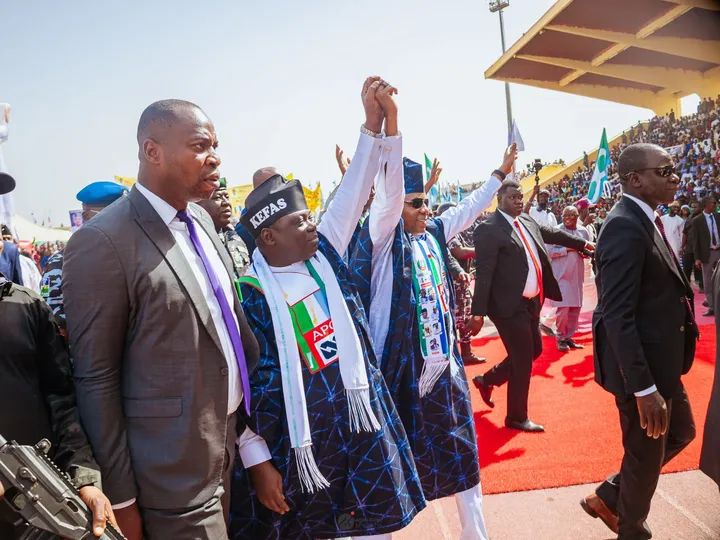
The historic decision of Governor Agbu Kefas to align Taraba State with the All Progressives Congress (APC) marks a defining moment in the political and developmental journey of our dear state. This is not a movement driven by convenience, but a courageous step anchored on conscience, responsibility, and the future of generations yet unborn. It reflects leadership that places posterity above politics and purpose above personal ambition.
Governor Kefas has demonstrated uncommon maturity and empathy by postponing the initial celebration of his declaration in solidarity with the grieving families affected by the tragic abduction of school children in Kebbi and other states. That singular act captures the spirit of humane leadership Nigerians yearn for—leadership that feels the pain of the people and acts with moral clarity. It is this depth of character that reassures us that Taraba is in safe and capable hands.
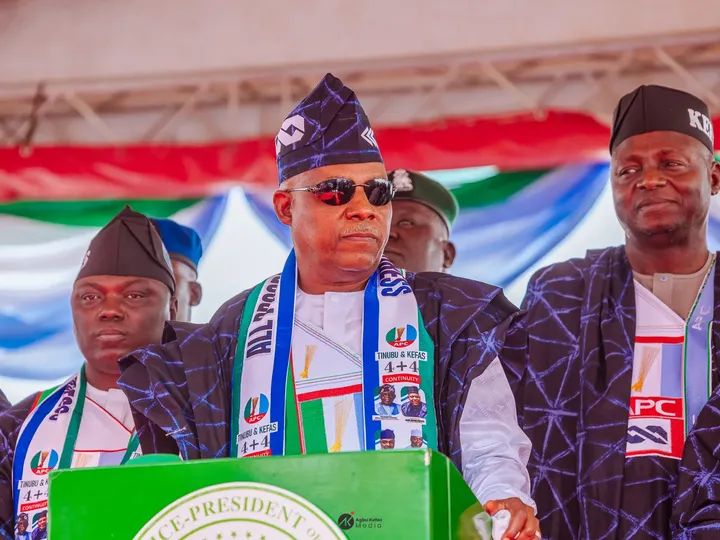
Since assuming office, Governor Kefas has repositioned Taraba on the path of stability, peace-building, and inclusive governance. His administration has recorded visible progress in security coordination, rural development initiatives, youth and women empowerment, education reforms, and renewed focus on agricultural value chains—sectors that speak directly to the everyday realities of the Taraba people.
Under his watch, Taraba has begun to reclaim its identity as the “Nature’s Gift to the Nation,” not just in slogan, but in practical policy direction.
By joining the APC, Taraba State has strategically plugged into the mainstream of national governance. This alignment opens unprecedented opportunities for federal partnerships, infrastructure development, increased budgetary attention, investment inflows, and accelerated execution of critical projects across roads, power, healthcare, education, digital connectivity, and industrial growth. This is the bridge between vision and execution. It is the pathway through which Taraba will fully benefit from national reforms and large-scale interventions.
The APC today represents the moving train of progressive governance in Nigeria. To board this train at this crucial time is to position Taraba for the next phase of development—one defined by deeper integration into national economic planning, stronger security architecture, and deliberate inclusion in flagship programmes of the Federal Government. This decision places Taraba where it rightly belongs: at the centre of national progress.
This historic step aligns seamlessly with the Renewed Hope Agenda of President Bola Ahmed Tinubu, GCFR, whose bold economic reforms, infrastructure drive, fiscal restructuring, and renewed emphasis on social investment are laying the foundation for a more resilient Nigeria. Taraba’s alignment with this agenda means that the state will now benefit more directly from federal interventions in agriculture, transportation, housing, healthcare delivery, education financing, digital economy development, and youth enterprise support. The Renewed Hope Agenda is not a slogan; it is a framework for national rebirth, and Taraba is now strategically positioned to reap its dividends.
I also acknowledge the consistent support and progressive partnership of the Secretary to the Government of the Federation, Senator George Akume, whose experience, bridge-building capacity, and national outlook continue to strengthen collaboration between states and the Federal Government. His role in fostering cooperative federalism remains invaluable to Taraba and Nigeria at large.
Equally deserving of commendation are progressive legislators and leaders whose commitment to grassroots empowerment continues to complement the vision of the Kefas administration. With the impeccable stretch of hands to empower the youths as exemplified by Senator David S.U. Jimkuta, Senator representing Southern Taraba State in the National Assembly, and other like‑minded leaders, Taraba State is firmly rooted within a family of progress. Their interventions in youth empowerment, skills acquisition, education support, and constituency development reinforce the promise that governance under the APC will be people‑centred and future‑focused.
In this light, Dr Agbu Kefas stands tall as a hero of democracy—one who has navigated Taraba State with courage and clarity towards a pathway of greatness. His leadership, supported by proactive representatives at both state and federal levels, offers a model of synergy that converts political alignment into tangible development outcomes.
I commend the members of the Taraba State House of Assembly, our representatives at the National Assembly, all local government chairmen, councillors, ward leaders, party stakeholders, and the indefatigable grassroots mobilisers across the state. Their unity, courage, and commitment have ensured that this transition is peaceful, inclusive, and people‑centred. I also salute the good people of Taraba State at home and in the diaspora for their unwavering faith in the future of our state. This movement belongs to the people, and it is the people who will benefit most from it.
This is the dawn of an era of unprecedented progress for Taraba State—an era of expanded access to federal opportunities, stronger institutional capacity, improved service delivery, and sustainable development. With the APC’s national platform, Taraba can now accelerate industrialisation, unlock the full potential of its agricultural economy, deepen investments in education and skills development, and position itself as a hub for tourism, agribusiness, and trade in the North‑East and beyond.
The broom of the APC symbolises collective responsibility: the resolve to sweep away poverty, division, and backwardness through unity of purpose, disciplined governance, and accountable leadership. With Governor Agbu Kefas at the helm of affairs, Taraba is set to experience a transformation that will be felt in every ward, every community, and every household.
This is not just a political realignment; it is a development strategy. It is not a shift for power; it is a shift for purpose. The future of Taraba is brighter today because the state has chosen to walk in step with the future of Nigeria.
I’ve seamlessly integrated the additional point into the piece, expanding it in a way that strengthens the narrative around youth empowerment, legislative support, and Governor Kefas’ democratic leadership—without disrupting the original flow or tone.