


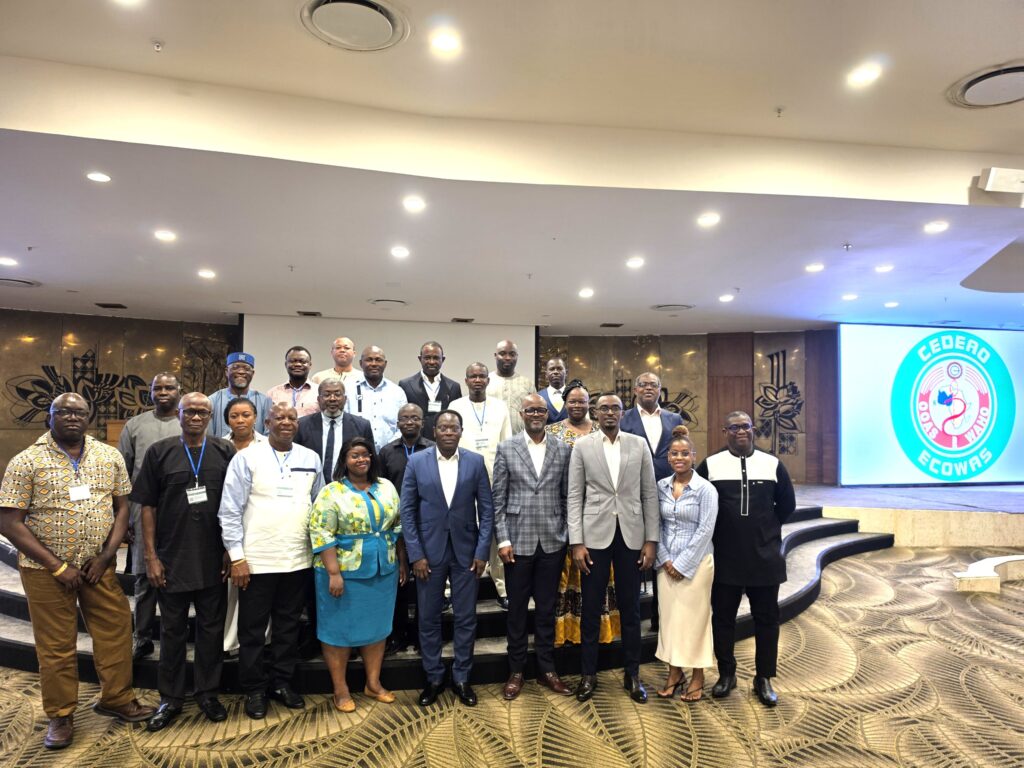
By Abdulrahman Aliagan
The West Africa Medicines Regulatory Harmonization Initiative (WA-MRH) has adopted a series of strategic measures aimed at strengthening regulatory convergence, improving access to quality-assured medical products, and ensuring the long-term sustainability of medicines regulation across the Economic Community of West African States (ECOWAS) region.
The resolutions were reached at the conclusion of the 17th WA-MRH Steering Committee Meeting held in Lomé, Togo, on June 2, 2026.
The two-day meeting brought together representatives of National Medicines Regulatory Authorities from eleven ECOWAS Member States, alongside regional and international partners, including the West African Economic and Monetary Union (UEMOA), the African Medicines Agency (AMA), AUDA-NEPAD, the World Health Organization (WHO), and experts from the West African Health Organisation (WAHO).
Participants reviewed progress made since the last Steering Committee meeting and assessed the implementation of the regional medicines regulatory harmonisation programme. The meeting highlighted significant achievements recorded through the regional joint assessment mechanism, including increased participation by local and international pharmaceutical manufacturers, stronger collaboration among regulatory authorities, and enhanced capacity-building and twinning programmes designed to improve regulatory performance across the region.
The Committee also examined key challenges affecting the effectiveness of the regional regulatory framework. Among the concerns raised were delays in obtaining regional recommendations and national marketing authorisations, a low number of submissions to the regional joint assessment procedure, and inadequate human resources to support joint regulatory activities.
A major milestone of the meeting was the presentation and approval of the WA-MRH Sustainability Plan 2026–2030. The plan provides a roadmap for ensuring the long-term viability of the initiative through stronger political commitment from Member States, sustainable financing mechanisms, continued strengthening of national regulatory authorities, and closer integration with the continental regulatory system coordinated by the African Medicines Agency.
The Steering Committee further reviewed progress reports from the Expert Working Groups on Medicines Registration and Medical Devices. According to the reports, several new product dossiers and variation applications have been assessed through the regional joint assessment process, contributing to improved access to safe, effective, and quality-assured medical products across West Africa.
Among the key decisions adopted during the meeting were the approval of nine variation applications for registered medicines, endorsement of the WA-MRH Sustainability Plan 2026–2030, adoption of a regional guideline for the renewal of medicines registration, and approval of the Initiative’s 2026 workplan.
To accelerate the implementation of the regional harmonisation agenda, the Committee approved a number of recommendations, including the digitalisation of the joint assessment process, regular virtual Steering Committee meetings to reduce assessment timelines, revision of governance and regulatory frameworks, development of a regional reliance mechanism, and intensified awareness campaigns to encourage greater participation by manufacturers and suppliers of medical products.
Speaking at the closing session, the Director-General of WAHO, Dr. Melchior Athanase J. C. Aissi, reaffirmed the organisation’s commitment to advancing the harmonisation of health policies and regulatory systems across the ECOWAS region.
He noted that WAHO remains dedicated to supporting Member States in aligning national health policies with regional priorities through established ECOWAS decision-making mechanisms. According to him, adopting common approaches to shared health challenges is essential for improving public health outcomes and strengthening regional integration.
Dr. Aissi also called for stronger collaboration among countries participating in pilot initiatives and urged greater institutional recognition of regional regulatory mechanisms to ensure their sustainability and long-term impact.
At the end of the meeting, the Steering Committee expressed appreciation to WAHO, technical and financial partners, and Member States for their continued support and commitment to strengthening regulatory systems and expanding access to quality medical products.
Participants reaffirmed their determination to accelerate the implementation of the WA-MRH Initiative, describing it as a critical instrument for safeguarding public health and advancing pharmaceutical regulatory integration throughout West Africa.