

Every month, the hospital records approximately 36,000 patient contacts. It also handles more than 300 deliveries, provides specialist consultations and supports the training of medical professionals. Beyond these figures, its services include emergency care, maternity support and interventions aimed at improving patients’ access to quality healthcare.
By Yakub Kamaldeen Aliagan,
With more than 36,000 monthly patient contacts, about 300 deliveries, expanded specialist training opportunities and free Caesarean Section support for eligible women, the Ilorin-based teaching hospital is strengthening its role in Kwara State’s healthcare system.
The growing number of patients seeking care at the Kwara State University Teaching Hospital (KWASUTH), Ilorin, tells part of the story of an institution expanding its healthcare services and responsibilities.
Every month, the hospital records approximately 36,000 patient contacts. It also handles more than 300 deliveries, provides specialist consultations and supports the training of medical professionals. Beyond these figures, its services include emergency care, maternity support and interventions aimed at improving patients’ access to quality healthcare.
For KWASUTH, however, growth comes with greater responsibility. As more people turn to the hospital for treatment, the institution must continually strengthen its facilities, personnel, equipment and systems to meet their needs.
At a recent press briefing on the hospital’s development, operational procedures and commitment to quality healthcare, its Chief Medical Director, Dr Bola Ahmed Abdulkadir, described the institution’s growing workload and the measures being taken to improve service delivery.
He said quality healthcare remains the hospital’s foremost priority. According to him, its responsibility extends beyond treating illnesses to ensuring that patients receive professional attention, compassionate care and respect throughout their hospital experience.
The figures offer an indication of the hospital’s expanding reach. They also highlight the pressure that comes with providing specialist healthcare to residents of Kwara State and neighbouring communities.
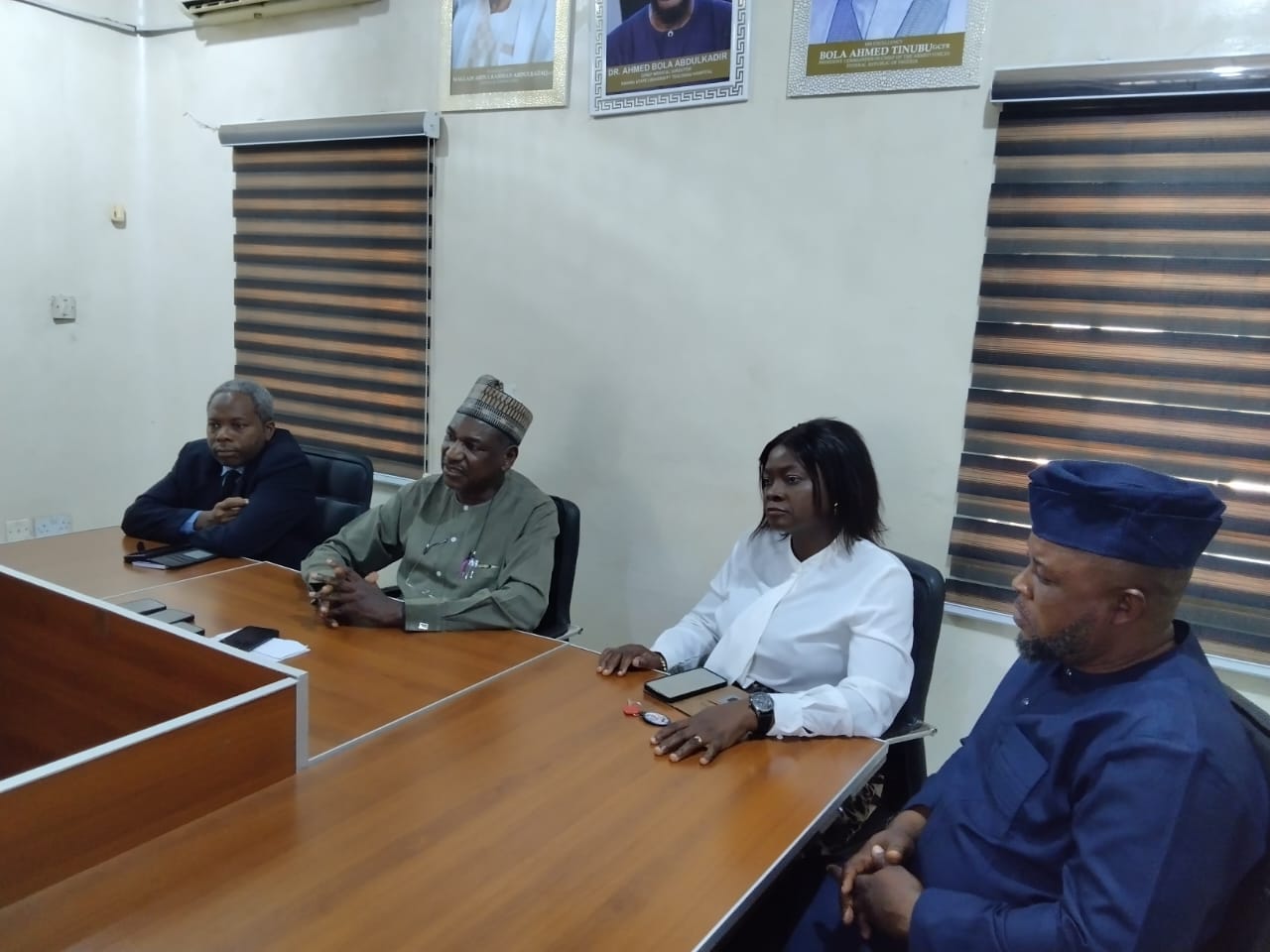
CMD KWASUTH, Dr Bola Ahmed Abdulkadir (2nd left); Dr Idowu Ogunlaja (2nd right) and other management staff at the press briefing.
Meeting the demands of a growing patient population
The increasing number of patients has placed considerable pressure on the hospital’s facilities, particularly its Accident and Emergency Unit and available admission spaces.
KWASUTH has more than 400 bed spaces. However, the rising demand for admission sometimes makes it necessary to refer patients to sister institutions, including the University of Ilorin Teaching Hospital, where appropriate.
Dr Abdulkadir explained that such referrals help ensure patients receive the care they need without undue delay.
Emergency care also follows a triage system. Under this arrangement, medical personnel assess patients according to the severity of their conditions and prioritise those whose lives are at immediate risk.
Consequently, patients with less critical conditions may have to wait while those requiring urgent intervention receive attention first.
The CMD acknowledged that patients and their relatives sometimes misunderstand the process. They may feel that others who arrived later are receiving preferential treatment. However, he explained that prioritising critical cases is an essential part of emergency medical care.
This distinction is important. In an emergency unit, the order of treatment depends on the urgency of each case, not simply the time a patient arrives.
Nevertheless, managing growing patient numbers requires more than an effective triage system. The hospital must also continue to improve its facilities, staffing levels, equipment and administrative processes to sustain quality service delivery.
Expanding maternity care and support for women
Maternal and newborn healthcare remains a significant part of KWASUTH’s service responsibilities.
The hospital records an average of more than 300 deliveries every month, reflecting its role in providing maternity services to women within and beyond Kwara State.
It also participates in the Comprehensive Emergency Obstetric and Newborn Care (CEmONC) programme. The intervention supports women who experience complications during pregnancy, childbirth and the period immediately after delivery.
Among the services covered by the programme are emergency obstetric interventions, including Caesarean Section procedures for eligible beneficiaries.
Dr Abdulkadir disclosed that approximately 40 per cent of women who undergo Caesarean Sections at the hospital benefit from free procedures under the programme.
For families facing the financial demands of emergency childbirth, this support can make a significant difference. It also helps eligible women access necessary surgical care when complications arise.
Beyond reducing the financial burden on beneficiaries, emergency obstetric care plays an important role in preventing avoidable maternal and newborn deaths. Timely medical intervention can be critical when complications threaten the lives of mothers or their babies.
KWASUTH’s participation in the programme therefore adds an important dimension to its broader responsibility of making essential healthcare more accessible.
Building the next generation of healthcare professionals
A teaching hospital’s contribution cannot be measured only by the number of patients it treats. Its ability to train competent healthcare professionals is equally important.
KWASUTH has recorded developments in this area, particularly in medical and specialist training.
The Medical and Dental Council of Nigeria (MDCN) has approved the training of medical doctors at the institution. The hospital’s housemanship training capacity has also increased from 16 to 86 slots.
This expansion creates more opportunities for young medical doctors to gain practical clinical experience under the supervision of qualified professionals.
The hospital has also secured full accreditation for specialist training in Paediatrics, Family Medicine, and Obstetrics and Gynaecology.
These programmes are important to the development of specialist healthcare services, particularly in areas that directly affect maternal, child and general healthcare.
In addition, KWASUTH has secured approval for nursing internship training. Preparations are also underway for the relevant postgraduate accreditation process for surgical training.
The developments strengthen the hospital’s dual responsibility as a healthcare provider and a centre for professional education.
By expanding its training opportunities, KWASUTH is contributing to the development of the skilled workforce needed to sustain healthcare delivery in Kwara State and Nigeria.
Protecting patients through financial accountability
As patient attendance increases, transparency in hospital payments and the protection of patients from unauthorised charges remain important concerns.
KWASUTH management says it has established procedures to ensure that payments for approved hospital services are properly documented.
According to the management, approved payments are channelled through the Kwara State Internal Revenue Service (KWIRS) using designated electronic payment procedures.
Patients are expected to pay through these approved channels and obtain appropriate evidence of payment. Individual staff members are not authorised to collect hospital revenue outside the established procedures.
The hospital has also clarified its policy on medical files. The approved charge for procuring a medical file is ₦400, while retrieving an existing file is free.
Designated personnel handle the retrieval and movement of medical files within the hospital. Patients are therefore not expected to pay individual staff members to access their records.
The same principle applies to other hospital services and consumables.
Management explained that patients who need examination gloves may obtain them through the hospital’s approved pharmacy arrangement. Staff members are not authorised to sell the consumables directly to patients outside the established procedure.
Similarly, charges for physiotherapy and other specialised services must follow approved institutional tariffs and payment arrangements.
These measures are intended to protect patients, promote transparency and ensure that hospital revenue is properly accounted for.
Management has consequently urged patients and their relatives to report any demand for unauthorised payments through the hospital’s designated complaint channels.
Digital healthcare: Learning from the EMR experience
Technology has become an increasingly important part of healthcare administration, particularly in hospitals that manage large volumes of patient records.
Electronic Medical Records (EMR) and digital patient information transfer systems can improve access to medical information, support clinical decisions, reduce administrative delays and strengthen continuity of care.
KWASUTH had previously commenced the implementation of an electronic medical records system. The process began in selected departments before plans to extend it to other areas of the hospital.
According to Dr Abdulkadir, the implementation involved the gradual procurement of computers, provision of internet facilities and training of personnel to support the transition from paper-based documentation.
However, the CMD disclosed that the hospital incurred recurring costs, including monthly subscription and internet charges. He also expressed concerns over the subsequent disruption of the service following disagreements with the service provider over additional payments and the implementation arrangement.
The experience highlights the importance of careful technical evaluation, clear contractual obligations and reliable service delivery before engaging technology providers.
For a hospital handling thousands of patients contacts every month, an effective digital records system is not merely an administrative convenience. It can help medical personnel access relevant patient information and support more efficient service delivery.
KWASUTH is now pursuing improvements to its electronic patient information transfer systems in line with the Kwara State Government’s broader digital healthcare modernisation initiative.
The objective is to establish a reliable system that meets the hospital’s operational needs, protects patient information and supports quality healthcare delivery.
Ultimately, the value of digital transformation will depend on how effectively it improves the patient’s experience. Faster access to medical records, fewer administrative delays and better continuity of care are among the practical benefits such a system should deliver.
Government support and institutional development
KWASUTH’s development is taking place within the wider healthcare investment and reform agenda of the Kwara State Government.
Dr Abdulkadir acknowledged the contribution of Governor AbdulRahman AbdulRazaq’s administration to healthcare development in the state. He particularly highlighted infrastructure improvements, medical equipment, specialist services, personnel development and institutional support.
He also confirmed that the hospital continues to receive monthly government subvention, alongside other forms of operational support.
The transformation of the former General Hospital, Ilorin, into a teaching hospital has provided an expanded institutional framework for specialist healthcare delivery, medical education and professional training.
However, sustaining the benefits of these investments requires effective management, responsible use of available resources and a workforce committed to delivering quality services.
For the hospital, government support must ultimately translate into improvements that patients can experience, whether through better facilities, access to specialist services or more efficient healthcare processes.
Making the patient’s voice count
The quality of healthcare is not determined by buildings and medical equipment alone. How patients are treated, how quickly their concerns are addressed and how effectively complaints are handled also matter.
Recognising this, KWASUTH operates a SERVICOM Unit and a customer service mechanism to receive complaints, monitor service delivery and identify areas that require improvement.
Dr Abdulkadir reiterated that the hospital does not condone extortion, negligence, unauthorised collections or professional misconduct.
He assured patients that management would investigate credible complaints and take appropriate disciplinary action against any staff member found culpable. Such action, he said, would follow applicable Civil Service Rules, professional regulations and institutional procedures.
Patients and their relatives are encouraged to report unsatisfactory experiences, particularly demands for unauthorised payments, discourteous treatment and avoidable administrative difficulties.
The hospital also recognises the role of the media and the public in promoting accountability. Constructive feedback, when properly channelled, can help management identify service gaps and improve institutional performance.
For patients, the availability of complaint channels is important. However, their effectiveness will ultimately depend on how promptly and transparently management responds to concerns raised.
The road ahead
KWASUTH’s expanding responsibilities present both opportunities and challenges.
The hospital is recording growth in patient attendance, maternity services and specialist training. It has also taken steps to strengthen financial accountability, improve patient engagement and pursue digital healthcare solutions.
Yet, these developments must be matched by adequate infrastructure, sufficient personnel, reliable technology and efficient patient management.
The challenge is particularly important as more patients depend on the institution for emergency treatment, maternity care, specialist consultations and routine medical services.
For the management, the task is to ensure that institutional growth is reflected in the everyday experience of patients. That means more than recording higher patient numbers or securing additional training accreditations. It requires a healthcare system that responds effectively to patients’ needs and treats them with dignity.
The progress recorded in patient attendance, maternal healthcare, specialist accreditation and professional training provides an indication of KWASUTH’s expanding role in the state’s healthcare system.
Ultimately, the hospital’s success will depend on the quality of care patients receive, the confidence they place in the institution and the ability of its workforce to deliver healthcare with competence, compassion and integrity.
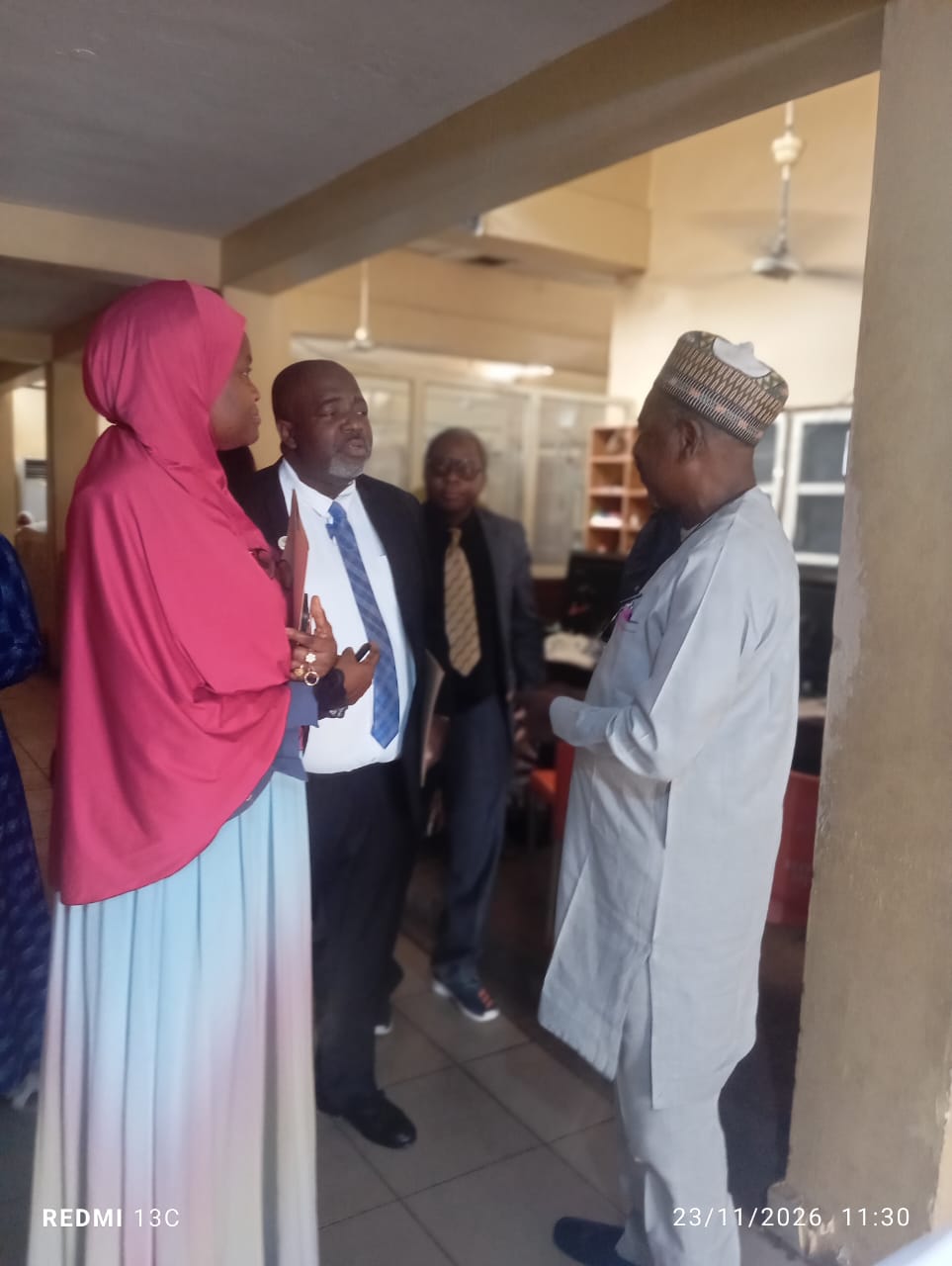
Board Chairman, Professor Muhammad Baba AbdulKadir (2nd right); KWASUTH CMD, Dr Bola Ahmed Abdulkadir (right) and a board member, Professor Khadija Olaide Raji (left) during the visit.
As Dr Abdulkadir reaffirmed, KWASUTH remains committed to providing quality healthcare, protecting patients’ rights and continually improving the services entrusted to it.
For residents of Kwara State and neighbouring communities, the expectation is straightforward: a teaching hospital that continues to grow, improve and put patients first.
Aliagan is Head, Corporate Affairs Department, KWASUTH.