


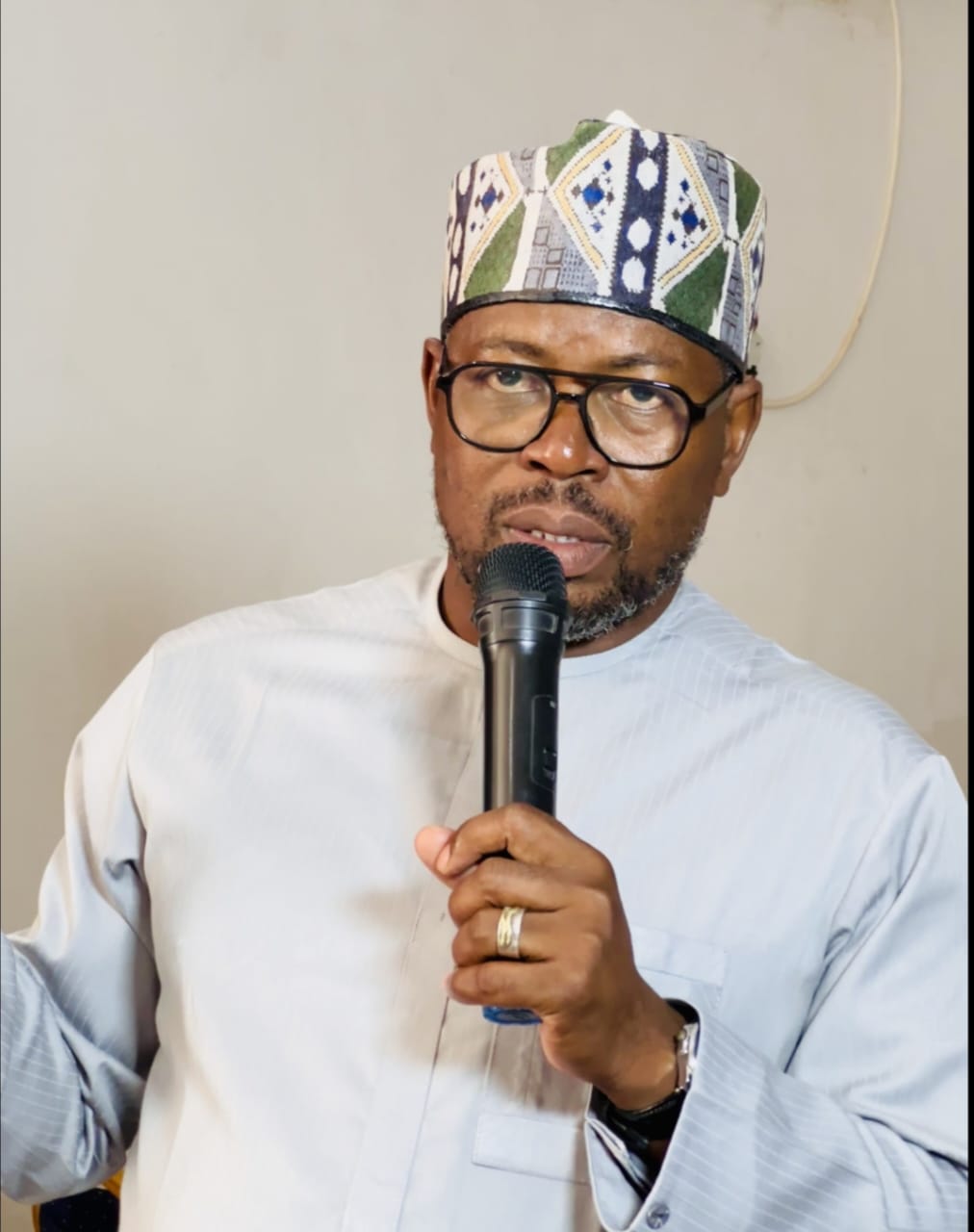
Country Representative, Faith and Freedom Africa, Mr Felix Joseph Samari making his remarks at the event in Bauchi.
Seventy-six stakeholders drawn from religious institutions, traditional authorities, academia, civil society, youth and women groups, and the media have called for intensified interfaith dialogue, peace education, responsible digital engagement, and stronger community partnerships as essential strategies for deepening freedom of religion or belief (FoRB) and sustaining peaceful coexistence in Nigeria.
The stakeholders made the call during a one-day Town Hall Meeting on Freedom of Religion or Belief organised by Faith and Freedom Africa (FFA) at Amak Hotel and Suites, Government Reserved Area (GRA), Bauchi.
The meeting, themed “Promoting Freedom, Peaceful Co-existence and Inclusive Communities in Nigeria,” forms part of FFA’s expanding grassroots campaign to strengthen religious tolerance, reduce faith-based tensions, and encourage inclusive community development across Northern Nigeria.
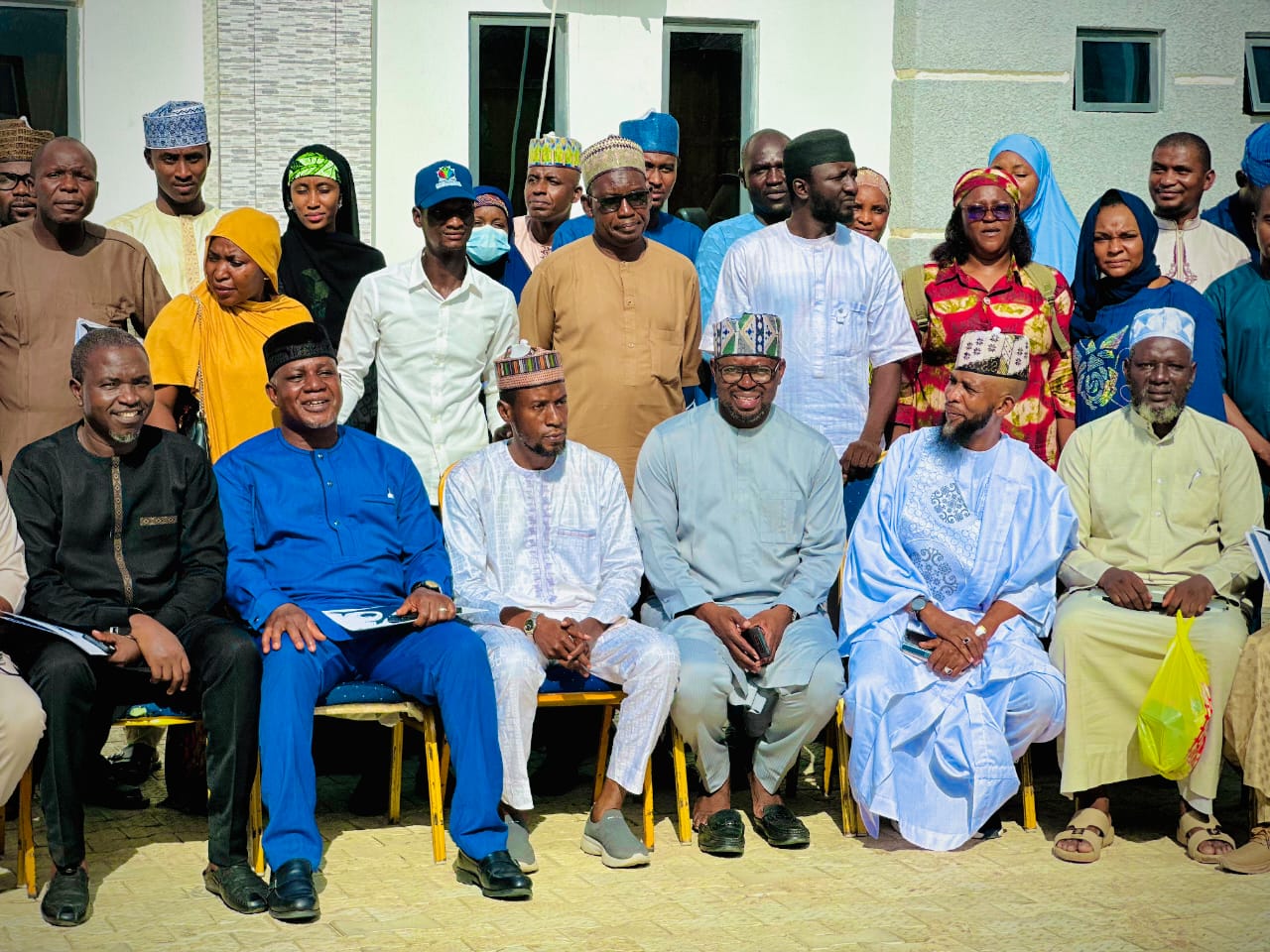
Participant at the event.
Over the past few years, Faith and Freedom Africa has emerged as one of the leading civil society organisations championing FoRB advocacy in Nigeria through community dialogue, institutional engagement, youth empowerment initiatives, campus sensitisation programmes, media advocacy, and strategic collaboration with traditional and religious leaders. The Bauchi Town Hall represents another milestone in the organisation’s sustained efforts to translate constitutional guarantees of religious freedom into practical realities at the community level.
Speaking at the opening session, the Country Representative of Faith and Freedom Africa, Mr. Felix Joseph Samari, reaffirmed the organisation’s commitment to promoting freedom of religion or belief through sustained grassroots engagement.
According to him, FFA has consistently organised FoRB Town Hall meetings across Northern Nigeria to deepen public understanding of the constitutional right to freedom of religion or belief while creating safe platforms for dialogue among diverse religious communities.
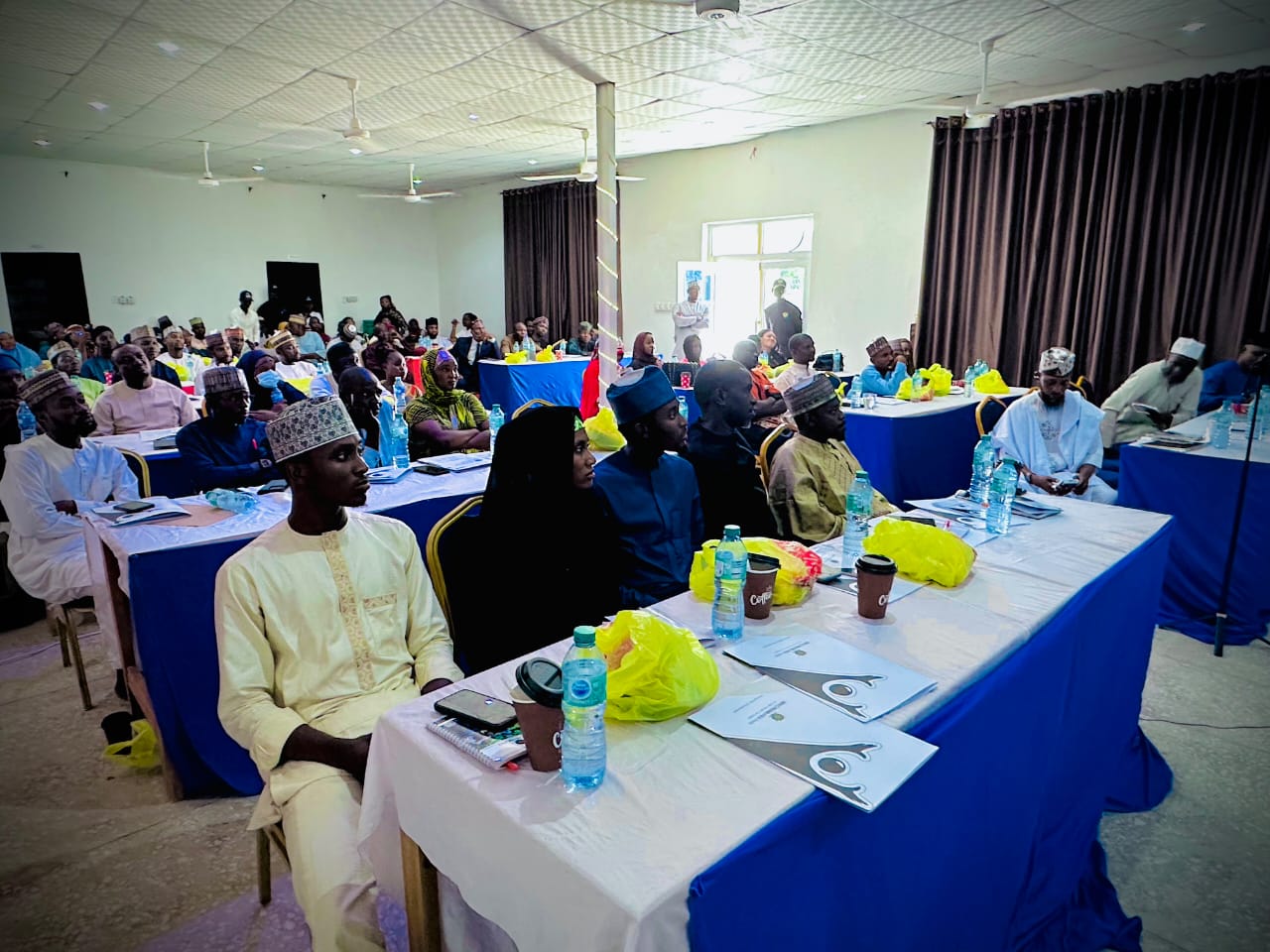
Cross-session of participants at Bauchi edition of freedom of Religion or Belief Campaign .
He explained that beyond the Town Hall engagements, the organisation has expanded its advocacy to tertiary institutions through campus awareness campaigns and youth-focused digital advocacy programmes designed to encourage responsible use of social media in promoting peace, tolerance, and religious freedom.
We are committed to this work of promoting freedom of religion or belief in Northern Nigeria and across the country. We can confidently say that we have found ourselves at the forefront of FoRB advocacy, not because we are doing more than others, but because we have remained consistent in working directly with communities. The Town Hall model has proven to be a very effective platform for building understanding and peaceful coexistence,”
— Felix JosephSamari
“We are committed to this work of promoting freedom of religion or belief in Northern Nigeria and across the country. We can confidently say that we have found ourselves at the forefront of FoRB advocacy, not because we are doing more than others, but because we have remained consistent in working directly with communities. The Town Hall model has proven to be a very effective platform for building understanding and peaceful coexistence,” Samari stated.
He further noted that advocacy visits to traditional rulers have become an important component of the organisation’s strategy, describing traditional institutions as indispensable partners in strengthening religious harmony and resolving community tensions.
We believe advocacy visits to traditional rulers are a major step in the right direction considering their historical and institutional relevance in matters relating to religion, culture and community leadership
“We believe advocacy visits to traditional rulers are a major step in the right direction considering their historical and institutional relevance in matters relating to religion, culture and community leadership,” he added.
The Town Hall also featured a keynote presentation by legal practitioner Barrister Abubakar Saeed, who examined the constitutional provisions protecting freedom of religion or belief and other fundamental human rights guaranteed under Nigerian law. His presentation provided participants with practical insights into the legal framework safeguarding religious liberty irrespective of faith, denomination or belief.
Participants subsequently engaged in panel discussions, group exercises and interactive dialogue sessions that examined the realities of FoRB in Bauchi State, identified existing challenges, and proposed practical, community-driven solutions for preventing religious conflicts and strengthening social cohesion.
At the conclusion of the meeting, participants unanimously adopted a communiqué containing 31 recommendations aimed at promoting religious harmony, preventing conflicts, and strengthening inclusive governance.
Among the recommendations were renewed commitment to respecting all religions and beliefs, institutionalising interfaith dialogue at community level, strengthening collaboration between religious and traditional leaders, promoting responsible use of social media, establishing early warning mechanisms for detecting religious tensions, integrating peace education into school curricula, encouraging joint community development initiatives, expanding youth engagement through sports and peace clubs, improving conflict resolution mechanisms, and enhancing government investment in peace and security.
The communiqué also called for the establishment of complaint hotlines for reporting violations of religious freedom, stricter enforcement against hate speech and drug abuse, wider civic education on responsible digital citizenship, stronger collaboration between communities and security agencies, and sustained dialogue anchored on mutual respect, tolerance and shared national values.
The participants pledged to serve as ambassadors of peace within their respective communities and reaffirmed their collective commitment to advancing religious freedom, peaceful coexistence, and inclusive community development.
For observers of Nigeria’s evolving interfaith landscape, the Bauchi Town Hall reinforces a growing consensus that protecting freedom of religion or belief requires more than constitutional guarantees. It demands sustained dialogue, inclusive leadership, active community participation, and continuous investment in peacebuilding initiatives capable of strengthening trust among Nigeria’s diverse religious and cultural communities.