


By Abdulrahman Aliagan,
At a time when misinformation, artificial intelligence, and digitally manufactured narratives are reshaping public discourse across the globe, the 2nd Faculty of Information and Communication Technology Lecture Series at Kwara State University emerged as a major intellectual intervention into one of the most pressing issues confronting contemporary society.
Held at the Mini Convocation Arena of the university in Malete, the lecture gathered leading academics, communication scholars, media executives, policymakers, regulators, students, and public intellectuals to interrogate the dangerous consequences of what scholars now describe as the “post-truth era” — a period in which emotion, propaganda, manipulated narratives, and algorithm-driven content increasingly overshadow facts, objectivity, and verified information.
Themed “The Post-Truth Paradigm in the Global South: A Critical Appraisal of Media Trust and Credibility amidst Bot-Driven Narratives and Generative AI Challenges in Nigeria,” the lecture became more than a routine academic gathering. It evolved into a forceful call for ethical communication, digital literacy, institutional responsibility, and societal vigilance in the age of artificial intelligence.
The event featured a distinguished lecture by renowned communication scholar and immediate past Vice-Chancellor of Federal University Kashere, Professor Umaru A. Pate, while the Vice-Chancellor of KWASU, Professor Shaykh Luqman Jimoh, and the Dean of the Faculty of ICT, Professor Isiaka Zubair Aliagan, delivered thought-provoking addresses that framed the urgency of the national and global conversation.
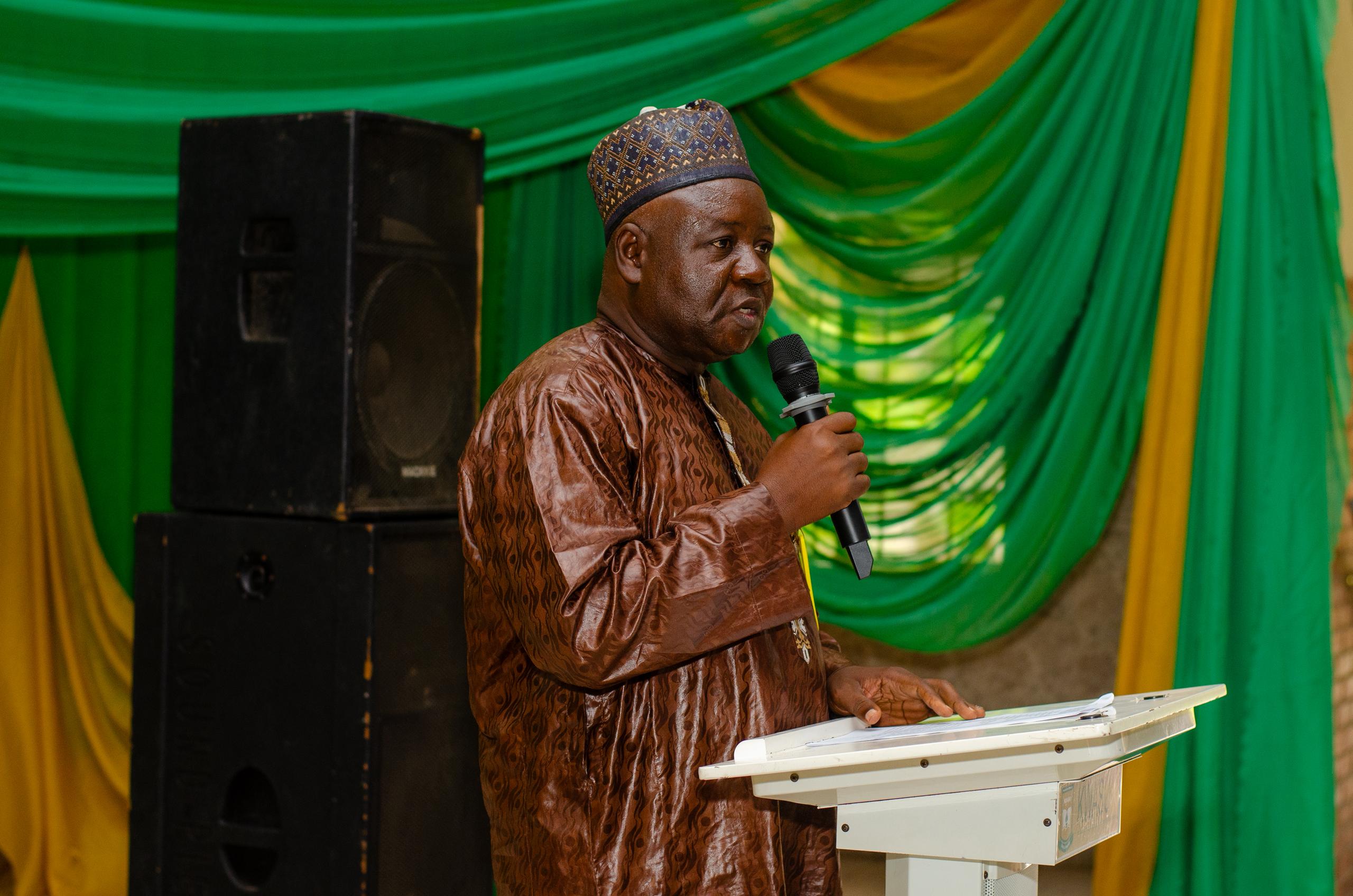
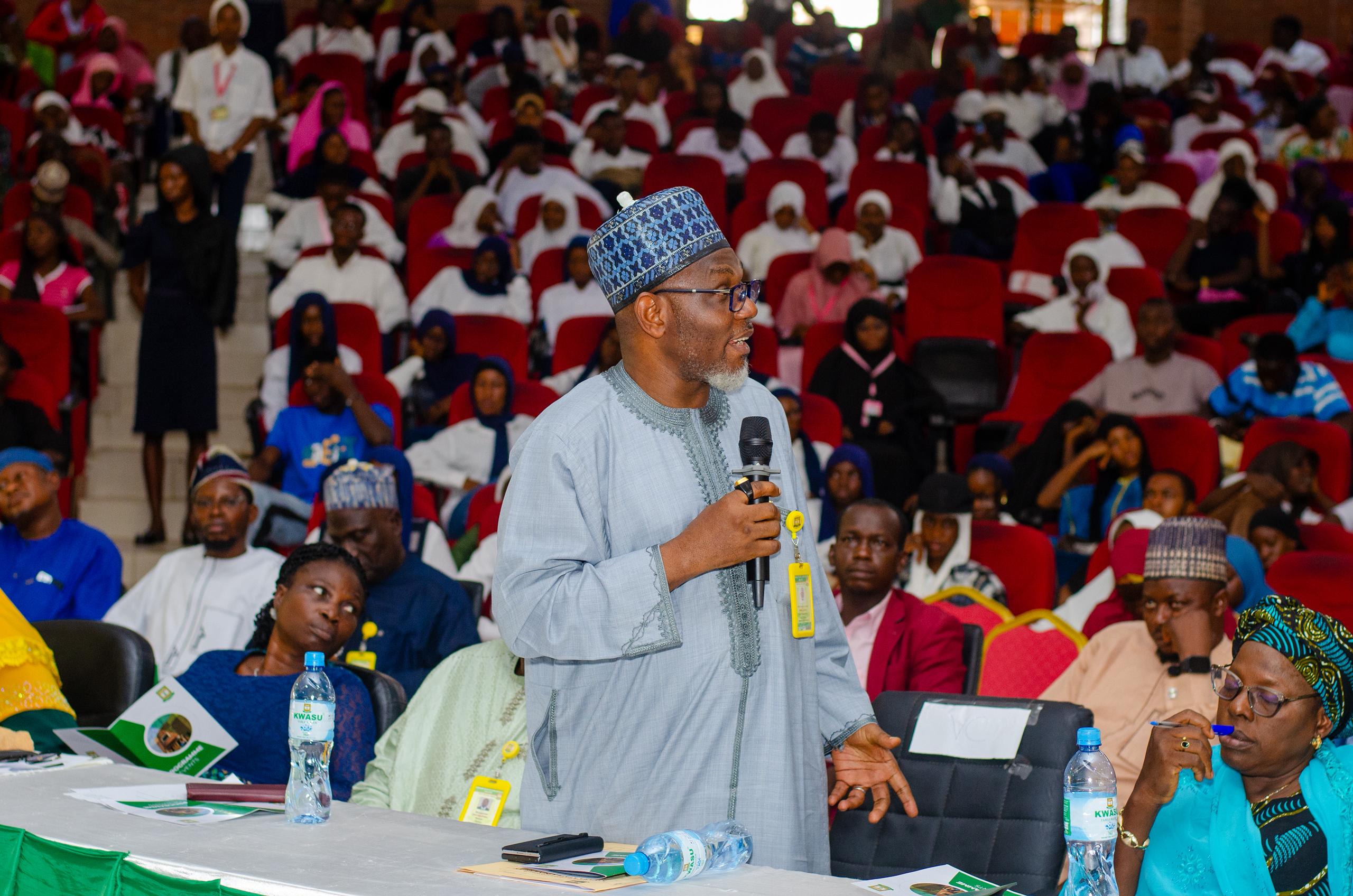
Prof. Isiaka Z. Aliagan, Dean, Faculty of ICT, KWASU, Molete, Kwara state.
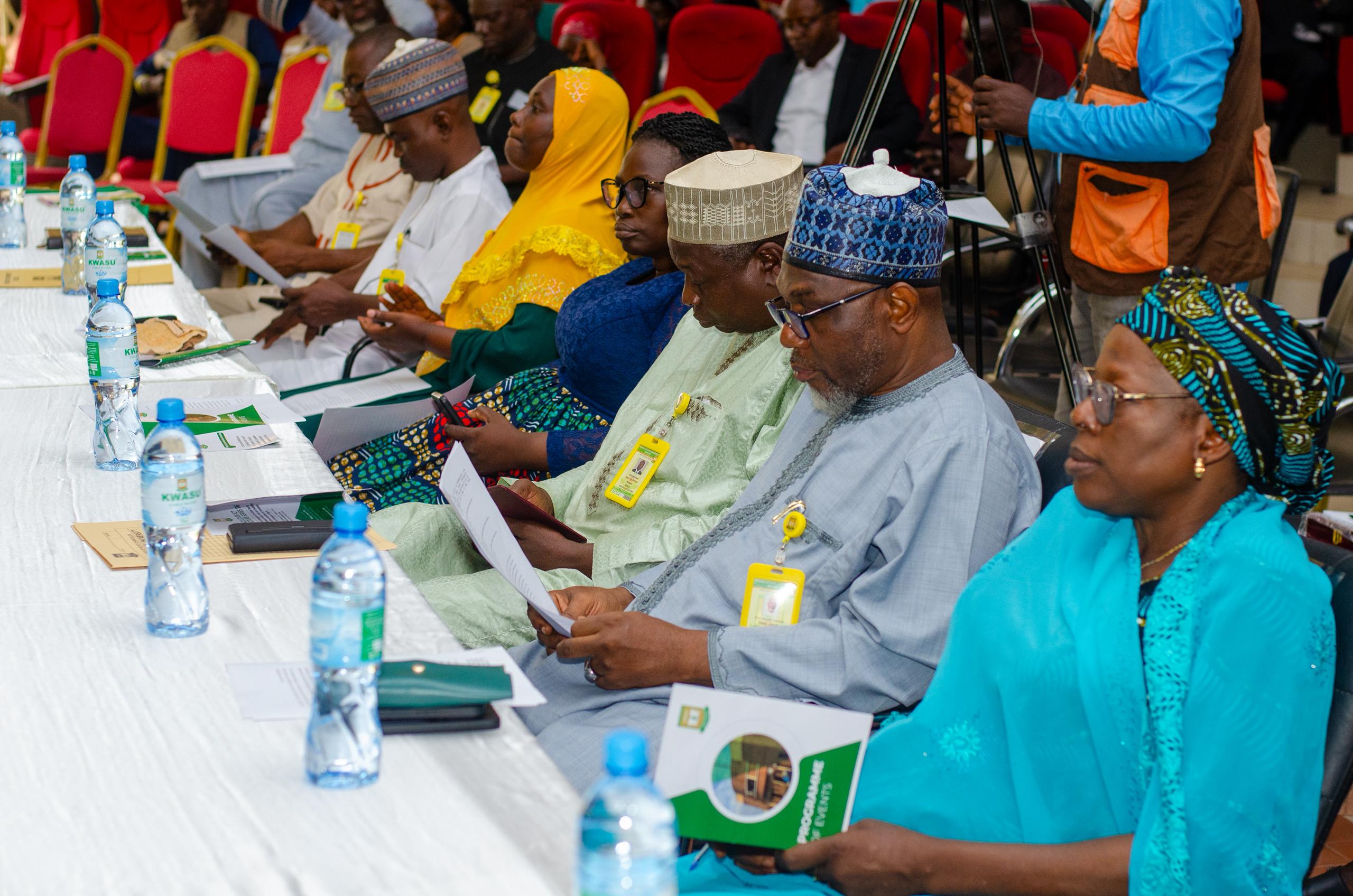
From the onset, the atmosphere reflected the seriousness of the theme. Academic leaders from sister universities, media practitioners, regulators, representatives of the Nigerian Union of Journalists, the Nigerian Institute of Public Relations, and other stakeholders converged to deliberate on the widening crisis of truth and credibility in the digital age.
In his address as Chief Host, Professor Shaykh Luqman Jimoh described the contemporary information ecosystem as one under siege by dangerous technological distortions capable of threatening democratic governance, social harmony, national security, and public trust.
The Vice-Chancellor warned that society has entered an era where truth is increasingly subordinate to emotional manipulation, ethnic sentiments, ideological persuasion, and algorithmically amplified falsehoods. According to him, the emergence of sophisticated bot networks and generative artificial intelligence has created unprecedented challenges for media institutions, governments, and citizens alike.
He noted that machine-generated misinformation now spreads at a speed and scale beyond the capacity of traditional fact-checking systems and media gatekeeping institutions to effectively contain.
“We are in the era described as post-truth,” he declared. “A defining moment in human civilisation in which objectivity is becoming alien to us and emphasis on emotion, ethnic or regional sentiments, and beliefs is shaping public discourse and public opinion.”
Professor Jimoh lamented that many citizens unknowingly consume and react to machine-fabricated narratives specifically designed to provoke anger, division, distrust, and hostility. He warned that AI-generated deepfakes and manipulated digital contents now constitute serious threats to interfaith harmony, public health, social cohesion, and democratic stability.
He stressed that universities and scholars must rise beyond passive observation and actively guide society through evidence-based engagement, ethical research, and public enlightenment.
“As academics who know how these technologies work,” he said, “we must draw the attention of government, lawmakers, and ordinary citizens to the dangers that bot-driven narratives and generative-AI contents constitute to our collective health, harmonious relationship, inter-faith cohesion and security.”
The Vice-Chancellor also used the occasion to announce a major institutional milestone. Recalling discussions at the maiden edition of the lecture series in 2025, which focused on ethical considerations surrounding artificial intelligence in education, Professor Jimoh disclosed that the Senate of the university had officially approved the Kwara State University Policy on Artificial Intelligence for staff and students.
The development, he explained, demonstrates the institution’s commitment to proactively regulating and responsibly integrating AI into teaching, learning, research, and assessment.
Observers at the event viewed the announcement as a significant step toward positioning KWASU among forward-looking African universities seeking to establish institutional frameworks for emerging technologies before their misuse deepens societal vulnerabilities.
The Dean of the Faculty of Information and Communication Technology, Professor Isiaka Zubair Aliagan, reinforced the Vice-Chancellor’s concerns in an address that painted a vivid picture of the rapidly deteriorating global information environment.
Describing the lecture series as one of the flagship intellectual platforms of the faculty, Professor Aliagan said the university deliberately chose the theme because of the increasing threat posed by misinformation, coordinated digital propaganda, and AI-generated manipulation.
According to him, digital technologies that were once celebrated as democratising tools for free expression are now increasingly weaponised for disinformation campaigns, fabricated narratives, and coordinated influence operations.
“Nigeria,” he observed, “as Africa’s most populous democracy and largest economy, finds itself at the centre of these challenges.”
The Dean highlighted several manifestations of the crisis, ranging from electoral misinformation and fabricated political narratives to fake religious messages, manipulated videos, public health disinformation, and AI-generated deepfake contents capable of inflaming tensions among different communities.
He warned that truth itself is increasingly struggling for legitimacy in a highly polarised media environment where falsehood spreads rapidly through digital platforms driven by algorithms designed primarily for engagement rather than accuracy.
Professor Aliagan stated that the Faculty of ICT remains committed to sustaining intellectual conversations around artificial intelligence and its implications for society, governance, media practice, and scholarship.
He praised Professor Umaru Pate as “an icon and pacesetter in communication studies in Nigeria and Africa,” noting that his presence at the lecture reflected a deep commitment to scholarship, intellectual mentorship, and public engagement.
Indeed, the citation presented in honour of Professor Pate captured the depth of his contributions to communication scholarship, media development, governance, and institutional leadership over several decades.
Widely acknowledged as one of Nigeria’s leading scholars in communication and development discourse, Professor Pate’s career has traversed academia, public policy, international development, and university administration.
The citation highlighted his transformative tenure as Vice-Chancellor of Federal University Kashere between 2021 and 2026, during which he reportedly spearheaded major institutional reforms, expanded academic programmes, mobilised strategic partnerships, and facilitated the establishment of a College of Medical Sciences with full regulatory approvals.
Before then, he had served as founding Dean of the Faculty of Communication at Bayero University Kano, where he led reforms that contributed significantly to the restructuring and unbundling of Mass Communication education into specialised disciplines in Nigeria.
The citation further noted his engagement with major international organisations and development institutions including UNESCO, the World Bank, Ford Foundation, and USAID, alongside scholarly and policy engagements spanning more than 70 countries.
As participants listened attentively inside the Mini Convocation Arena, it became increasingly evident that the lecture series represented more than an academic exercise. It reflected a growing recognition among Nigerian scholars and institutions that the battle for truth, credibility, and responsible communication may become one of the defining struggles of the twenty-first century.
Across the speeches delivered, a recurring concern emerged — that societies in the Global South, including Nigeria, remain especially vulnerable to digitally manipulated narratives because of weak regulatory frameworks, poor digital literacy, fragile media economies, political polarisation, and uneven technological awareness.
Yet, amid the concerns, the event also projected optimism.
Both the university leadership and the Faculty of ICT expressed confidence that universities still possess the intellectual capacity and moral responsibility to shape informed public understanding and contribute meaningfully to policy solutions.
Professor Jimoh reaffirmed KWASU’s commitment to supporting research, scholarship, and public service initiatives capable of addressing contemporary societal challenges. He pledged continued institutional backing for the Faculty of ICT and other faculties in advancing the university’s mission of academic excellence, innovation, and community development.
Similarly, Professor Aliagan challenged scholars, students, media professionals, and policymakers to engage critically with the ideas emerging from the lecture and contribute to safeguarding the integrity of public discourse.
“The health of our democracy, the credibility of our media institutions, and the integrity of our public discourse,” he warned, “may well depend on the quality of the answers we provide to the questions that this lecture raises.”
As the event drew to a close, participants left with a deeper awareness of the urgent need for stronger ethical frameworks, digital literacy campaigns, institutional regulation, and interdisciplinary collaboration in confronting the growing crisis of misinformation and AI-driven manipulation.
For many observers, the significance of the lecture extended beyond the walls of Kwara State University. It reflected the emergence of Nigerian universities as critical sites for confronting the ethical, political, and social implications of artificial intelligence and digital communication technologies in Africa.
In an age increasingly dominated by algorithms, bots, synthetic media, and manufactured outrage, the 2nd Faculty of ICT Lecture Series at KWASU offered a timely reminder that the defence of truth, credibility, and responsible communication remains one of the most important responsibilities of academia and society alike.