


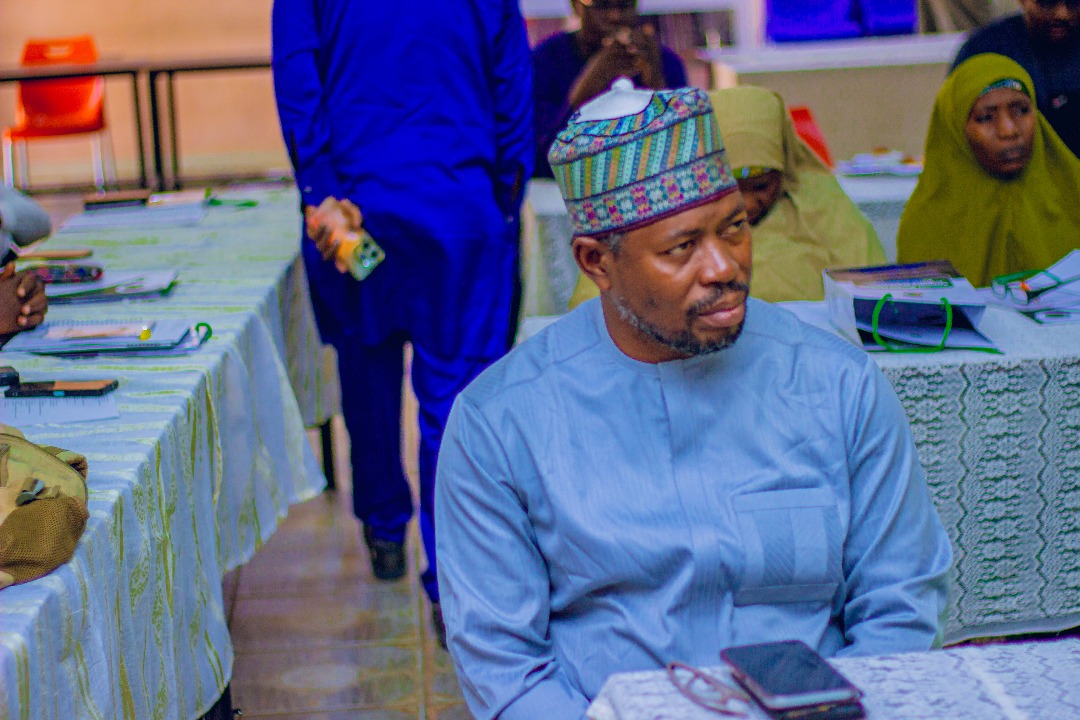
Faith and Freedom Africa’s Country Representative, Mr Felix Joseph Samari at the Gombe event
By Abdulrahman Aliagan,
In a nation as diverse as Nigeria, where faith influences daily life, community identity, and national politics, ensuring that every person can freely believe — or choose not to — is more than a constitutional promise. It is a cornerstone of peace. That conviction is driving an ambitious national initiative led by Faith and Freedom Africa (FFA), as it works tirelessly to promote the universal right known as Freedom of Religion or Belief (FoRB).
This effort reached another milestone in Gombe recently, where Faith and Freedom Africa hosted a Town Hall Meeting bringing together 46 carefully selected voices from across the society. Government representatives sat alongside legal practitioners; imams and pastors shared reflections with traditional rulers, women advocates, and youth activists — all united by a shared commitment to build a more peaceful Nigeria.
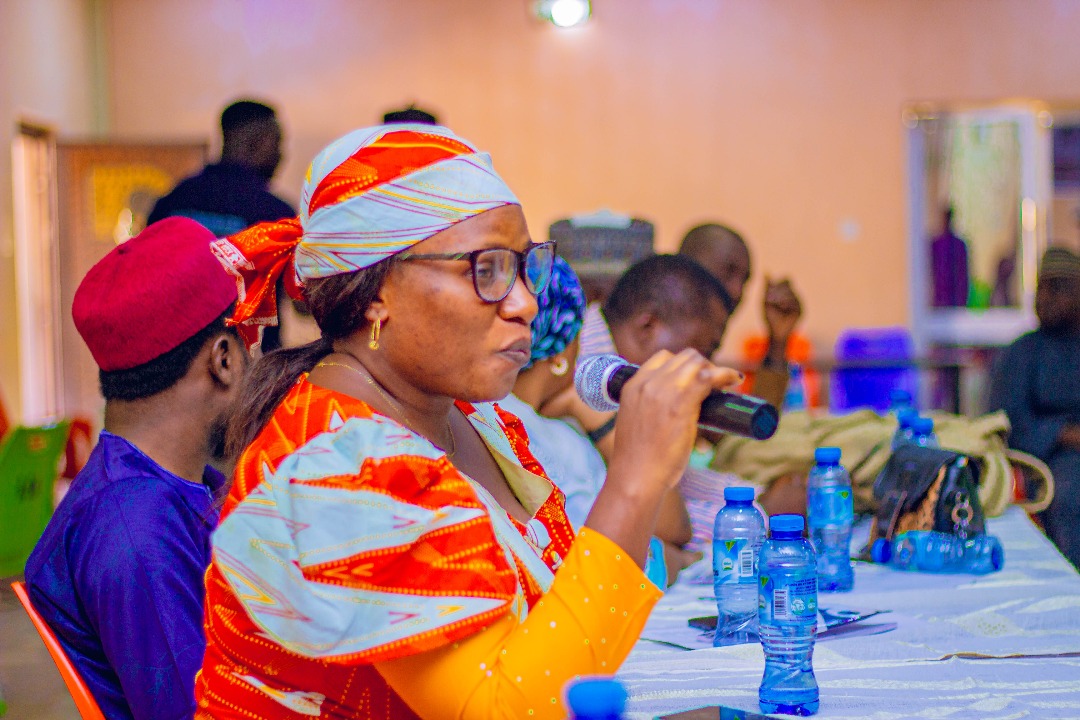
Participants making contributions during Gombe Town Hall Meeting recently.
Welcoming participants, the Country Representative of Faith and Freedom Africa, Felix Samari, delivered a resonant message: FoRB is not a privilege that may be extended to a few, but an inherent, non-negotiable right accorded to every citizen. Rooted in international treaties, reinforced by regional frameworks, and enshrined in Section 38 of the Nigerian Constitution, the right protects individuals in matters of conscience, worship, and belief — shielding them against discrimination, intimidation, or coercion.
Samari reminded the audience that when this right flourishes, communities prosper, trust expands, and societies advance. But when it is suppressed, the outcomes are clear and dangerous — divisions deepen, anxieties rise, and people become vulnerable to manipulation by those who exploit faith for political gain. The gathering, he said, was not merely another seminar, but a civic responsibility: to learn, to question, and to act in defense of every citizen’s humanity.
The Gombe Town Hall Meeting unfolded as part of a broader national project undertaken by Faith and Freedom Africa — a movement sweeping across different geopolitical zones. Before arriving in Gombe, the organisation convened influential engagements in Jalingo, Kaduna, and Makurdi, where community leaders and grassroots actors grappled with real challenges threatening religious harmony. Just recently in Abuja, Christian and Muslim leaders held joint forums at the National Mosque and the National Ecumenical Centre — two symbolic structures that reflect the soul of Nigeria. Those gatherings cemented the notion that the endurance of the nation’s unity rests heavily on how its faith communities relate with one another.
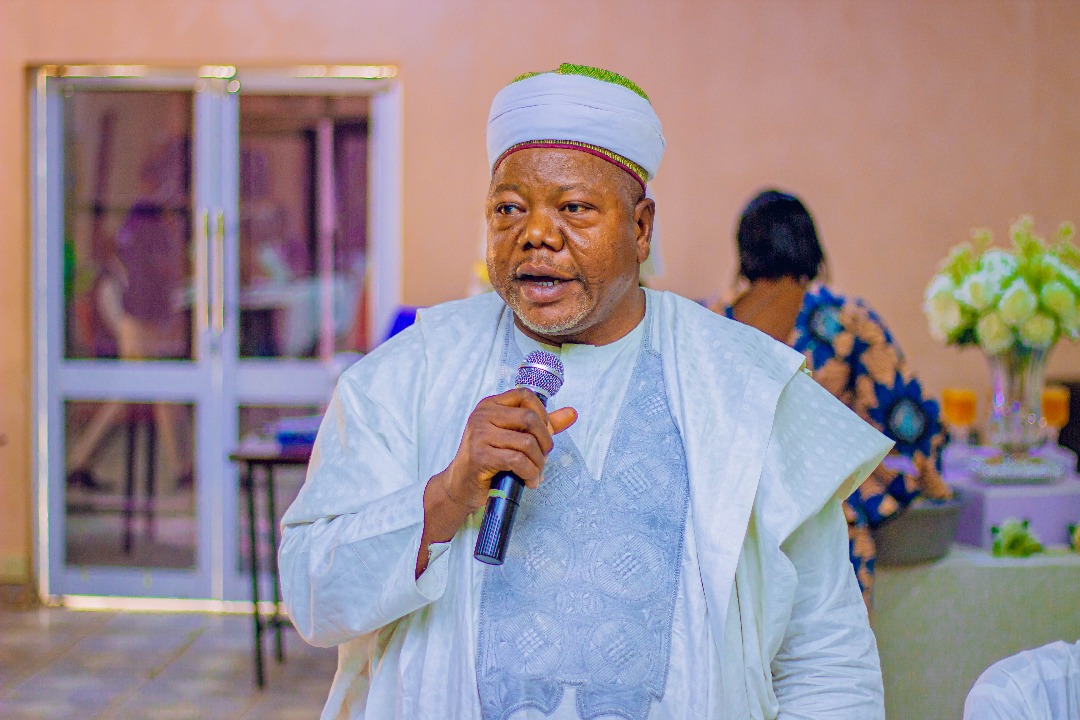
One of the Islamic scholars making his own remarks during the Town Hall Meeting in Gombe.
Discussions in Gombe exposed ongoing tensions that still linger at the grassroots level. Participants spoke of the subtle rise of mistrust between religious neighbours, misinformation amplified through social spaces, and the careless use of inflammatory rhetoric by individuals claiming leadership roles. The consensus across denominations was clear: peace cannot survive where voices of intolerance are left unchecked.
Throughout the session, one key theme persisted — the moral authority of religious and traditional leaders. Faith shapes behaviour. Sermons influence attitudes. Leaders who preach peace serve as anchors of stability in times of uncertainty, while those who weaponize belief can trigger unrest with a single message. The meeting therefore challenged clerics and community figures to guide their followers toward moderation, respect, and a humanity-first mindset. Homes, schools, and pulpits must become spaces where diversity is embraced — not feared.
Participants also emphasized that knowledge gained at the Town Hall must not remain confined to conference halls. They pledged to take the message into classrooms, marketplaces, neighbourhood associations, and rural communities that rarely feature in elite policy debates but carry the weight of Nigeria’s peace on their shoulders. Real change, they agreed, must begin where tensions are born — at the grassroots.
Amid these commitments, a strong call was issued to government. Peace requires institutional protection. When FoRB violations occur — whether through unequal access to rights, harassment, or discrimination — the state must act swiftly and fairly. Leaders insisted that government at all tiers must do more to uphold the constitution, guarantee safety for all religious groups, and actively prevent the escalation of disputes that could threaten stability.
For Faith and Freedom Africa, the work is far from done. The organisation reaffirmed its mission to nurture a culture where people of every creed or conviction enjoy dignity, justice, and respect. Its programming continues to expand, building bridges where suspicion once stood and deepening dialogue among communities that too often speak past each other.
In a country where belief is deeply personal yet inherently communal, Freedom of Religion or Belief is more than a human rights principle — it is a peace strategy. And as this movement gains momentum from the streets of Gombe to the halls of national power in Abuja, one truth becomes increasingly evident: Nigeria’s future depends on how well its people learn to live together, believe freely, and protect the rights that bind them as one nation under God — and under law.
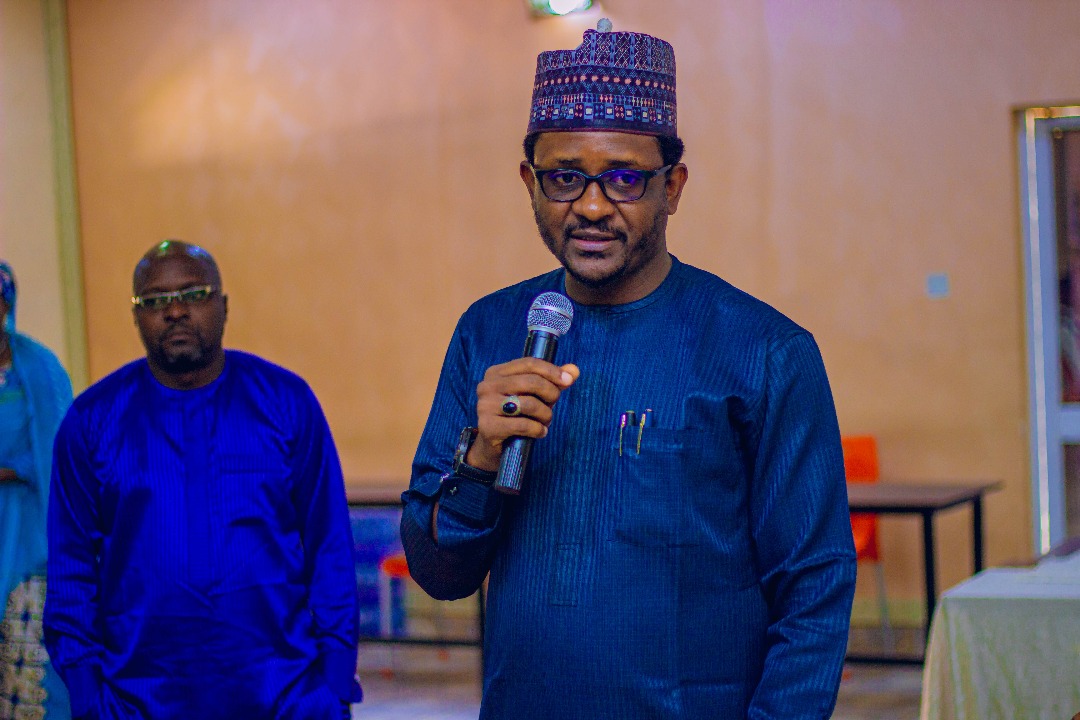
Another participant giving his own perception at the Gombe Town Hall Meeting
Faith and Freedom Africa’s journey continues. And with each conversation, each community meeting, and each commitment to harmony, Nigeria takes one step closer to becoming not only a land of many faiths — but a home where every belief can thrive.